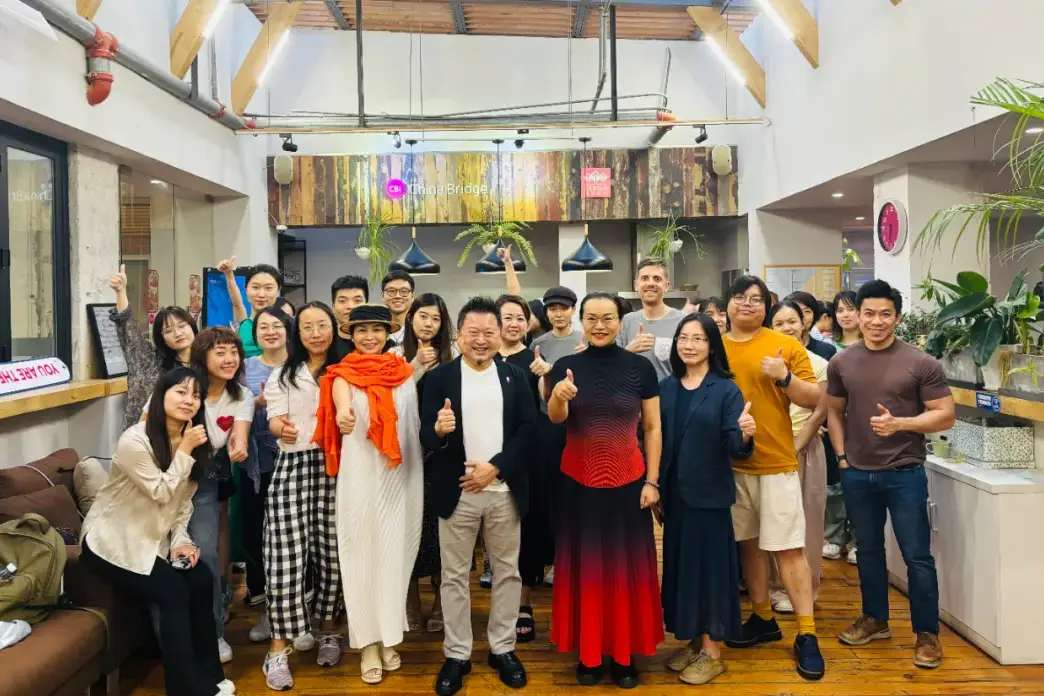
Recently, the global design spotlight was fixed on the Huangpu Riverside in Shanghai.
On September 26, amidst great anticipation from both sides of the Huangpu River, the 2023 World Design Cities Conference (WDCC2023) officially kicked off under the theme “Design Without Boundaries, Creativity Without Limits.” This global design extravaganza once again showcased cutting-edge innovations, new products, and business models from around the world.
The conference, hosted by the Shanghai Municipal Government with support from UNESCO and the Chinese National Commission for UNESCO, aims to serve as a global platform for design cooperation and exchange, explore design-driven pathways to high-quality development, and promote the integration of design into all aspects of urban life. Its goal is to establish Shanghai as a world-class hub for design innovation, trendsetting, and product debuts.

On the opening day, Chen Jining, Secretary of the Shanghai Municipal Committee, attended the ceremony and inaugurated the 2023 World Design Cities Conference. Keynote speeches were delivered by Gong Zheng, Deputy Secretary of the Shanghai Municipal Committee and Mayor of Shanghai; Weng Tiehui, Vice Minister of Education; and Xu Xiaolan, Vice Minister of Industry and Information Technology. Ernesto Ramirez, Assistant Director-General of UNESCO, also addressed the conference via video message.
Other attendees included municipal leaders, representatives from consulates, industry organizations, academic institutions, leading enterprises, and renowned designers from across China and abroad.
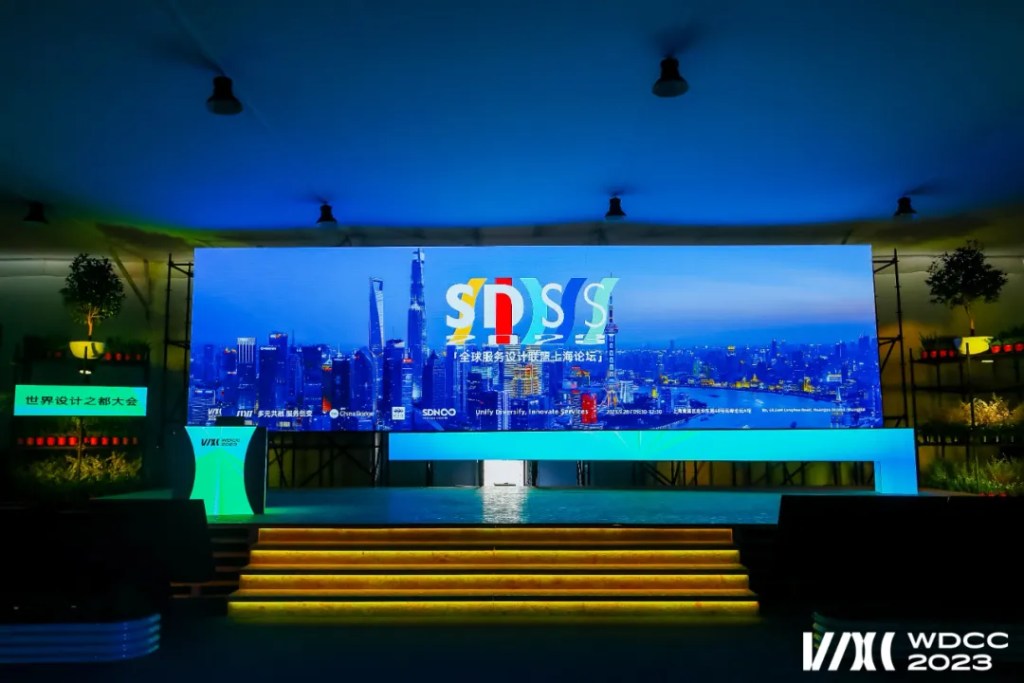
On the morning of September 28, the 2023 Global Service Design Network Shanghai Forum (SDSS2023), one of the WDCC2023 summit forums, concluded successfully.
Organized by CBi China Bridge, the forum themed “Diversity and Inclusion: Driving Innovation Through Service Design” provided a strategic and cross-industry perspective on service design. It examined the value of service design for the future of business and society, with a mission to foster global collaboration in service design, promote theoretical research, enable practical implementation, and advance the industry.
01. Service Design: Invisible, Yet Everywhere
For many, service design may still be an unfamiliar concept. Yet, during this conference, the user experiences embedded in the pre-, mid-, and post-event journey reflect the essence of service design—seamlessly integrated into every aspect of life.
In her opening remarks, Chen Wenshan, Director of Urban Industry at the Shanghai Municipal Commission of Economy and Informatization, noted:
“Among many fields, service design is the least visible yet most pervasive.”
Service design is widely applied in industries such as healthcare, hospitality, experiential retail, and urban complexes, delivering human-centered care and personalized experiences while fostering vibrant cultural atmospheres.
Originating in the United States in 1982, service design has evolved for decades, thriving in countries like the UK, Italy, Germany, and the US. However, in China, it remains a nascent and niche discipline.
With China’s tertiary industry (modern service economy) now contributing 52.8% of GDP, service design represents both an opportunity and a challenge.
Service design, as a multidisciplinary methodology, focuses on the intangible aspects of consumer scenarios to create “invisible value.” It redefines service processes, optimizes experiences, and holds immense potential for driving growth in China’s service-oriented economy.
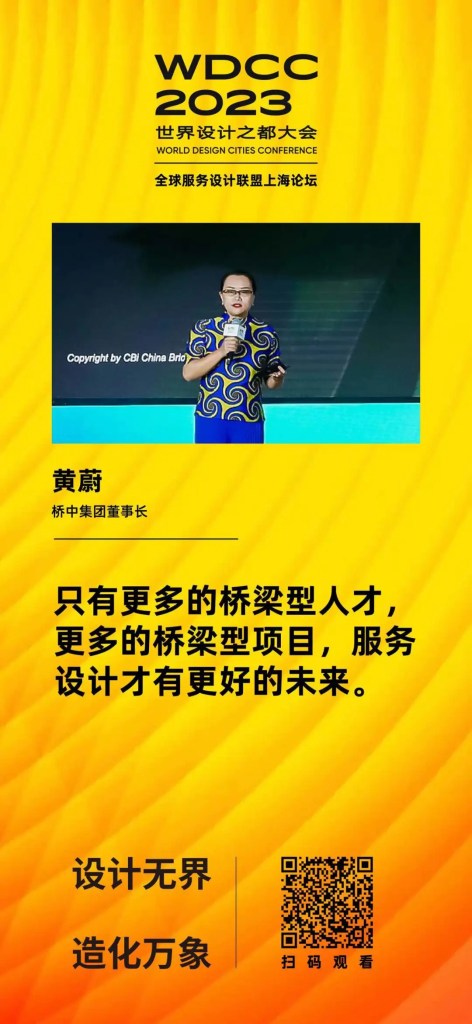
Cathy Huang, Chair of SDN Shanghai and CEO of CBi China Bridge, remarked:
“Service design, which originated in the West, is now flourishing in China.”
Huang emphasized the transformative power of service design in fostering industry innovation, highlighting its role in China’s shift from “Made in China” to “Created in China.” With its vast market, China provides fertile ground for service design to develop a unique trajectory, paving the way for new economic growth.


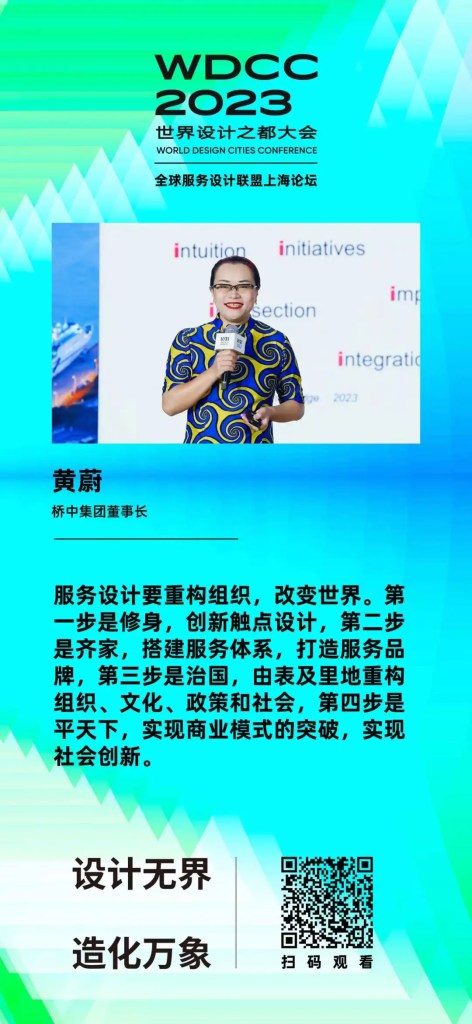
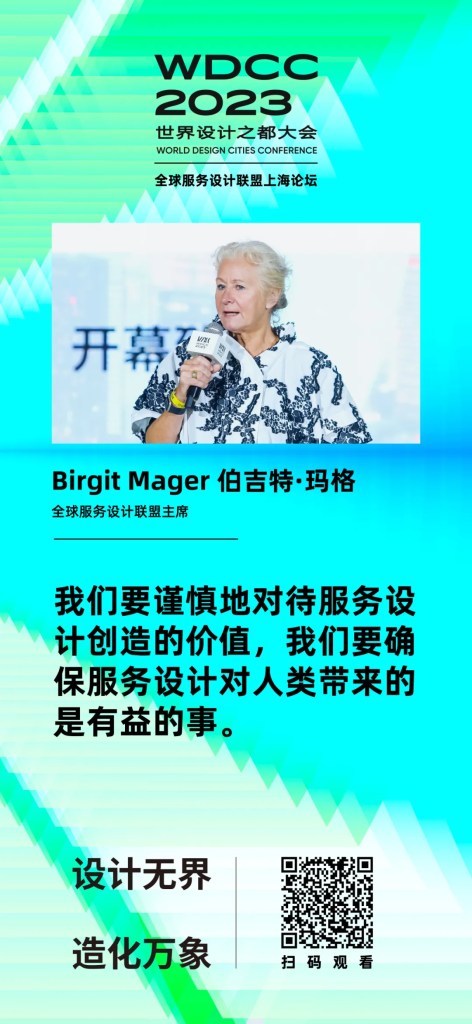

 From left to right: Birgit Mager, Don Norman, and Rudy Wimmer, Visiting Professor at NYU Shanghai. Due to the global shutdown caused by the pandemic, Mager and Norman shared the stage to receive their awards in 2021. This forum marks their first reunion since their accolades.
02. A Soft Infrastructure for Society: Enabling Urban Green Development
Beyond business, service design also serves as the “soft infrastructure” that drives societal operations. It offers immense possibilities for urban renewal, social innovation, and public services.
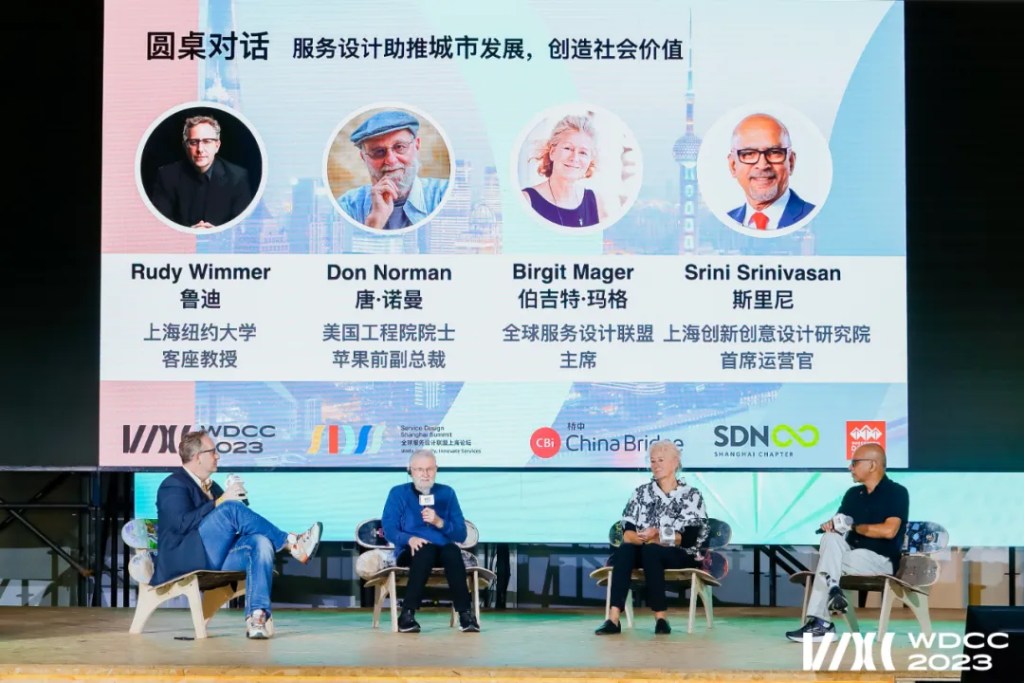
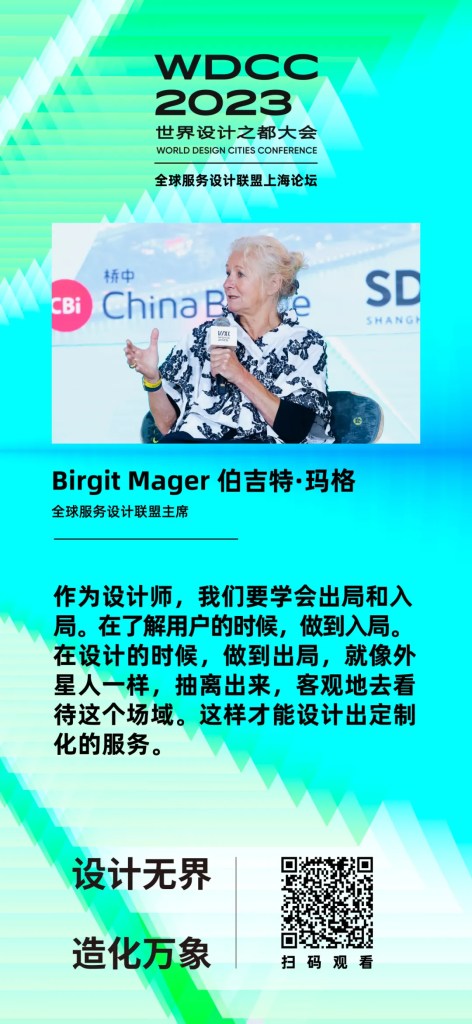
During a roundtable discussion, thought leaders including Don Norman (National Academy of Engineering member and former VP at Apple), Birgit Mager (SDN President), Srini Srinivasan (former WDO President), and Rudy Wimmer (Shanghai NYU Visiting Professor) explored how service design can contribute to urban development and societal value creation.
The panel delved into global perspectives and local innovations, examining how service design fosters cost-efficiency, enhances social and economic value, and enables cities to transition toward sustainable, green development.
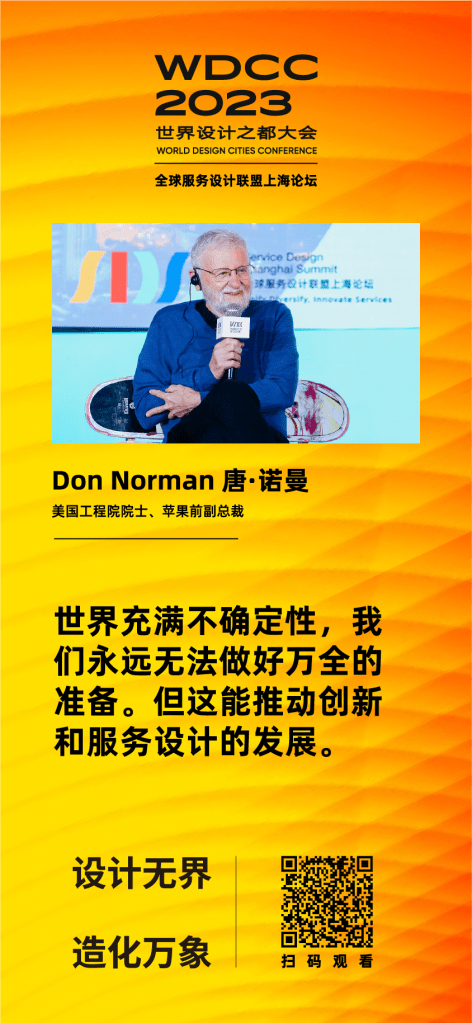
Norman inspired the audience with his vision:
“The best way to predict the future is to create it. And service design is the future.”



03. Bridging Talent Gaps with Dual Accreditation
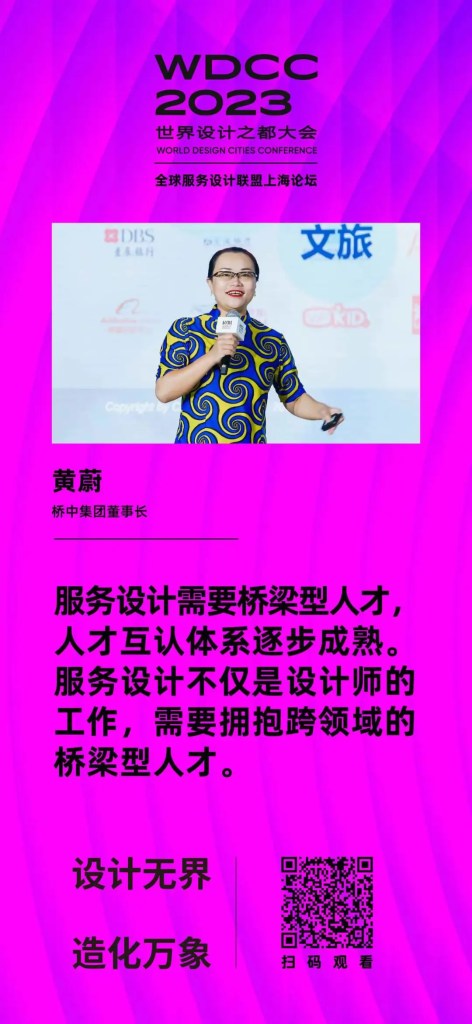
Talent development is the foundation of industrial progress. However, the scarcity of service design professionals presents a significant challenge.
In 2020, service design was included in Shanghai’s Key Talent Development Directory for Strategic Industries. Despite its introduction into advanced academic institutions, the demand far exceeds the supply.
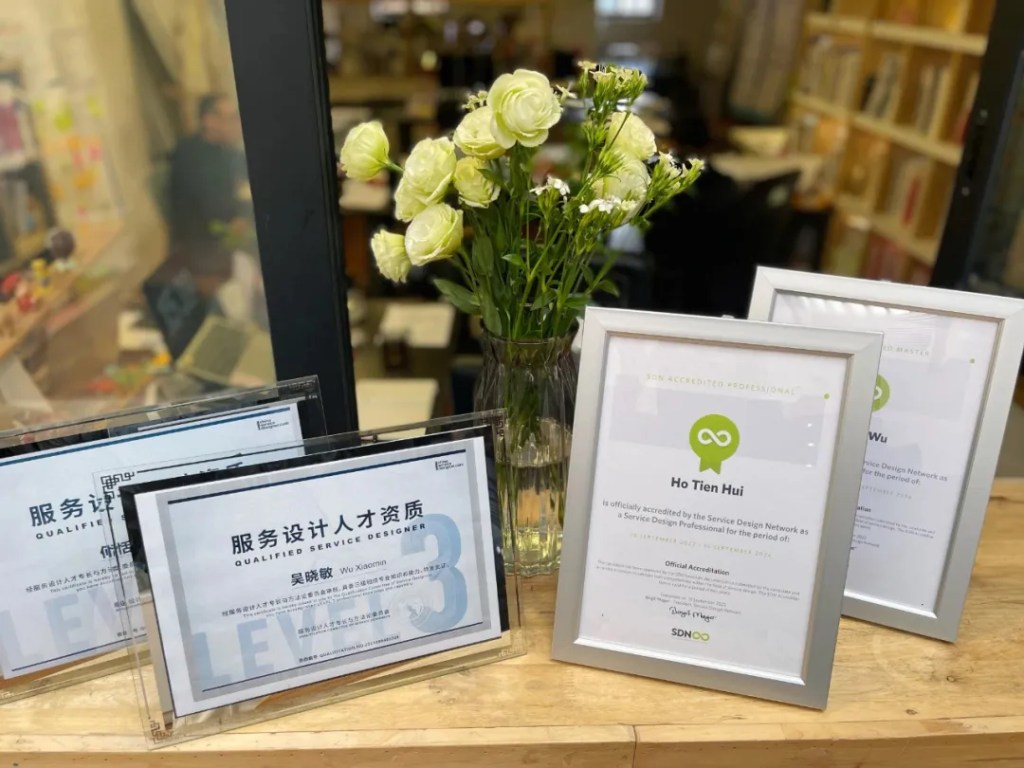
The China Service Designer (CSD) certification, developed by CBi China Bridge, has partnered with SDN’s Accreditation Program. This collaboration created the world’s first dual-accreditation system for service designers, providing a unified standard for global and domestic talent recognition.
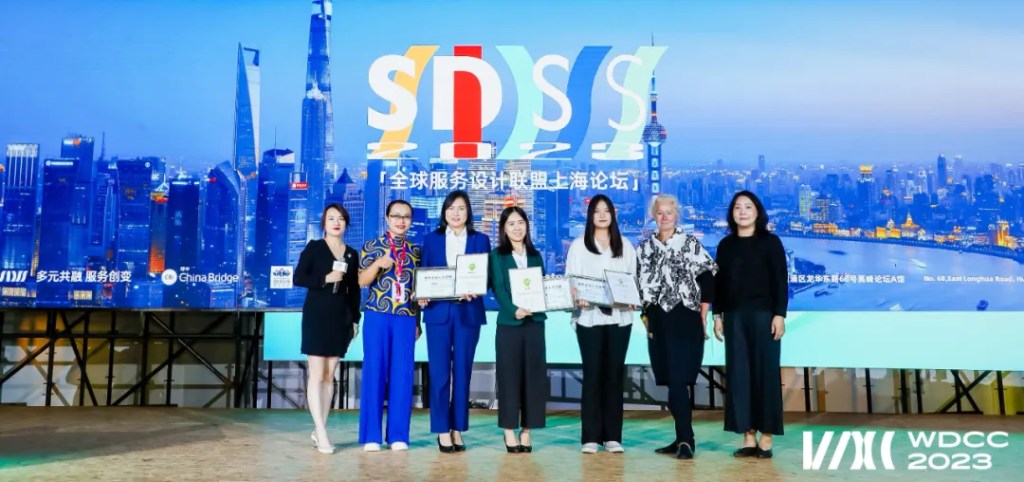
The forum hosted the second Dual Accreditation Certificate Ceremony, with SDN Chair Birgit Mager and Cathy Huang among the key presenters. So far, the program has certified professionals from top enterprises such as Zeiss, Bosch, Huawei, and New World Development, bridging industries and fostering innovation.

04. Transforming Industries with New Business Thinking
Speakers from leading organizations demonstrated how service design empowers industries to meet the evolving needs of the service economy.
1. Creating Value in Healthcare
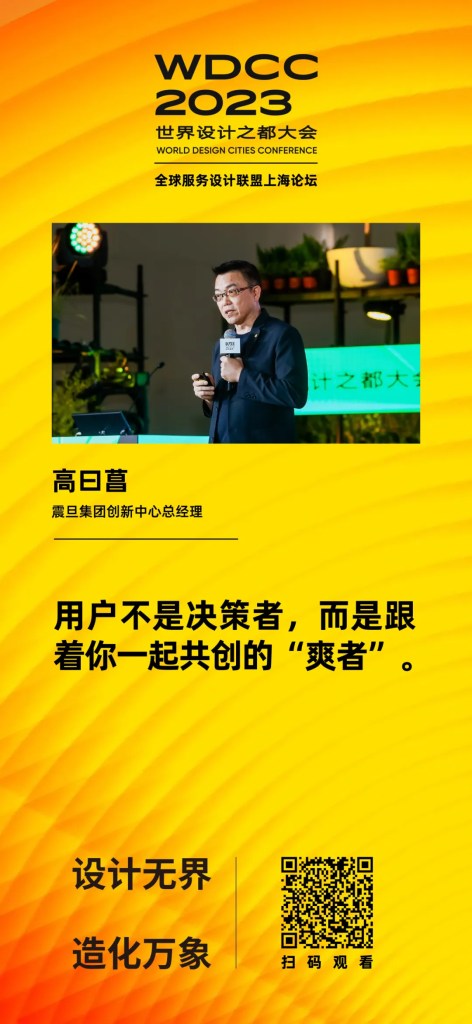
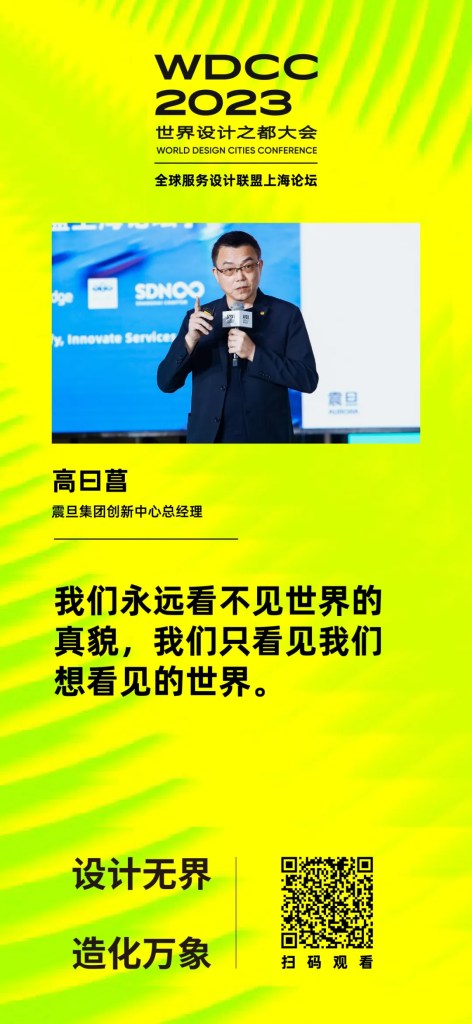
Gao Yuechang, Head of Innovation at AURORA Group, shared insights on designing user-centered healthcare experiences, highlighting innovations in digital touchpoints and product journeys.
2. Revitalizing Hotel Branding
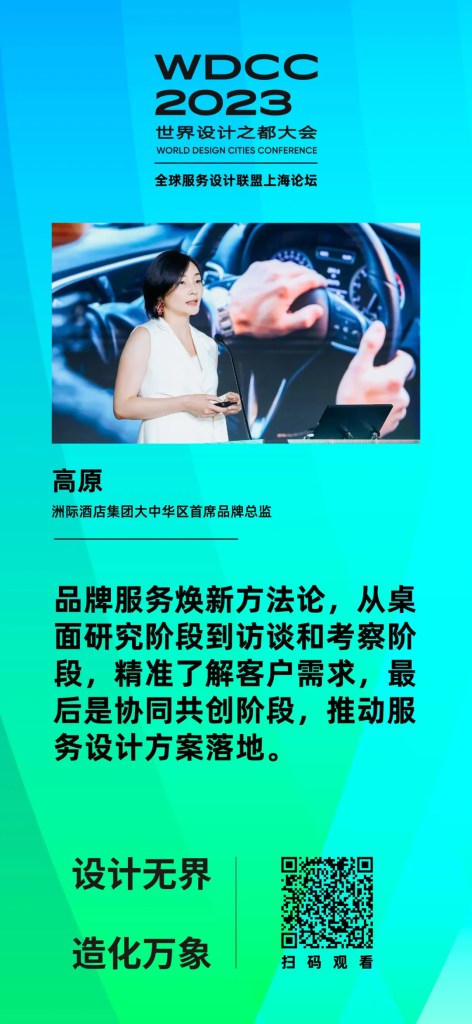
Gao Yuan, CMO of IHG Greater China, discussed how service design transformed guest experiences by blending traditional Chinese aesthetics with modern hospitality.
3. Enhancing Gaming Retail Experiences
Huang Shengjie, Director at ASUS Shanghai Design Center, illustrated how service design methodologies elevated ROG’s gaming retail experiences to meet the demands of esports enthusiasts.
4. Activating Creative Workspaces
Lu Xin, Innovation Director at D-BEES Group, shared the company’s vision of evolving office spaces into platforms for collaborative value creation.


05. Dual Wings in Harmony: Elevating Organizations Through Transformation
An increasing number of industries have embraced service design, but relying solely on front-end user experience revamps is unlikely to yield long-lasting sustainable impact.
True service innovation can only emerge through the reconfiguration of processes, organizational structures, and ecosystems, fostering a people-centric organizational culture and service-innovation-friendly frameworks. By bridging the front, middle, and back offices, organizations can drive transformative change. End-to-end user experiences combined with inside-out organizational transformation resemble the dual wings of an airplane: both must be robust to power an industry revolution and soar against the winds.
With this in mind, three experts in organizational innovation explored how redesigning processes, touchpoints, and ecosystems can yield systemic solutions and resilient organizational structures.
01. Crafting Workplace Solutions for Gen Z
The topic of “Gen Z shaking up workplaces” has recently stirred heated discussions. As a fresh and dynamic force in the workforce, Gen Z is injecting new energy into professional environments, prompting changes across industries. For corporate facility services, this generational shift signals a need for transformation.
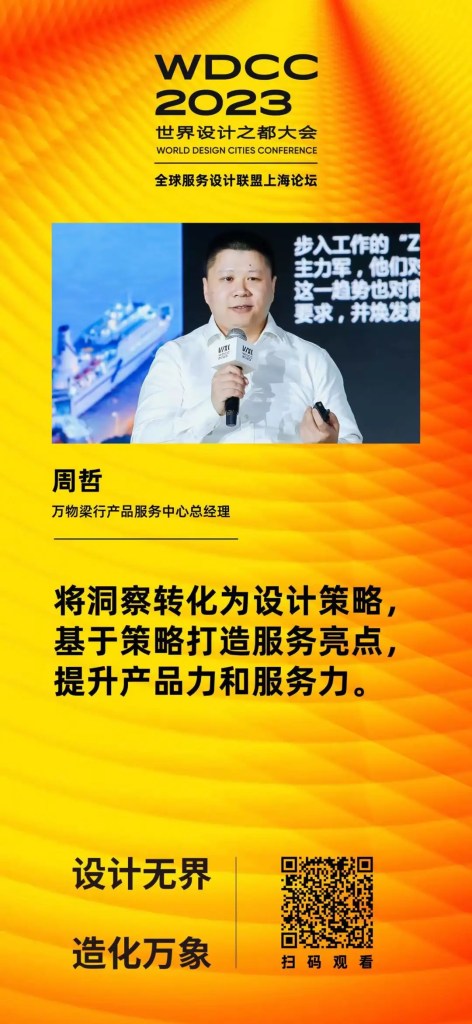
Zhou Zhe, General Manager of Product and Service Center at Vanke Service Liangxing, shared insights into tailoring workplace strategies for Gen Z using service design thinking.
By translating insights into service design strategies and crafting user-centric highlights, Facility Management (FM) evolves from simple operations to Feeling Moments (FM)—emotionally resonant service touchpoints. Transitioning from pure infrastructure management to emotional value delivery, service design addresses Gen Z’s unique workplace needs.

02. Driving Organizational Innovation
Service design’s people-centered ethos applies not just to external users but also to internal employees. In recent years, employee experience has emerged as a focal point in human resource discussions.
Xiao Hong Li, Executive Vice President of Human Resources for Bosch China and Asia-Pacific, emphasized that “great experiences are designed.” She delved into how service design methodologies can transform employee experience and serve as a catalyst for organizational innovation.


03. Empowering Teams for Second-Curve Growth
In both industries and value chains, people are the decisive factor.
Xiaowen Lü, National Head of Complete Eyewear Sales at Carl Zeiss Vision, highlighted that talent limitations and boundary constraints often lead to vast disparities in product development. She demonstrated how service design could support talent cultivation, drive industry-leading innovation, and empower new business models, enabling organizations to achieve second-curve growth.


Merging Service and Innovation for a Brighter Future
This forum seamlessly integrated service and innovation, offering discussions from industry leaders on cutting-edge perspectives, global viewpoints, and social innovation. It provided a platform for exploring how service design can empower the service economy’s high-quality development, promote sustainable urban construction, and enable organizational transformation.
As the 2023 Global Service Design Shanghai Forum (SDSS2023) concluded on Shanghai’s Huangpu Riverside, participants left with renewed insights and aspirations for the field. We eagerly anticipate the 2024 Global Service Design Shanghai Forum!

Looking Ahead: Bridging Global and Local Design for a Thriving Future
CBi China Bridge remains committed to leveraging service design innovation methods to enable businesses to achieve organizational transformation. We will continue enhancing the dual accreditation service design talent system, fostering connections between global and Chinese service design resources.
By empowering Shanghai’s design capabilities and using service design to guide national progress, we aim to advance the service design industry and fulfill our role as a model enterprise in Shanghai—a hub of design, technology, and creative industries.