Recently, the global design community once again turned its attention to the bustling shores of Shanghai’s Huangpu River. On September 30, the 2024 World Design Cities Conference (WDCC2024) concluded with resounding success at the Urban Best Practices Area of the Expo site.
This year’s conference, themed “Design Without Boundaries, Emerging Growth”, aimed to establish a global platform for design collaboration, explore design-driven pathways for innovative growth, and foster a city where every facet of life reflects thoughtful design.

WDCC2024 not only serves as a milestone for Shanghai’s ambition to become a world-class “Design City” but also underscores China’s leading role in global design innovation. Jointly organized by UNESCO and the Shanghai Municipal Government, with co-hosting by the Shanghai Headquarters of China Media Group and other key organizations, the conference featured a grand opening attended by Shen Haixiong, Vice Minister of Publicity and Director of China Media Group, and Gong Zheng, Deputy Secretary of the Shanghai Municipal Party Committee and Mayor of Shanghai, adding a festive atmosphere to the occasion.
On September 29, one of the five professional forums of WDCC2024—the XaaS & SDSS Service Innovation International Conference, themed “Service Design for Emerging Growth”, was successfully held at the Power Station of Art. Jointly organized by the College of Design and Innovation at Tongji University and CBi China Bridge, this event merged the “XaaS Service Innovation International Conference” with the “SDSS Global Service Design Alliance Shanghai Forum,” representing a convergence of two pinnacle events in the service design field. The conference responded to the national call for “emerging productive forces,” driving in-depth exchanges and collaboration.
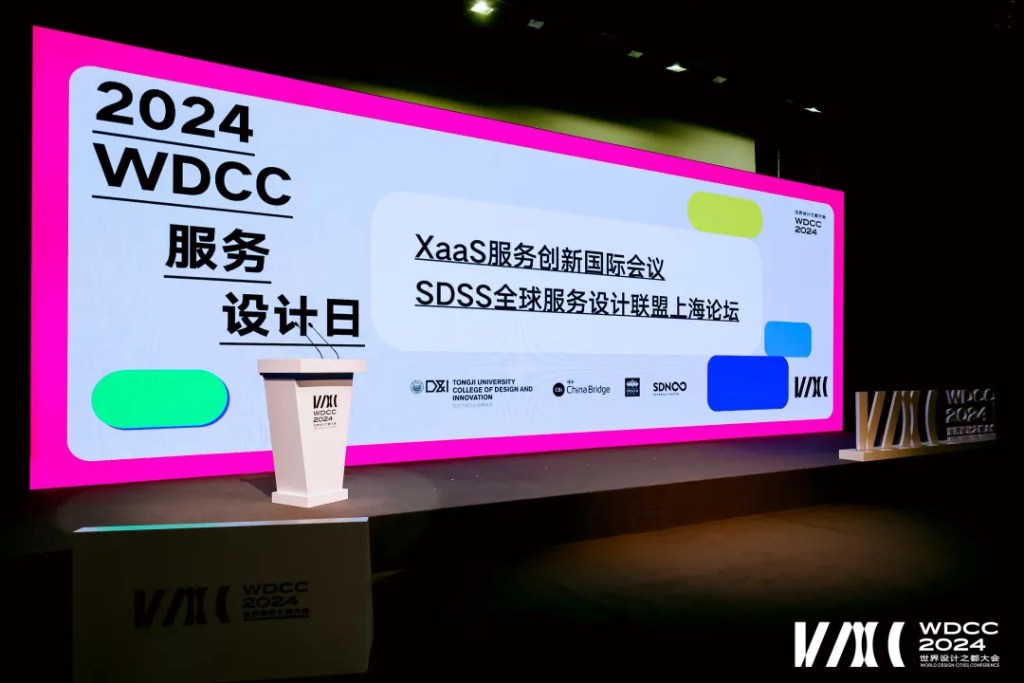 The event gathered experts from renowned universities, research institutes, professional organizations, and industry leaders worldwide. Leveraging resources from academic advancements and industrial innovation practices, the conference explored three key topics—service design and emerging productive forces, service design and public services, and service design and industrial innovation—through keynote speeches and roundtable discussions. These high-level dialogues provided a systematic exploration of forward-thinking issues, advancing the integration of research, education, and industry in service design.
01. Human-Centered Approach: Unlocking the Value of Service Design
At the opening ceremony, speakers including Li Xiangning, Assistant to the President of Tongji University and Changjiang Scholar Distinguished Professor; Lorenzo Imbesi, President of the International Association of Universities and Colleges of Art, Design and Media (CUMULUS); and Chen Jianlin, Deputy Director of the Consumer Goods and Fashion Industry Development Division of the Shanghai Municipal Commission of Economy and Informatization, engaged in discussions on global hot topics such as artificial intelligence, design education, urban development, and ecological construction.
As artificial intelligence continues to reshape industries at an exponential pace, the value of human creativity faces new challenges. How does service design differentiate itself in this landscape? What is its inherent value?
Professor Li Xiangning emphasized, “Amidst the wave of AI technological revolution, the irreplaceable nature of service design as a vital branch of design will become increasingly prominent, highlighting the core value of creativity and innovation.” He underscored the importance of design education in the AI era, quoting Princeton University’s 2024 address and insights from “AI pioneer” Fei-Fei Li.

Lorenzo Imbesi further elaborated on the human-centric ethos of service design, stating: “In an interconnected world, we design not just products but the interactions between people.” Chen Jianlin echoed this sentiment, advocating for integrating human-centric service design into every aspect of urban life.
In light of service industries accounting for over 50% of China’s GDP for nine consecutive years, the unseen yet enduring value created by service design across various urban and life scenarios significantly contributes to the high-quality development of the service economy.
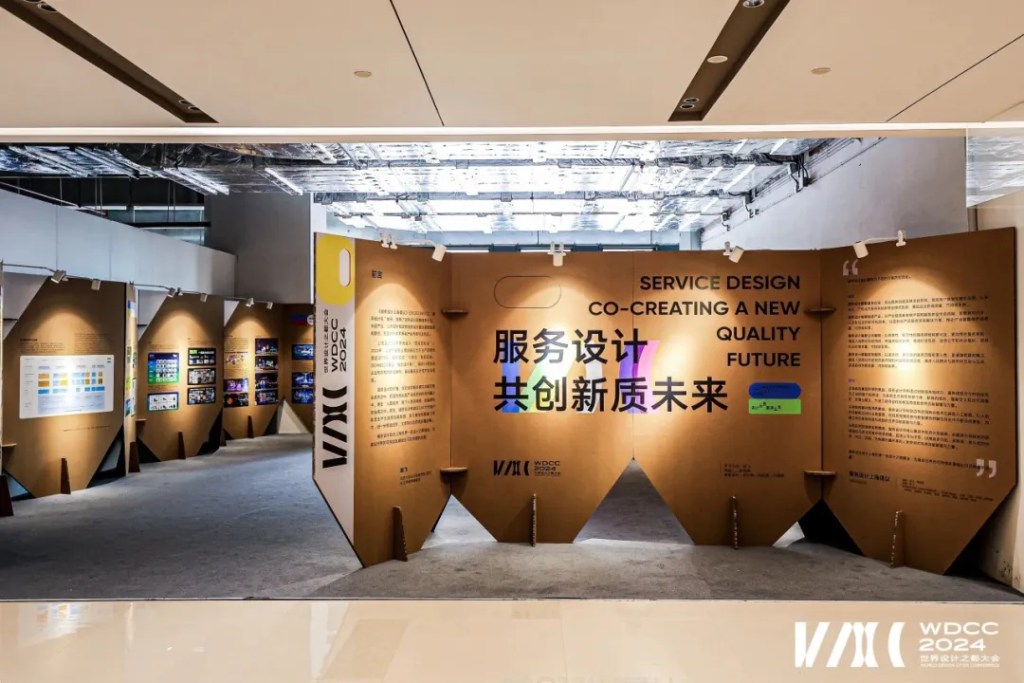
For the first time, WDCC featured a dedicated “Service Design” exhibition, showcasing 14 vibrant case studies, including collaborations between CBi China Bridge and Poly International, Huixiangfu, Chua Lam Dim Sum, and China Travel Service. These cases spanned industries such as property management, cultural tourism, elderly care, and dining, illustrating the role of service design in driving industrial innovation, enhancing public services, and enriching lives.
02. People-First Innovation: Driving Public Service Excellence
Service design, grounded in a human-centered philosophy, continues to optimize urban public services, advancing smart governance, more convenient transportation, improved elderly care and medical services, as well as upgraded and innovative infrastructure, ultimately fostering efficient urban management.
Public Services in China: The Need for Organic Renewal
After two decades of rapid development, China faces the critical challenge of achieving organic renewal in its urban public services.
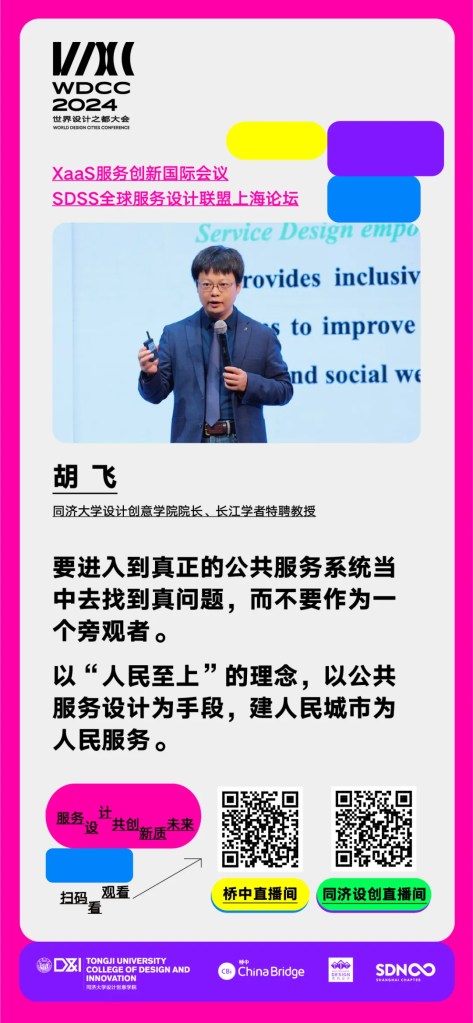
In the session on “Service Design and Public Services,” keynote speeches were delivered by Hu Fei, Dean of the College of Design and Innovation at Tongji University and Changjiang Scholar Distinguished Professor; Yao Yi, General Manager of Mixed-Use Complex Design for CR Land East China; and Wang Jiao, Head of the Design Center at Ant Group.
A roundtable discussion followed, moderated by Peng Miaosen, CUMULUS Executive Member and Associate Professor at Jiangnan University’s School of Design. Participants included Xin Ge, Deputy Director of Shanghai Science and Technology Museum; Chen Minxing, Deputy Director of Siping Road Subdistrict Office; Luo Jian, Vice President of Tongji Rehabilitation Hospital; Wang Hui, General Manager of Huixiangfu Elderly Care Group; and Wang Jiao, Head of the Design Center at Ant Group.
Public Service Design in Action: “Shanghai Action Plan”
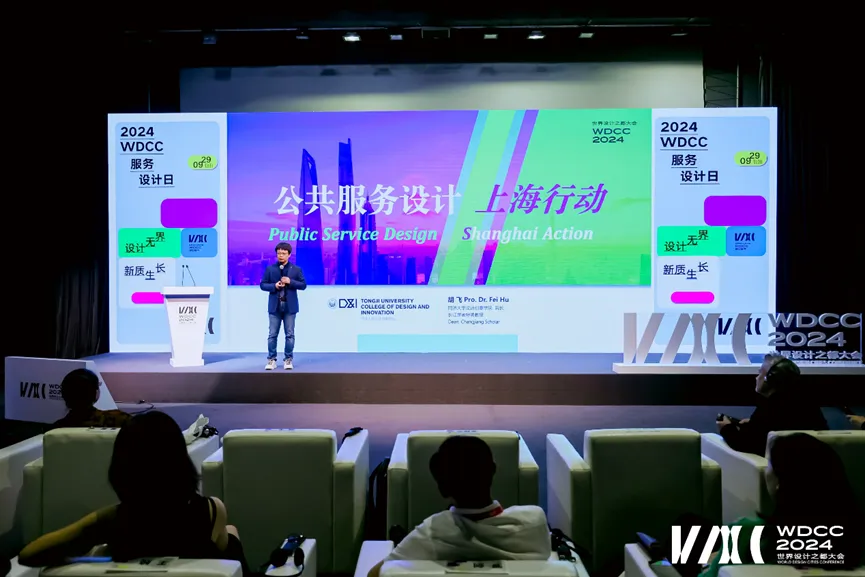
The College of Design and Innovation at Tongji University officially released the “Public Service Design Shanghai Action Plan” (hereafter referred to as the “Action Plan”).
During the launch, Hu Fei, Dean of the College, emphasized that Shanghai’s public services could serve as a national pilot program for other cities. He underscored the importance of cross-departmental collaboration, stating that public service design is not the responsibility of a single entity but requires a concerted effort across multiple departments.
As part of the initiatives to implement the “2024 World Design Cities Shanghai Declaration (Design S),” the Action Plan is built around the principles of “in Shanghai,” “for Shanghai,” and “for the people.” It highlights the “people-first” philosophy, positioning public service design as a tool to build a city for its citizens and serve the people.
People-Centered Balance Between Public and Commercial Interests
With global urbanization accelerating, achieving an effective balance between public interests and commercial benefits has become a focal point in governance.
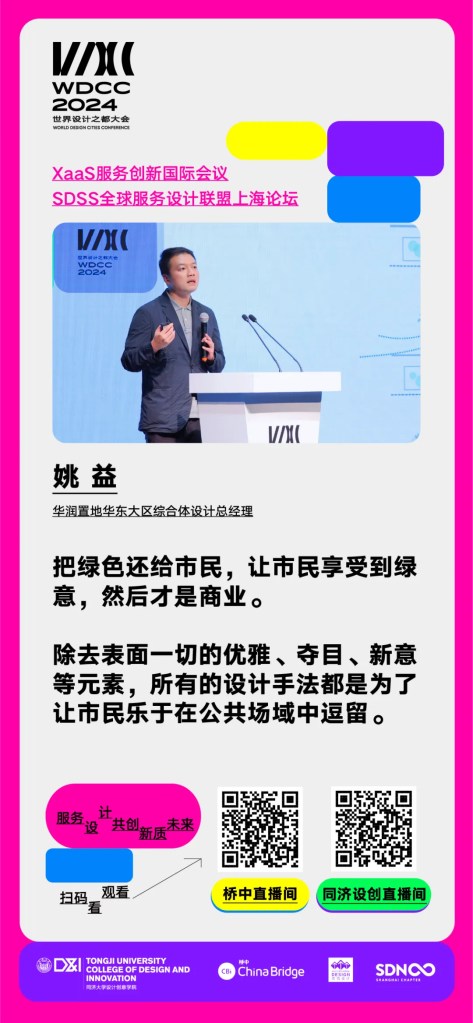
Yao Yi, General Manager of Mixed-Use Complex Design for CR Land East China, shared practical insights into “people-centered” commercial scenarios. He stressed that architecture and environmental design must ultimately serve citizens. Eliminating superficial embellishments to provide green spaces and livable environments is key.
Design for People, Charity at Heart
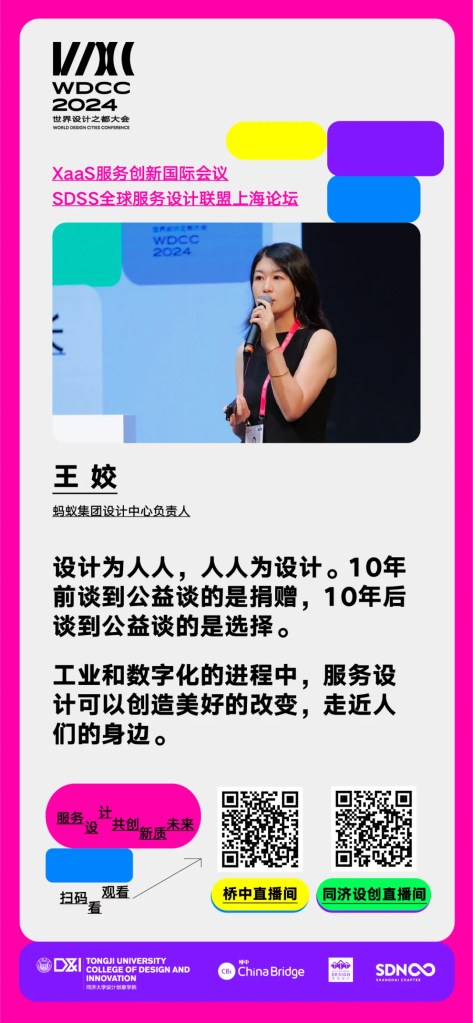
Wang Jiao, Head of the Design Center at Ant Group, proposed that charity is no longer merely about donations but involves carefully selecting beneficiaries and providing sustainable support. She highlighted projects such as Hangzhou Zoo’s barrier-free design and the Blue Vest Initiative, illustrating how service design empowers accessibility services, elderly care, women’s development, and rural revitalization, delivering warmth and compassion.
Innovation in Public Services: Breaking Industry Barriers
In the roundtable discussion, panelists explored how service design perspectives can dismantle and reshape industry barriers, re-evaluating governance, healthcare, elderly care, and charitable services.
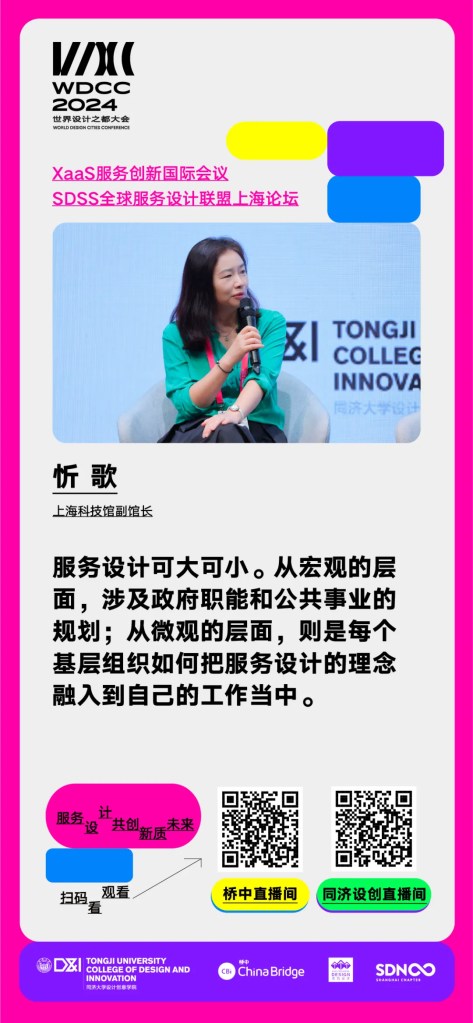
- Xin Ge, Deputy Director of Shanghai Science and Technology Museum, discussed integrating service design into governance services, from macro-level governmental planning to micro-level grassroots organizations.
- Chen Minxing, Deputy Director of Siping Road Subdistrict Office, emphasized that service design is key to solving practical workplace challenges.
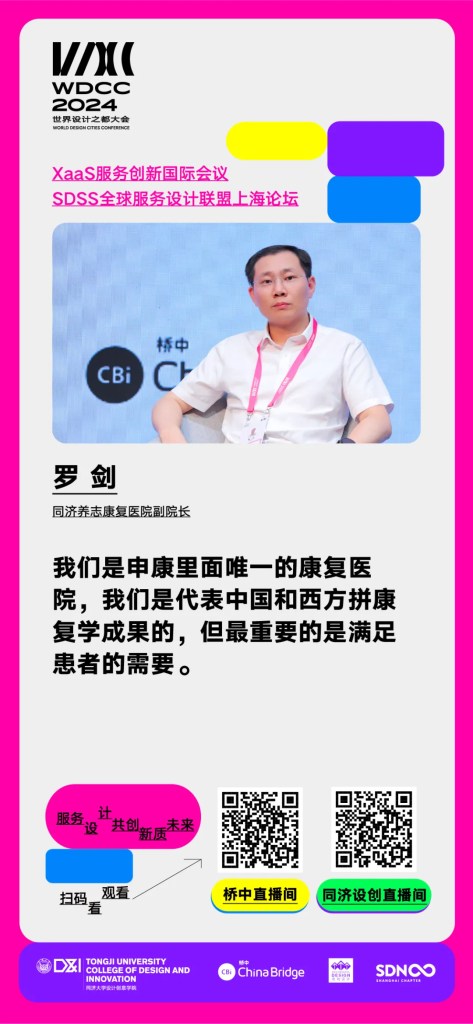
- Luo Jian, Vice President of Tongji Rehabilitation Hospital, noted that the core of healthcare services lies in meeting patients’ needs.
- Wang Hui, General Manager of Huixiangfu Elderly Care Group, stressed that the success of services depends on their longevity. In elderly care, only deep-rooted service initiatives can achieve long-term impact.
Wang Jiao further explored the synergy between charity and commerce, stating, “The sustainability of charity often stems from commercial integration. While pursuing commercialization, we also account for various public needs.”
Finally, Peng Miaosen, Associate Professor at Jiangnan University, summarized: “Public service design is deeply tied to people’s well-being and quality of life. Design should proactively address societal needs, genuinely serving the people.”



03 Service Design: Co-Creating a New Future
We are entering an era where new productive capacities lead the way, with innovation becoming the critical driver of economic transformation. This shift propels us toward a highly efficient and high-quality production landscape.
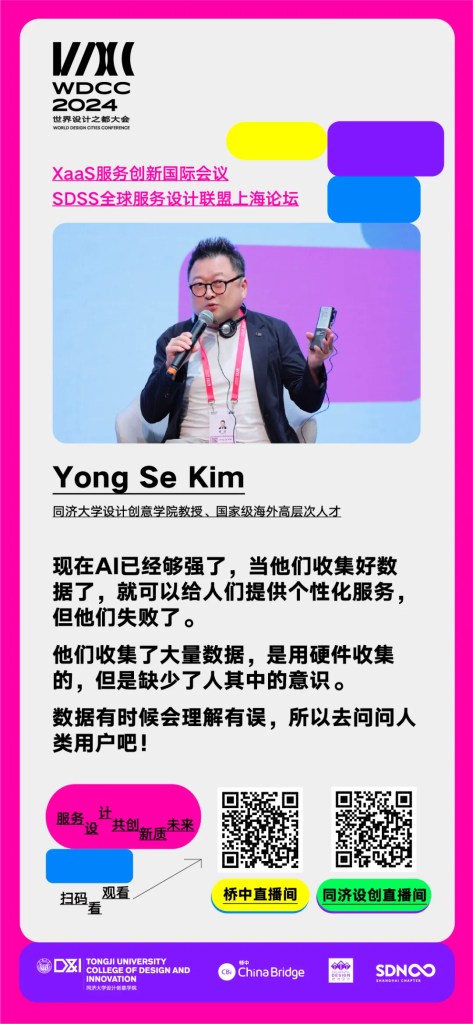
What opportunities does service design present amidst this transformation? In the session on “Service Design and New Productive Capacities,” keynote speeches were delivered by Professor Yong Se Kim from Tongji University’s College of Design and Innovation, a National High-Level Overseas Talent, and Huang Wei, Founder of CBi China Bridge and Chair of the Global Service Design Network Shanghai Chapter.
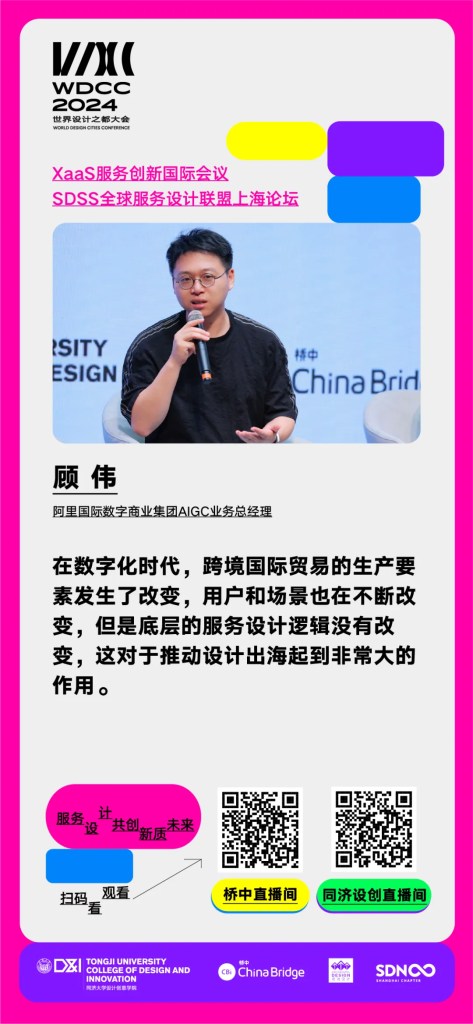
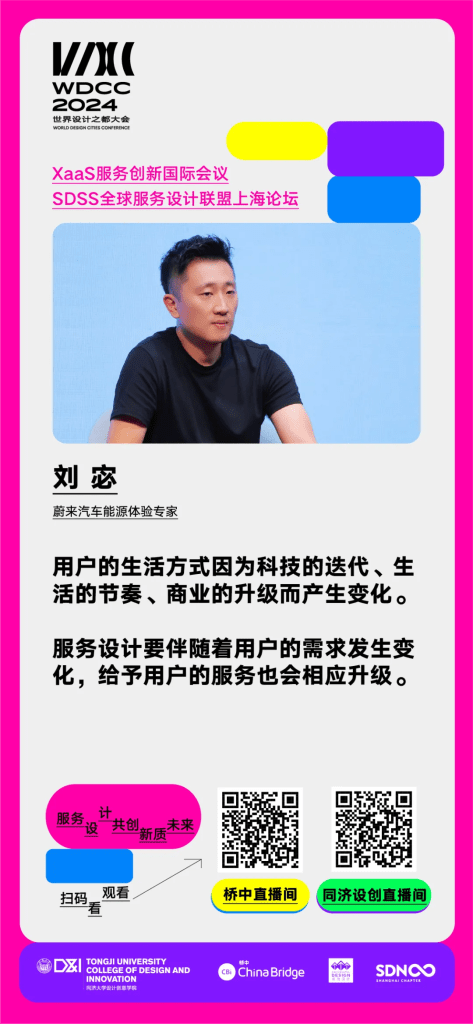
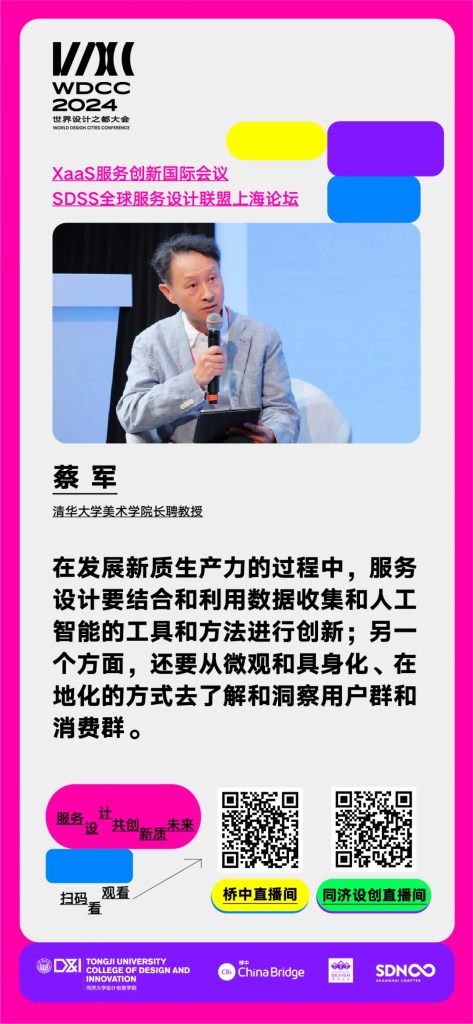
This was followed by a roundtable discussion moderated by Professor Cai Jun, Tenured Professor at Tsinghua University’s Academy of Arts & Design, featuring panelists such as Zhu Bin, Head of Product Design for Feishu at Douyin Group; Gu Wei, General Manager of AIGC Business at Alibaba International Digital Commerce Group; Liu Zhijian, General Manager of Gewu Consulting & Design; and Liu Mi, Energy Experience Expert at NIO.
Digital Transformation: Elevating Human-Centered Value
Global digitalization is entering a golden age, where the heart of technological advancement lies in achieving automation and intelligent innovation through AI. How can digital platforms enhance traditional service industries?
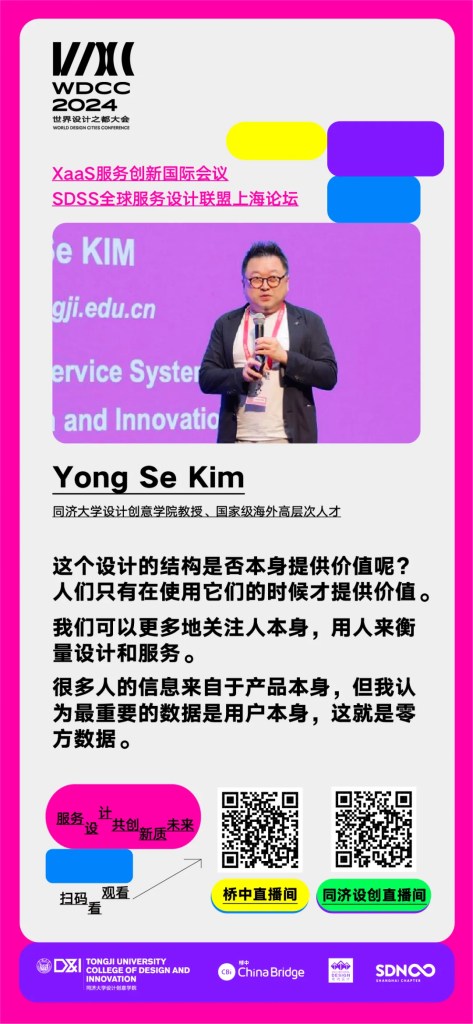
Professor Yong Se Kim emphasized that while technology continues to evolve, human value remains at the core. Service design must deeply understand user needs, construct efficient and meaningful service systems, and integrate new technologies to enhance service quality and deliver personalized solutions to meet evolving market demands.
Bridging Gaps: Driving Future Growth
New productive capacities, with their inherent innovation and transformative potential, are leading societal transitions. However, amidst global competition, gaps persist in areas such as industrial internet development, the contribution of productive services, and the competitiveness of high-value-added manufacturing.
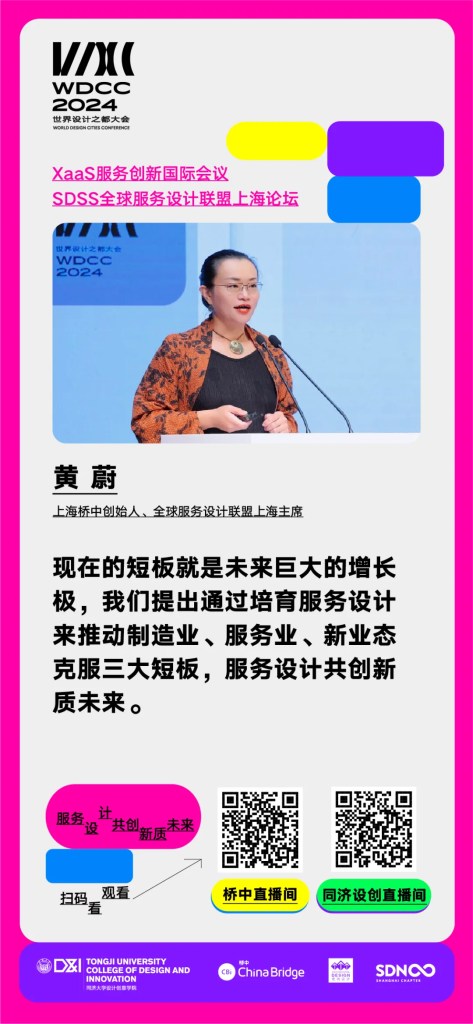
Huang Wei identified these gaps as critical opportunities for future growth. By adopting a holistic view of the industrial value chain and fostering innovation, the convergence of new manufacturing (strategic emerging and future industries), new services (high-value-added productive services), and new business models (globalized and digitalized economies) forms the core of new productive capacities.
Nurturing New Growth: Unleashing Boundless Potential
During the roundtable discussion, panelists explored the potential of service design in fields such as SaaS, cross-border e-commerce, new energy, and AI under the leadership of new productive capacities.
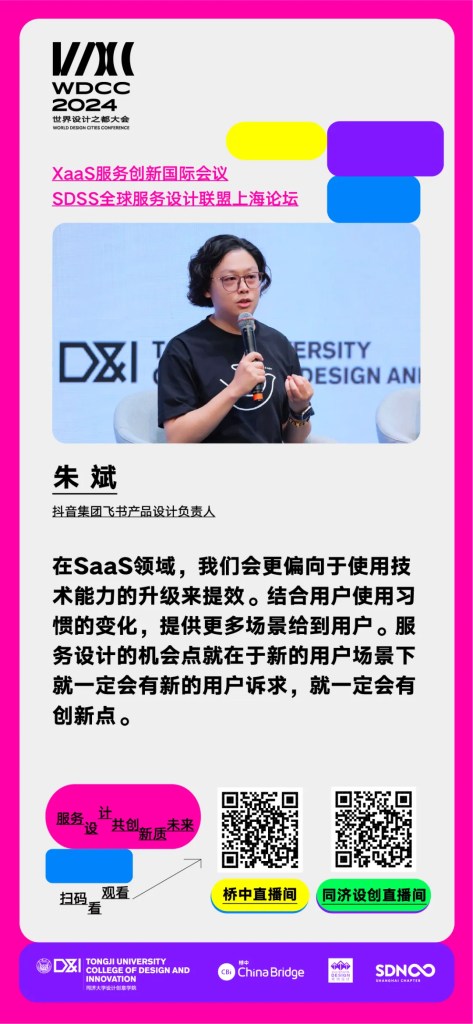
- Zhu Bin, Head of Product Design at Feishu, highlighted how SaaS enterprises leverage technological advancements to boost efficiency. He noted that service design is crucial in addressing shifts in user habits, as new scenarios create emerging demands and opportunities for innovation.
- Gu Wei, General Manager of AIGC Business at Alibaba, observed that while digitalization is transforming production factors, the core logic of service design remains unchanged, further driving the international expansion of design innovation.
- Liu Zhijian, General Manager of Gewu Consulting & Design, predicted that service design would increasingly delve into business operations to solve complex, multi-layered challenges.
- Liu Mi, Energy Experience Expert at NIO, stressed that as user needs evolve, service design must continuously upgrade to meet and exceed expectations.
Professor Yong Se Kim also cautioned that while AI is powerful, relying solely on data is insufficient. Service design must be rooted in profound insights into real user needs.
In conclusion, Professor Cai Jun remarked that as service design advances new productive capacities, it must integrate data and AI tools while maintaining a micro-level focus on comprehending user requirements.

04 Revolutionizing Business Thinking: Empowering High-Quality Development
In the accelerating commercialization process and the era of consumption upgrades, service design has evolved beyond enhancing “soft services” to becoming a pivotal force driving industry innovation and high-quality development.
By leveraging technological empowerment, market insights, and a deep understanding of user needs, service design leads industries to stand out in competitive landscapes, addressing the demands of a new generation of consumers and the challenges of globalization.
At the “Service Design and Industry Innovation” session, the XaaS Service Innovation Lab released the report “Manifold—2024 Chinese Young People’s Lifestyle”; Yao Xinhe, a postdoctoral researcher at the Commercial Aircraft Corporation of China (COMAC) Postdoctoral Research Workstation, delivered a keynote speech; and Zeng Chun, Brand Director of Poly Property, presented her insights.
A roundtable discussion followed, moderated by Professor Wang Li from Tongji University’s School of Economics and Management, featuring Jia Bo, Founder and Chairman of D&P Group; Zhang Cheng, Founder and President of Pastoral Oriental Investment Group Co., Ltd.; Liang Yu, Customer Service Director of ASUS China; Zhou Wei, Executive General Manager of the Strategy and Operations Department at Nianhuawan; and Huang Gang, Partner and Vice President of CBi China Bridge.
Connecting with the New Generation: Reshaping Business Models
In a rapidly changing market, young people exhibit distinctive lifestyles and consumption habits.
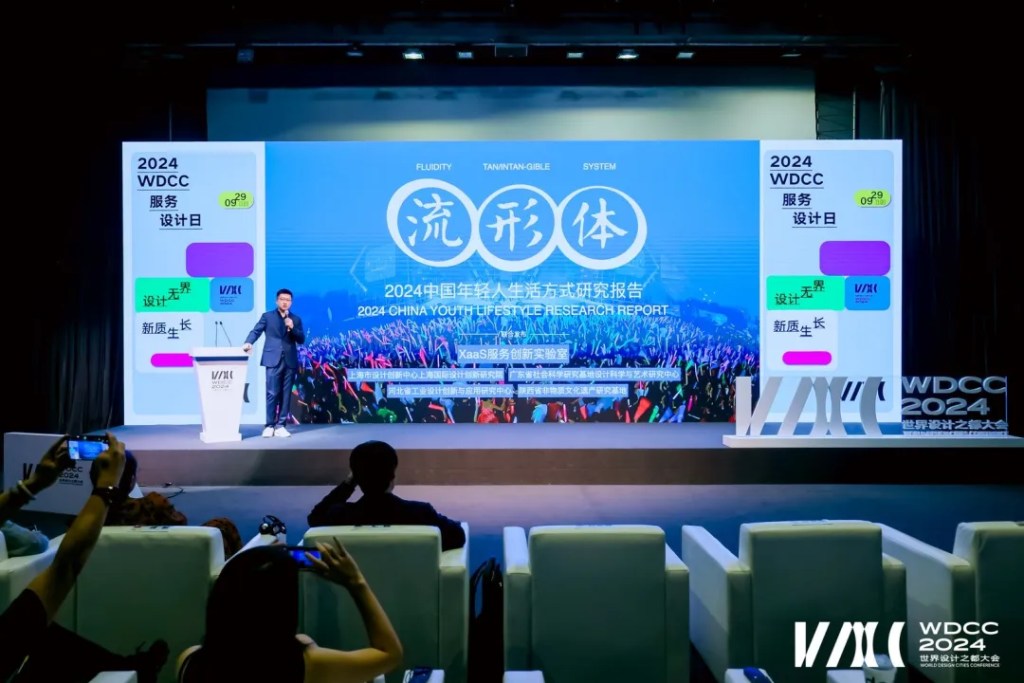
Zhao Huasen, Associate Professor at Tongji University’s College of Design and Innovation, released the report “Manifold—2024 Chinese Young People’s Lifestyle.” Through the report, Zhao and Xu Xing, Assistant Dean and Associate Professor at the School of Art and Design at Guangdong University of Technology, both researchers at XaaS Lab, analyzed how emotional resonance and consumer connections can make businesses more attuned to the needs of the younger generation.
Xu Xing emphasized that young people’s reliance on both online and offline worlds, as well as their dreams, provides endless inspiration for design innovation.
New Experiences for China’s Large Aircraft: Infusing Design with New Vitality
With the C919 large aircraft entering service with three major operators, China’s large aircraft officially offers consumers a new “in-flight experience.” At this pivotal moment, how can service design inject fresh vitality and innovative thinking into the “in-flight experience” of domestic aircraft?
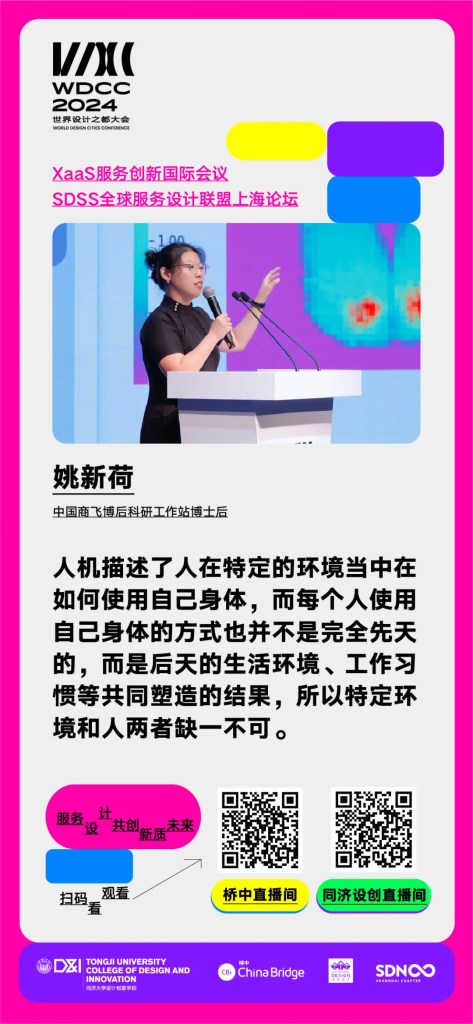
Yao Xinhe, postdoctoral researcher at COMAC, shared how interior design can enhance the passenger experience. By improving aspects from planning to detailed design, Yao outlined ways to create a comfortable and enjoyable flying environment for passengers.
Upgrading Property Services: Embarking on a New Journey
In early 2024, China’s National Development and Reform Commission released the “Industrial Structure Adjustment Guidance Catalogue”, which, for the first time, explicitly encouraged the development of commercial property services. How can service design empower the property management sector to seize this opportunity?
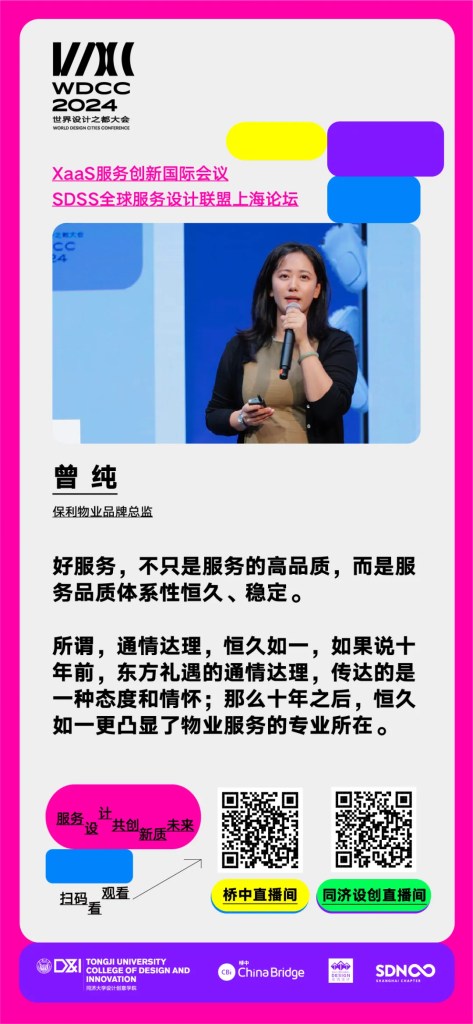
Zeng Chun, Brand Director of Poly Property, explored the definition of “good service” and unveiled the systematic renewal of the Oriental Courtesy high-end service brand. She argued that good service is not merely about high quality but about ensuring its longevity and stability through a systematic approach. Future high-end services will require not only standardized procedures but also technological solutions to solidify service operations and digital tools to enhance service precision.
Integrating Soft and Hard Elements: Driving Industrial Innovation
During the roundtable discussion:
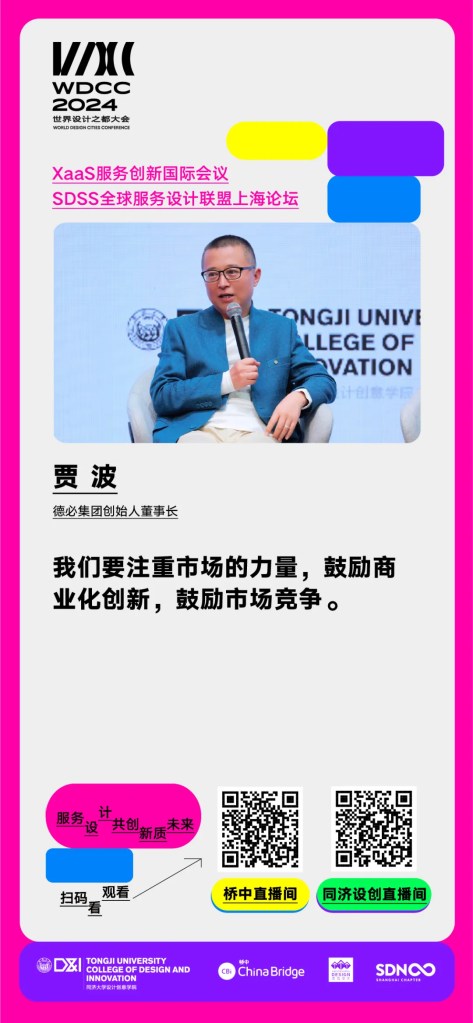
- Jia Bo, Founder and Chairman of D&P Group, highlighted that market competition is a key driver of resource allocation, emphasizing that service design must strengthen innovation.
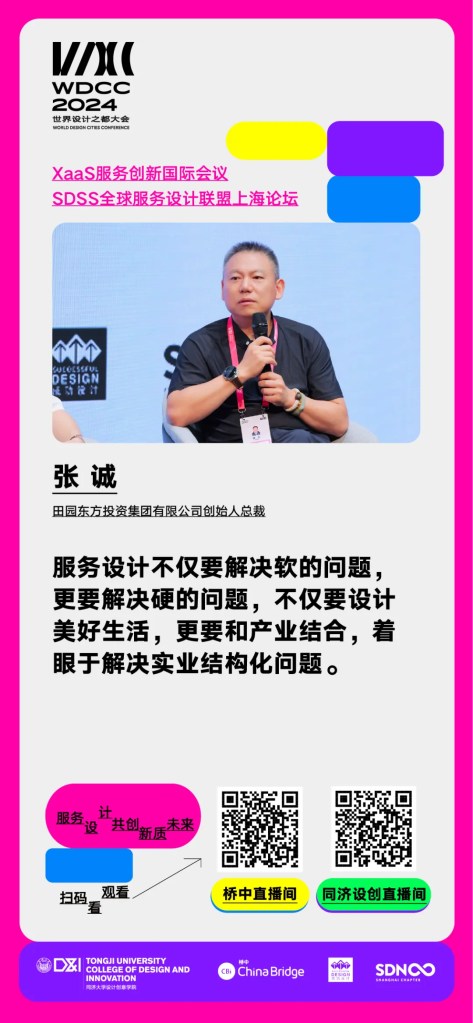
- Zhang Cheng, Founder and President of Pastoral Oriental, suggested that future service design must address structural challenges not only in “soft” services but also in the “hardware” of industries.
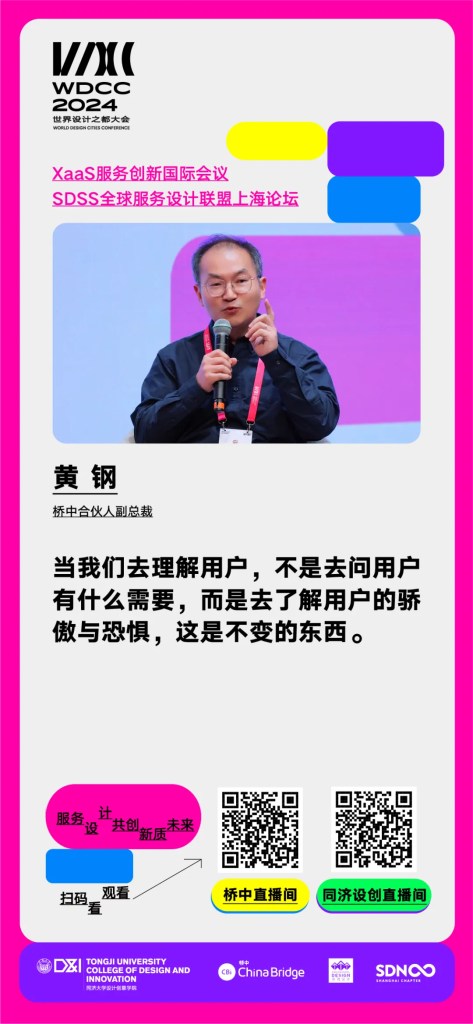
- Huang Gang, Partner and Vice President of CBi China Bridge, remarked, “How to make ‘hard’ elements function effectively? I believe service design plays a far greater role than we might imagine.” He emphasized that service design is not just a cost but a value provider, where understanding deep user needs remains the eternal mission of design.
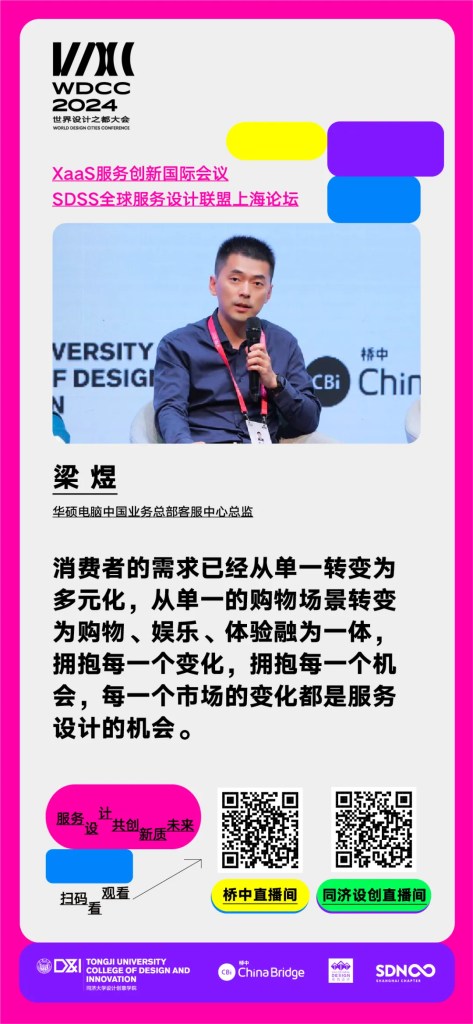
- Liang Yu, Customer Service Director at ASUS China, noted that consumer demands and shopping scenarios have evolved from singular to diversified, with every market change presenting an opportunity for service design.
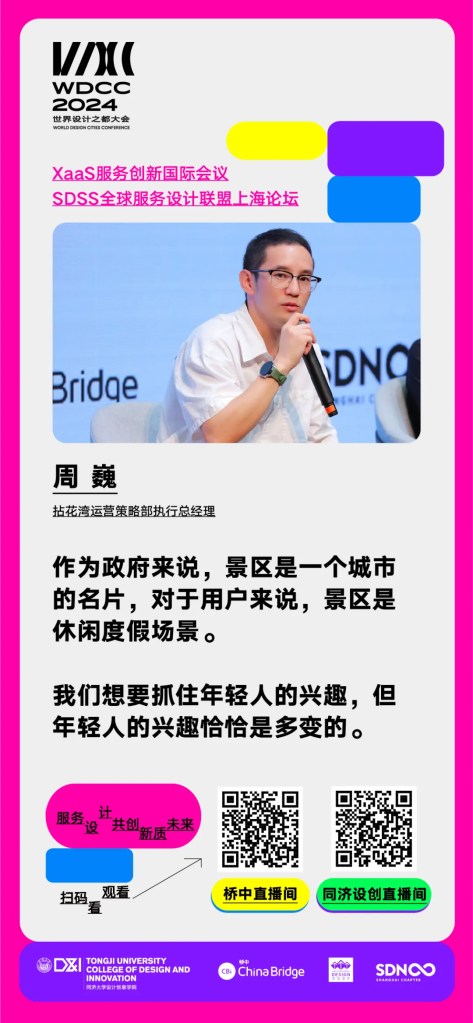
- Zhou Wei, Executive General Manager of Nianhuawan’s Operations Strategy Department, added that while businesses aim to capture users’ interests, those interests are inherently dynamic.
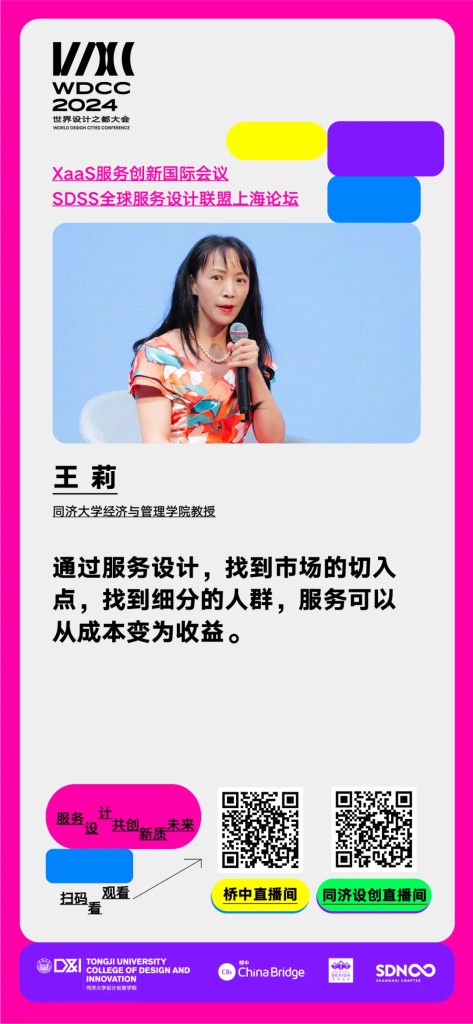
Finally, Professor Wang Li concluded: “Through service design, we can identify precise market entry points, pinpoint niche demographics, and transform costs into returns.”
05 International Service Design Chain: A New Model for Industry-Academia Integration
To promote service design as a driving force for deep industry-academia integration and collaborative development, and to inspire new business models and formats, the International Service Design Chain was officially launched. CBi China Bridge, in partnership with 20 renowned universities, research institutions, industry enterprises, and organizations worldwide, jointly witnessed the release of the International Service Design Chain Initiative. In the future, sectors such as aviation, automotive, internet, elder care, healthcare, real estate, finance, and property management will collaborate to build an empowerment system centered on service design.

The Establishment of the International Service Design Chain
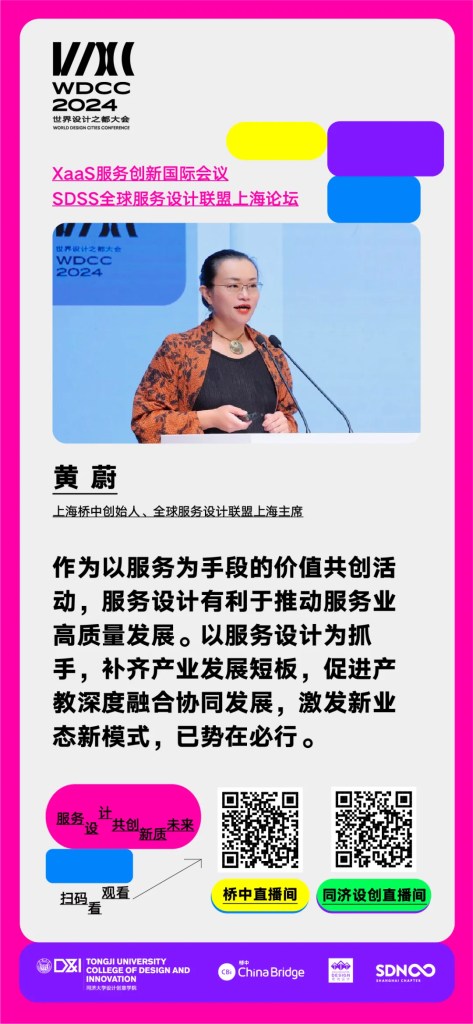
As highlighted by Huang Wei, Founder of CBi China Bridge and Chair of the Service Design Network (SDN) Shanghai Chapter, during the inauguration ceremony, service design, as a value co-creation activity utilizing innovative methods, plays a significant role in advancing the high-quality development of the service sector.
“Using service design to address the gaps in industrial development, foster deep collaboration between academia and industry, and stimulate new business models and formats has become imperative,” Huang stated.
The International Service Design Chain advocates using service design to tackle industry challenges, promote in-depth collaboration between academia and industry, and foster innovation. It focuses on the four chains—education chain, industry chain, talent chain, and innovation chain—for achieving profound integration. This approach aims to drive harmonious interactions between research, design, industries, and markets, enabling comprehensive upgrades across the service production and consumption chains and advancing high-quality service economy development.
From Soft Power to Hard Power
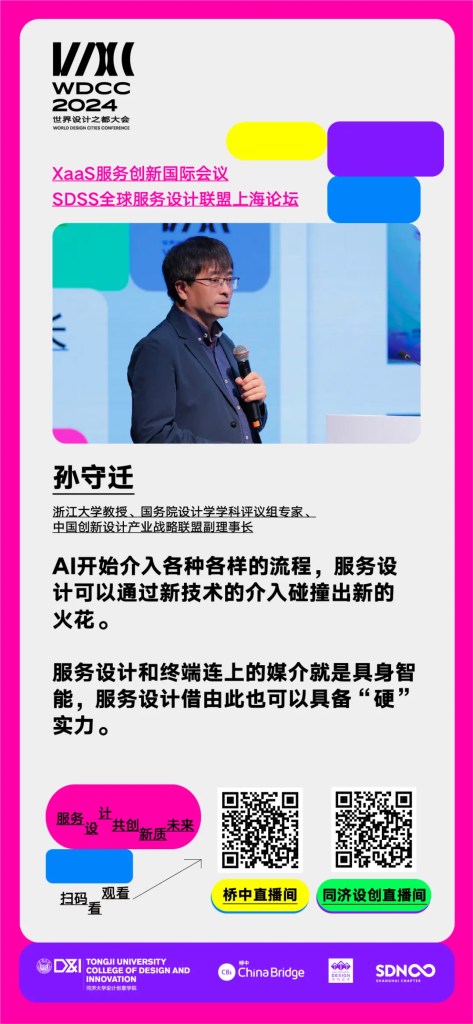
At the closing ceremony, Professor Sun Shouqian from Zhejiang University, an expert from the State Council Design Discipline Evaluation Group and Vice Chair of the China Innovation Design Industry Strategic Alliance, delivered a keynote address. He emphasized that service design, when integrated with cutting-edge technologies, will unlock vast innovation potential. Specifically, in the realm of embodied intelligence, service design is set to evolve from a “soft power” into a capability with tangible “hard power.”
Deepening Industry-Academia Synergy
This conference significantly enriched the dialogue between industry and academia while reinforcing leadership within the service design field. It explored innovative thinking and future pathways for service design from academic, research, and industry perspectives. The discussions provided fresh insights into how service design can empower high-quality service economy development, support sustainable urban construction, and align with new productivity paradigms.

Looking Forward
With the conclusion of the WDCC2024 Service Design Day XaaS & SDSS Service Innovation International Conference, the stage is set for the 2025 World Design Capital Service Design Forum.
CBi China Bridge will continue to leverage service design as a tool for innovation, empowering businesses to achieve organizational transformation and market competitiveness. By advancing the dual-qualification talent framework, fostering global and domestic resource exchanges, and enhancing Shanghai’s design leadership, CBi aims to drive progress in the service design industry and solidify Shanghai’s role as a global hub for design, technology, and creativity.
See you at the 2025 WDCC Service Design Forum!