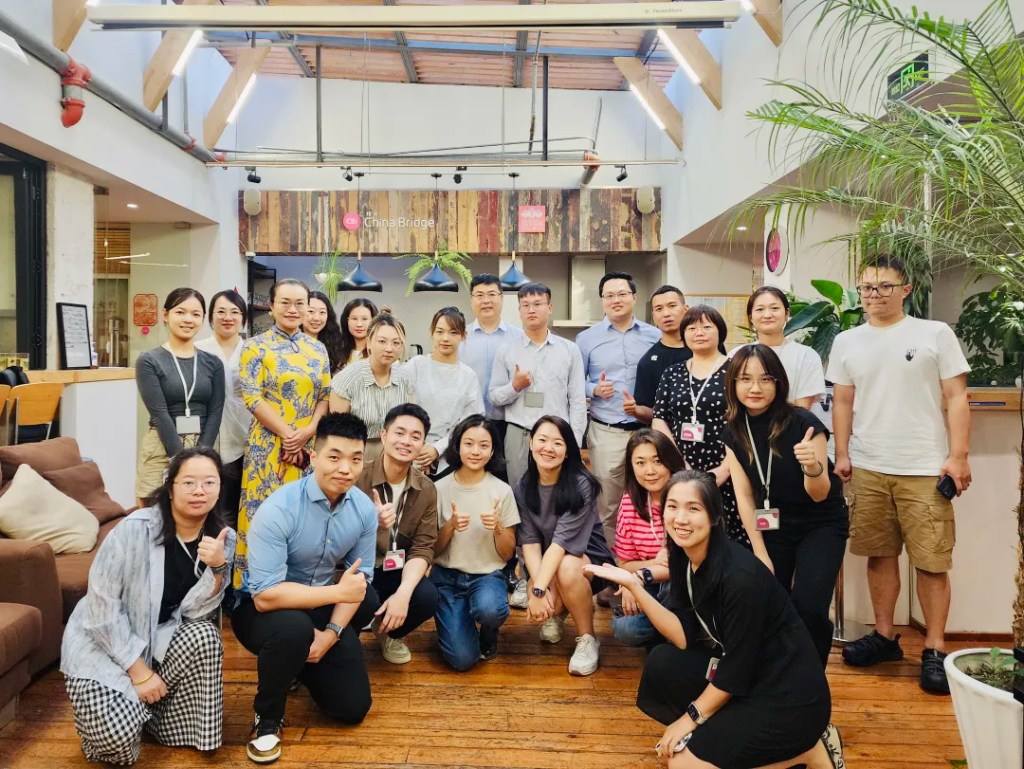
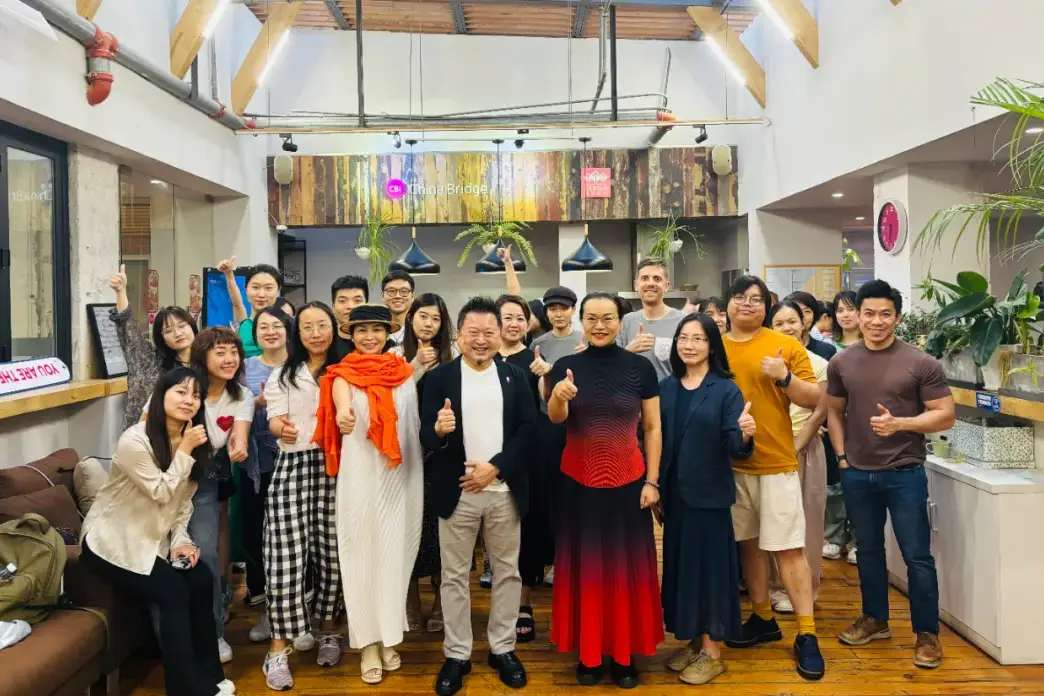
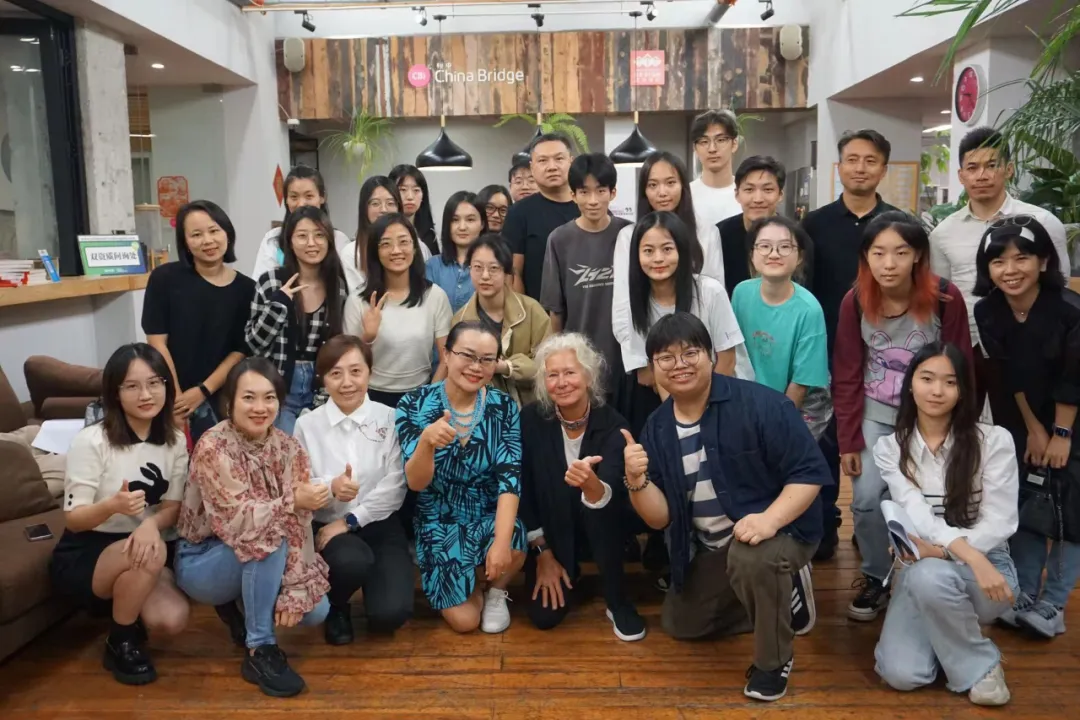
Recently, CBi China Bridge successfully hosted the “AI + Service Design: Pioneer AI Workshop,” bringing together entrepreneurs, technical leaders, and mid-to-senior managers from various industries. The workshop aimed to explore innovative paths for service design empowered by AI.

This event served as a platform for the deep integration of AI technology and service design, fostering creativity and innovation. It helped business leaders seize opportunities in a rapidly changing market, driving business upgrades and innovative growth.
In today’s uncertain business environment, AI is becoming a critical force for enterprise transformation and growth. However, many businesses struggle to integrate AI effectively into daily operations, often lacking clear use cases and implementation paths. This challenge has hindered their ability to achieve tangible breakthroughs in the AI era.
In response, the “AI + Service Design: Pioneer AI Workshop” was created to combine the user-centric insights and process optimization of service design with the agile innovation capabilities of AI. This provides practical AI-powered solutions, helping businesses stand out in fierce market competition.

Three Core Themes: Exploring AI-Driven Service Innovation
Participants delved into the workshop’s theme, “AI Empowerment: Leading the Future,” through three core questions:
- How can we leverage AI to lead intelligent service transformation?
- How can AI and service design combine to enhance user experiences?
- How can we understand AI’s developmental path to achieve efficient business transformation?
These discussions not only offered diverse perspectives but also deepened participants’ understanding of the integration between AI and service design.
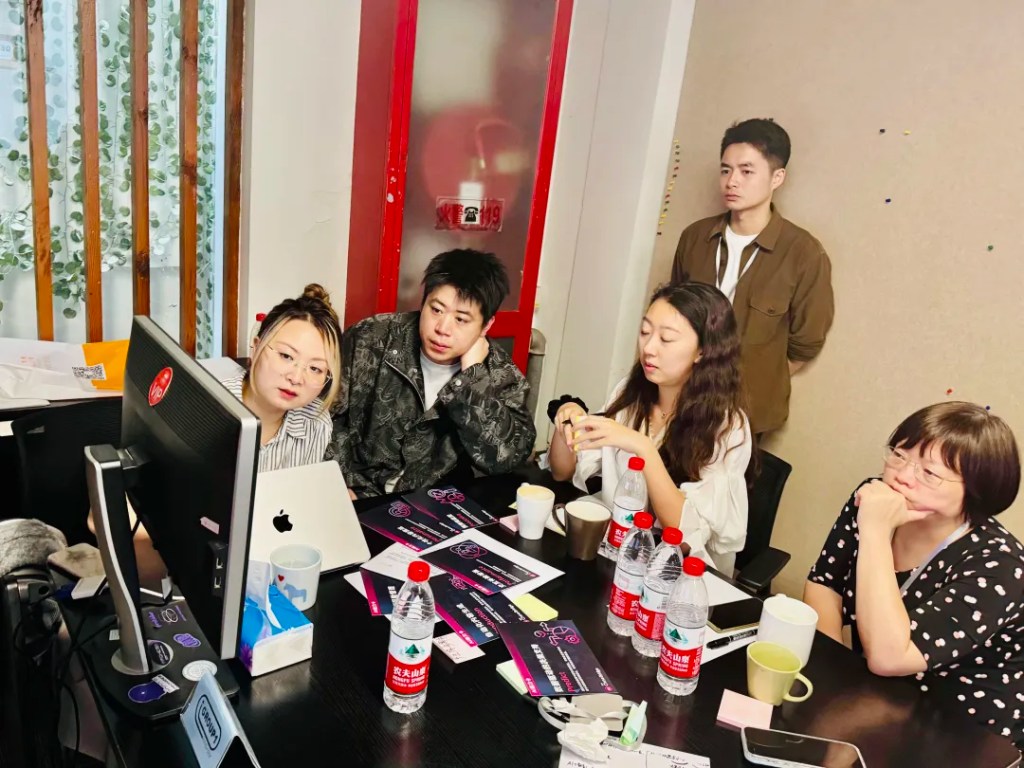
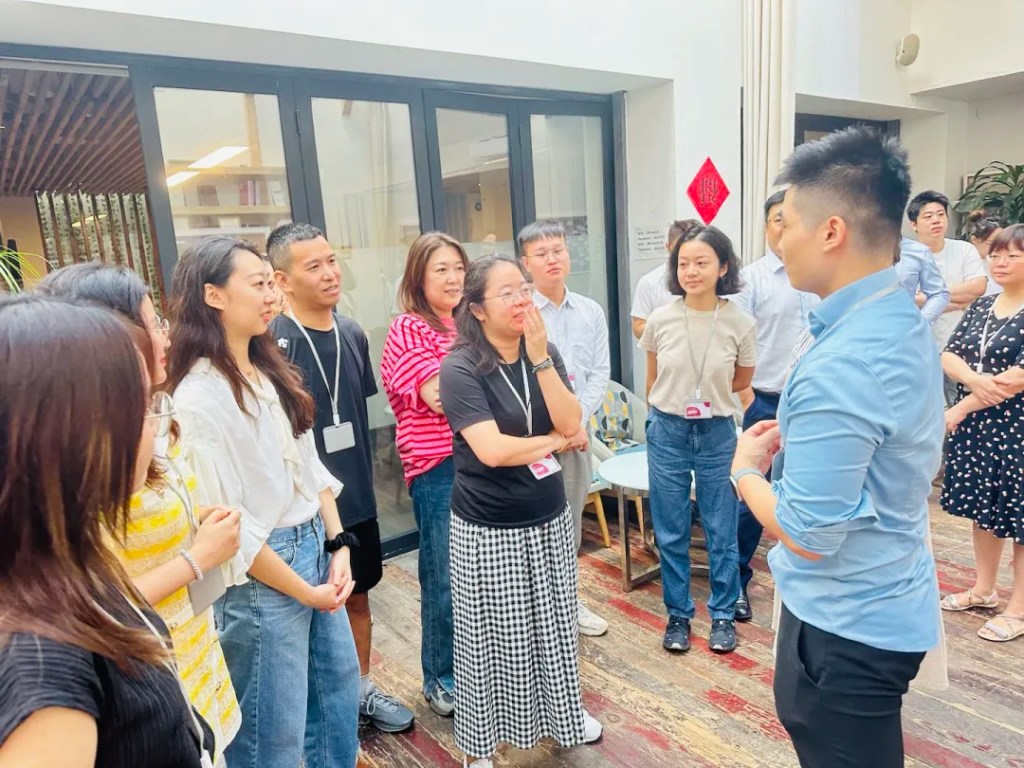 Unlike traditional lecture-style teaching, the workshop emphasized interactive discussions and open-ended collaboration, breaking away from fixed agendas. Participants engaged in ice-breaking activities, quickly forming connections in a relaxed atmosphere to prepare for a day of learning and creative exchange.
The workshop began with the “AI Foresight and Industry Insights” session. CBi mentors guided participants through discussions on AI’s development trajectory and its potential across various industries.
This session explored the benefits and challenges of AI in the current technological landscape, offering a multidimensional understanding of AI as a core driver of transformation.
Instead of a traditional one-way lecture, mentors used case studies, guiding questions, and interactive discussions, encouraging participants to share pain points and challenges from their industries. Together, they explored innovative AI-driven solutions, harnessing collective wisdom to generate actionable ideas.
Participants’ understanding of AI evolved from basic knowledge and tools to its broader industry implications, creating a solid foundation for building innovative “AI + Service Design” solutions.
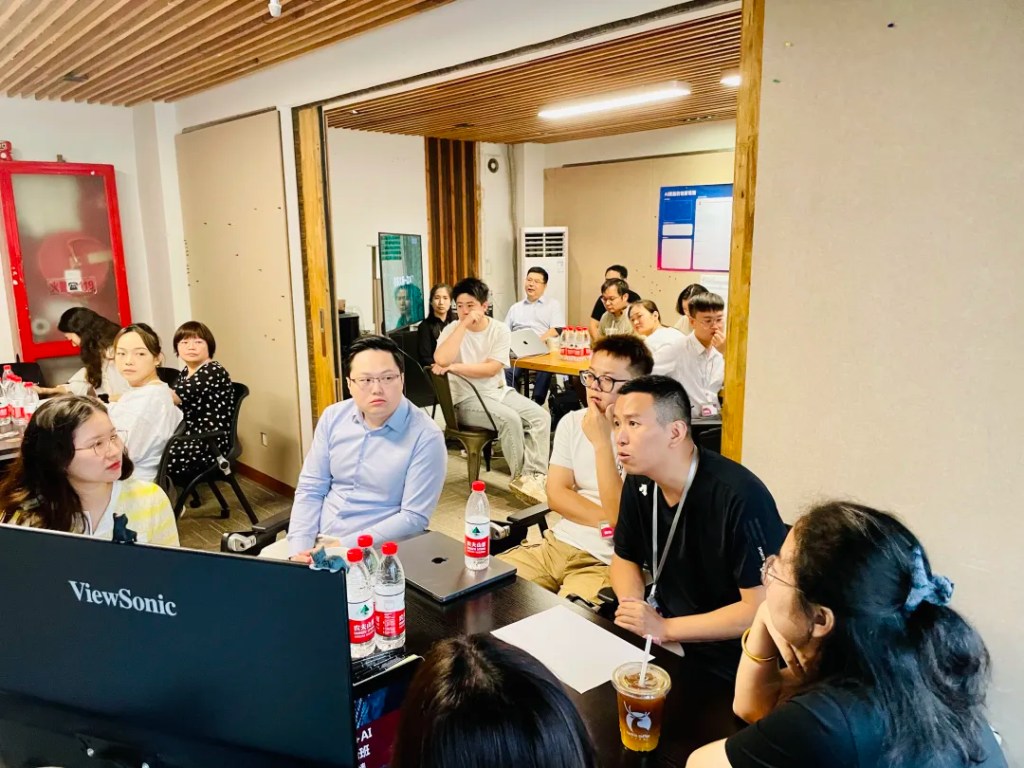
Building the Innovation Framework
In the “Innovation Framework Development” session, mentors aligned AI’s capabilities with real business needs, identifying key areas where AI could have a significant impact. Participants used CBi’s AI tool, “XiaoQiao”, to rapidly construct prototypes of innovation frameworks, gaining hands-on experience along the way.
This exercise allowed participants to directly experience the potential of AI in boosting service design innovation and efficiency, further equipping them with methods to drive AI-powered transformation.
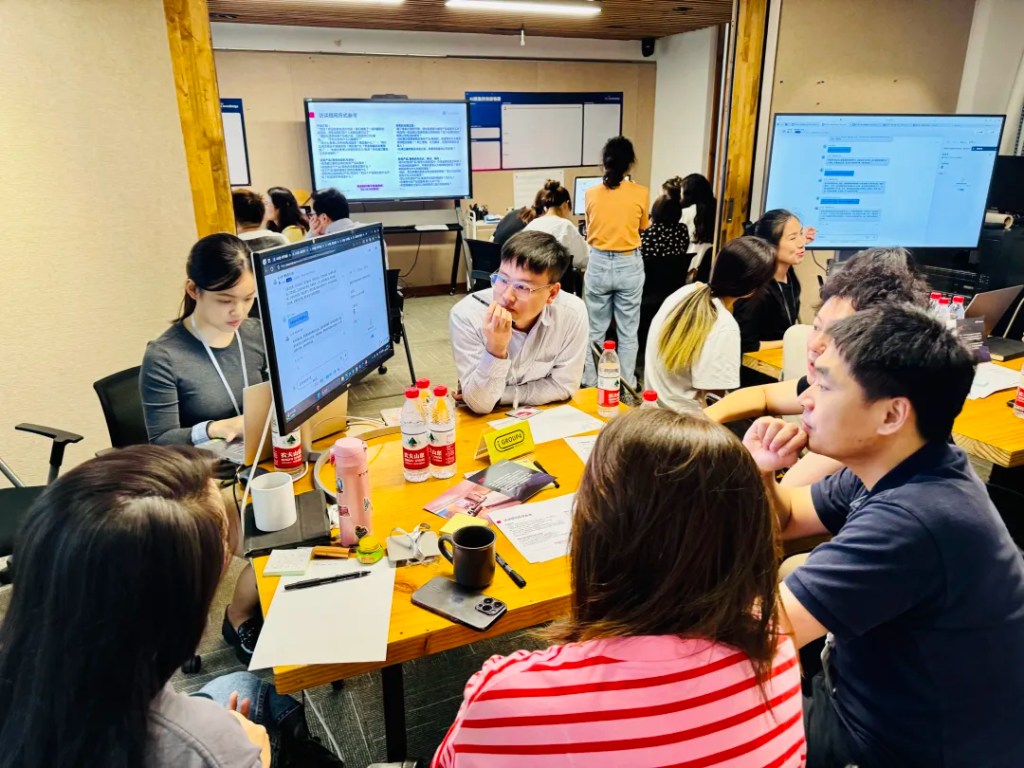
AI-Powered User Insights
The “AI + User Insights” module explored how AI can enhance user research. Participants used AI tools to generate user insights, learning how to improve the accuracy and credibility of AI-derived results.
While AI can greatly accelerate data processing, the workshop emphasized the importance of interpreting user needs precisely as the foundation for business breakthroughs. Participants recognized that true innovation lies not in technology alone but in leveraging AI to conduct deeper, more insightful user research.
Optimizing User Journeys with AI
During the “AI + Experience Optimization” module, participants combined AI tools with service design methodologies to focus on improving critical touchpoints in the user journey.
Using “XiaoQiao,” participants explored practical ways to enhance user experiences, envisioning future human-AI collaboration models and deepening their understanding of AI-driven service innovation.
Teams shared their thoughts on “human + AI” collaboration, inspiring discussions about the future of business models and innovation.
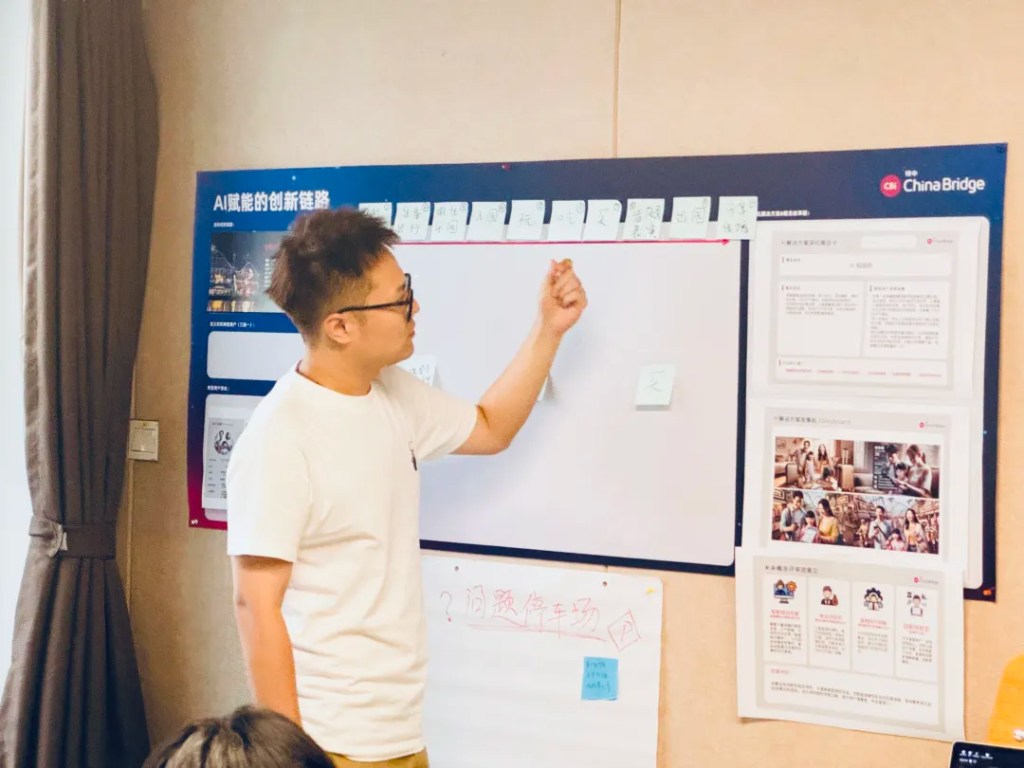
Prototyping AI-Powered Solutions
The workshop peaked with the “AI-Powered Prototype Design” session. Participants designed and showcased service prototypes that integrated AI technology, simulating how AI can elevate user experiences.
Some group designs sparked lively discussions, highlighting the vast potential of AI in service design. One participant humorously remarked, “If this solution goes live, I’d be the first to sign up!”
Through these dynamic exchanges, participants not only deepened their understanding of AI empowerment but also generated creative sparks for future innovations.
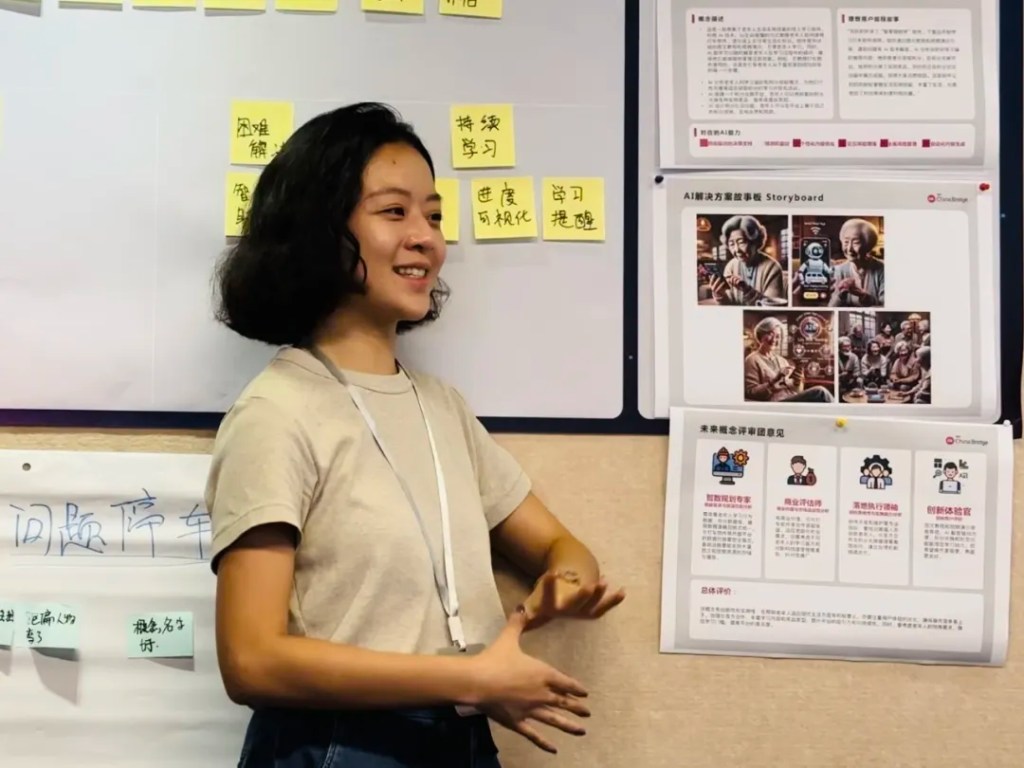
AI and Organizational Transformation
In the “AI + Organizational Transformation” module, participants discussed how AI can optimize enterprise structures to enhance resource integration, collaboration, and sustainable growth.
Reflecting on their organizations, they explored how AI could enable more adaptive and innovative structures, broadening perspectives and boosting confidence in future transformations.
Using the AI Opportunity Canvas, participants identified potential opportunities across industries, such as improving user research, streamlining processes, and reimagining service models to create new value chains.

A Transformative Journey
After a day of intensive discussions and hands-on practice, the workshop concluded on a high note. Participants left with expanded knowledge of AI, practical tools, and actionable insights to drive innovation in their organizations.
Many expressed excitement about applying these learnings to gain a competitive edge in their industries.
Though the workshop has ended, participants’ enthusiasm for exploring AI-driven service design and organizational transformation has only just begun.
This pioneering workshop marks a milestone in harnessing AI as a force for innovation. What’s next for AI-driven service design? The future is full of possibilities.