Amid an economic downturn, slowing global growth, and intensifying competition, the winds of change are blowing through every corner of the market.

Even pharmaceutical companies that once enjoyed comfortable, highly defensible positions can no longer afford to stand still.

As domestic competitors continue to rise, consumers are increasingly willing to consider local alternatives.

For global pharma giants that once only needed strong distribution to win, a new question has become impossible to ignore: How can they rebuild their relationship with consumers?

Yet breaking away from decades of established thinking and organizational behavior is never easy.


Past Experience Is the Foundation Beneath Your Feet — Not the Signpost for the Road Ahead

A Fortune 500 pharmaceutical company came to China Bridge with a challenge: how to transition from a B2B-oriented business model toward B2C innovation. The goal was clear: Within a limited timeframe, rapidly develop innovative solutions that could reach consumers directly, establish mindshare before competing products entered the market, and unlock opportunities in lower-tier markets. However, during the very first in-depth discussion after the project kicked off, a fundamental difference emerged between the two teams regarding the philosophy and methodology of consumer insight. China Bridge discovered something important: The company knew the consumers described in research reports — but it did not truly know consumers themselves. As a large pharmaceutical company, the organization had a mature customer-research function. It had conducted numerous studies and produced countless reports. Yet somehow, it had never truly moved closer to the people behind the data. Drawing on years of consumer-insight and co-creation experience, China Bridge proposed a different principle: Past experience can inform the future, but it cannot determine it. If a company wants to achieve disruptive innovation, it cannot continue relying solely on the approaches that created its previous success. It needs to break through established organizational assumptions, understand what matters to diverse groups of consumers, and uncover the deeper needs behind their behaviors. For example: When consumers choose a healthcare product, they may be looking for a sense of reassurance. But where does that reassurance actually come from? Is it trust in the brand? A physician’s recommendation? Evidence that the product works? And where does trust in the brand itself come from? Advertising and communication? Visible endorsements from credible institutions or experts? Or alignment with the values the brand represents? Through these discussions, the two sides ultimately reached a shared understanding: Past experience is the foundation of innovation. But to identify the road ahead, companies need fresher and deeper consumer insight to uncover the right innovation opportunities. With this in mind, China Bridge designed a series of innovation activities for the workshop.  
 

01 Bring in a Group of “Catfish” to Break Established Thinking

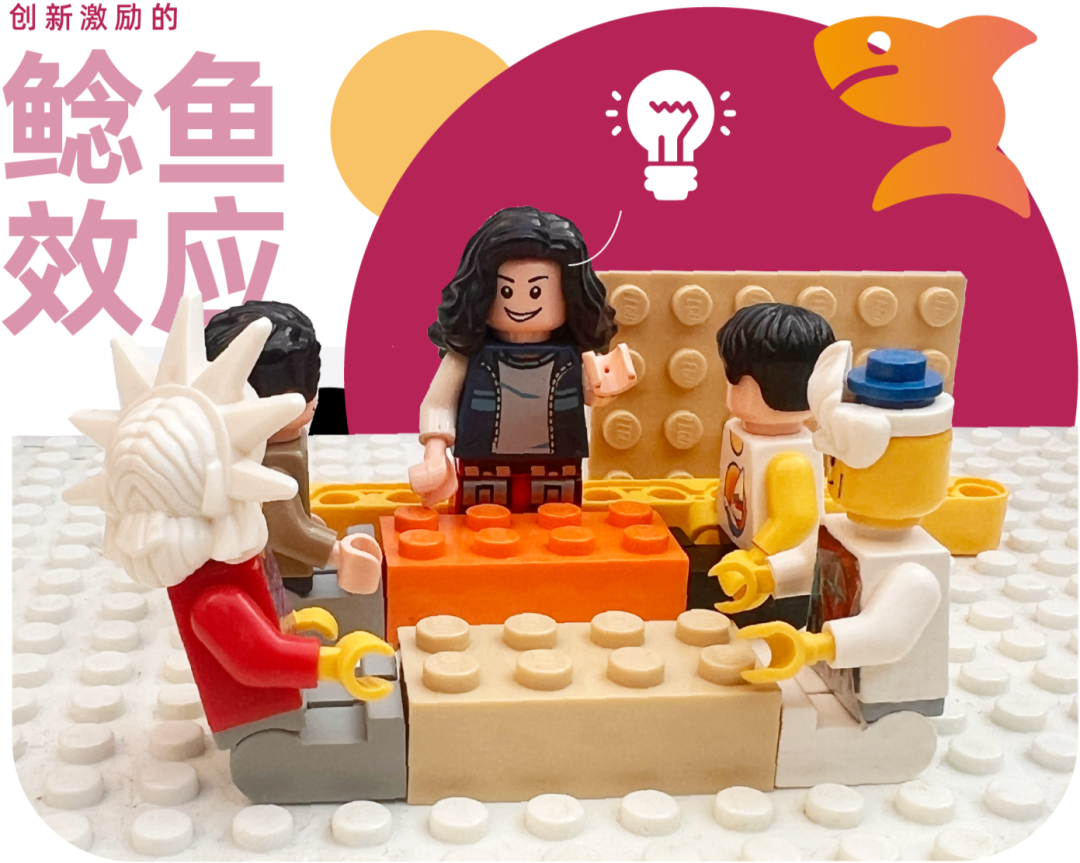
At the beginning of the project, China Bridge wanted to sharpen the pharmaceutical team’s innovation instincts. A deliberately diverse group of participants was therefore assembled, combining both external perspectives and internal expertise to strengthen the innovation process. But after reviewing the initial participant list, China Bridge noticed something: Almost everyone involved was an experienced professional. Experience is a double-edged sword. Experienced participants can inspire one another, but when everyone operates from established assumptions, truly disruptive ideas can still be difficult to generate. This led China Bridge to introduce an unexpected element: a group of young “extreme users” who could act as innovation catalysts — a “catfish group.” University and postgraduate students with strong opinions about the product were invited into the process. On one hand, they filled a missing consumer life-stage perspective. On the other, they brought the fresh energy and worldview of Gen Z into the workshop. The proposal received strong support from the pharmaceutical team. And on the day of the workshop, the group of outstanding students from leading universities in Shanghai truly delivered the intended “catfish effect.” Their Gen Z perspectives activated new possibilities within the pharmaceutical team. Formats popular among younger audiences — such as short-form dramas, gaming, and comics — suddenly became imaginable as ways for a traditionally serious pharmaceutical brand to connect with consumers.
 

02 From Observer to Participant: Opening the Door to a New World
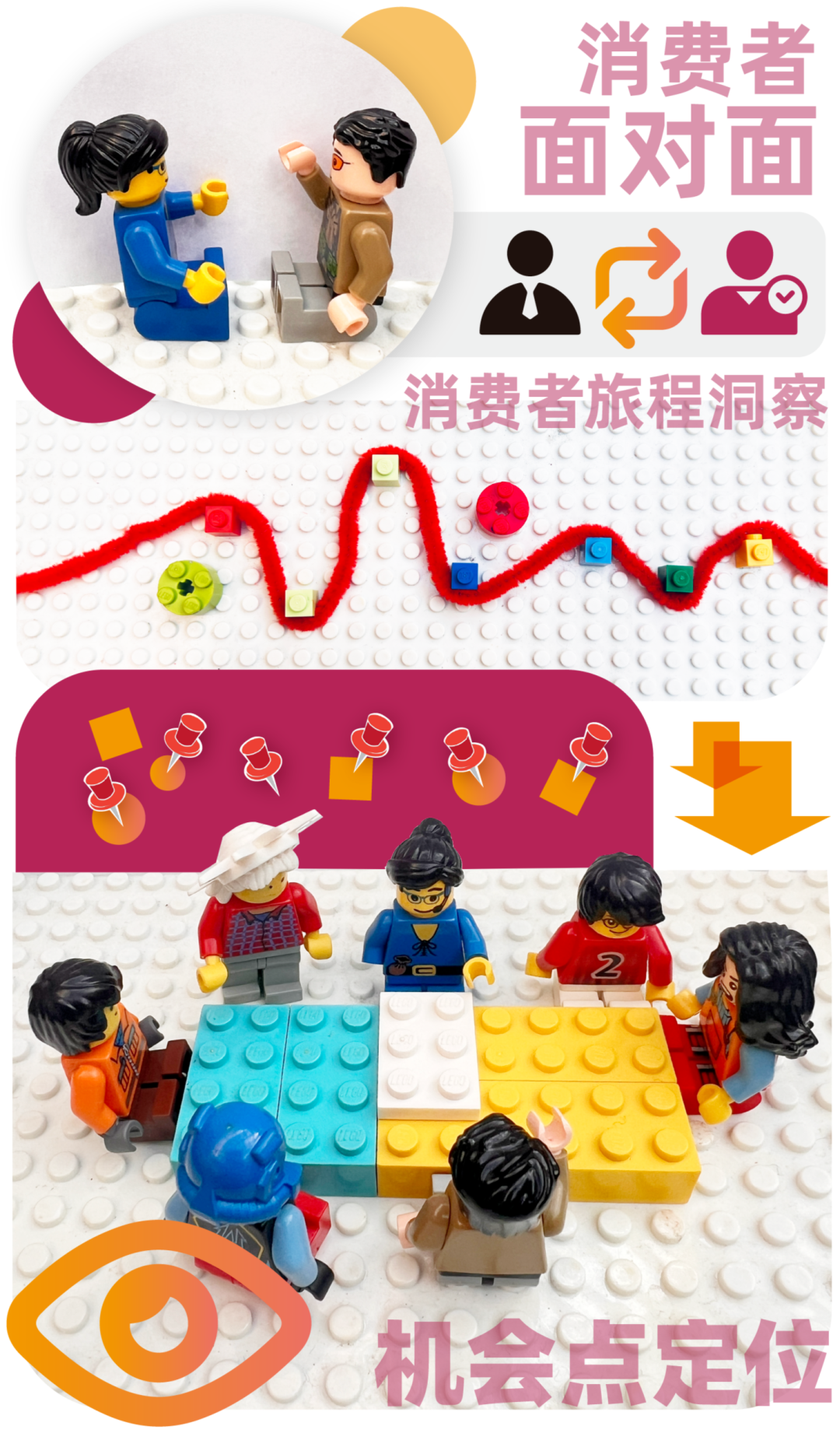
Through methods such as direct consumer conversations, consumer journey mapping, and the identification of insight-driven opportunity areas, the pharmaceutical team shifted from being observers to becoming active participants in the consumer experience. Instead of viewing the market solely through the company’s product perspective, they began examining needs from the consumer’s point of view. And that opened the door to an entirely different world. The team reflected: “We realized that across the consumer journey — from awareness, to purchase, to use, to loyalty — there are still so many unexplored areas of experience. We used to assume that consumers mainly cared about the safety and functionality of pharmaceutical products. But once we mapped the consumer journey in detail, we realized that consumers are also deeply influenced by the broader social meaning represented by a product, as well as numerous experience details and friction points throughout the journey. These factors have a much greater impact on consumer choice than we had previously imagined.”
 

03 From “Yes, But” to “Yes, And”: Reaching Alignment at Speed
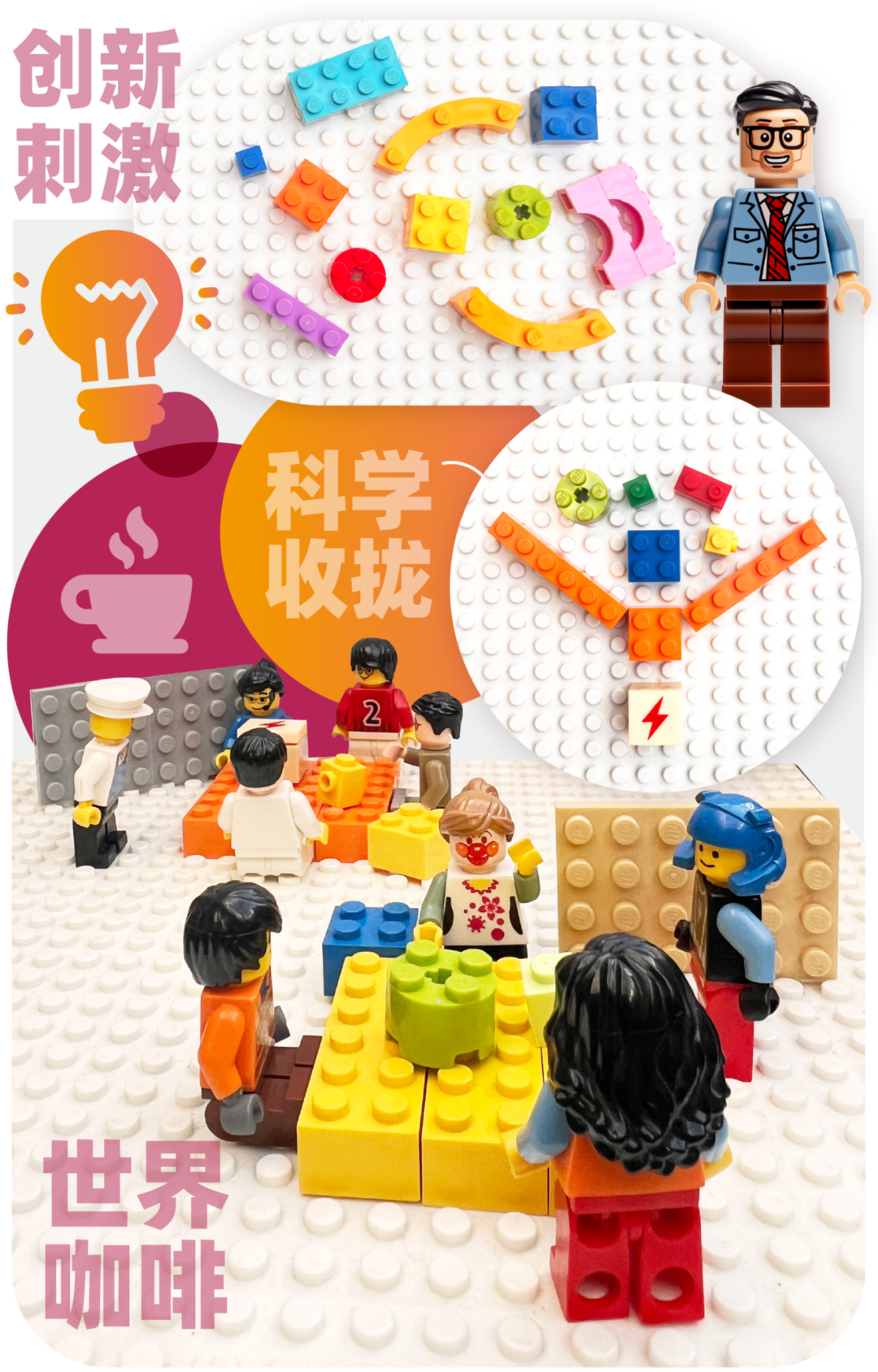
At the beginning of the co-creation process, the pharmaceutical team was still approaching consumers through the company’s traditional mindset. As a result, almost every new idea was met with a familiar response: “Yes, but…” And behind every “but” came serious concerns about compliance, feasibility, risk, and implementation. Those concerns were valid. But they also had a tendency to extinguish innovative ideas before they had the opportunity to develop. Very quickly, however, the team began to shift its mindset. Through diverse innovation stimuli, vivid case studies shared by experts from different industries, and rotating discussions in a relaxed, café-like environment, wild and unconventional concepts were first allowed to take flight — and were then repeatedly tested, debated, and refined into practical solutions. Within just half a day, the team came to an important realization: Innovation was not impossible. They simply had not imagined enough possibilities yet. “Yes” was no longer followed by “but.” It was followed by a continuous stream of “and.” Instead of saying: “I think we need to think about this more,” participants began saying: “We could do it this way — and we could also add this.” Each new idea was rapidly translated into something tangible and visible, enabling everyone in the room to react to it immediately. This dramatically shortened the cycle of information alignment and concept feedback. At this point, the seed of innovation had started to grow. The resulting concepts received strong alignment across different levels of the organization and eventually became an important focus of the company’s strategic communication. After hearing the final presentation, the president of the Fortune 500 pharmaceutical company commented: “In the past, we always tried to choose the safest and most compliant solution. But that also made it difficult for us to establish an emotional connection with consumers. Today’s workshop made me realize that there are many more ways to connect with consumers than we had imagined. I would almost like to see some of these concepts implemented tomorrow. This innovation project is only the beginning. I hope our team can truly master this methodology and use the power of consumer insight to strengthen our future.”  

A Strategic Shift — And the Journey Continues

 
Through the innovation workshop, the Fortune 500 pharmaceutical company began to unlock the possibility of transitioning from B2B toward B2C. Its executives were no longer confined by traditional approaches. Instead, they began using detailed consumer insights to rethink innovation pathways — moving from a distant corporate perspective toward genuine proximity with consumers. This approach — starting from the perspective of real consumers, re-examining the existing business, and exploring new opportunities — can continue to be reused across the organization. Over time, it can also become part of an organization-wide culture of innovation: using consumer insight as the starting point for solving problems and creating new possibilities. This was not simply an innovation exercise for a single pharmaceutical product. It was also a successful example of how a large B2B organization can begin transforming itself toward a B2C mindset. And finally, a few questions worth asking: Does writing research reports and collecting data mean you truly understand your users? Does it mean you can genuinely empathize with them? Do insights automatically translate into solutions? Do you really understand your consumers? Have you actually uncovered what they truly need? Connect with our co-creation team to uncover new opportunities for consumer engagement, make the strategic shift, and explore what comes next with China Bridge.