

China National Travel Service Group serves more than 30 million visitors every year and operates over 50 scenic destinations.
Two years ago, the company partnered with China Bridge to use service design to move tourism experiences beyond standardization and toward something far more valuable:
memorability.
The goal was to turn service itself into a competitive moat for the brand.
So the question became:
How can service design make 30 million visitors willing to pay not just for admission, but for the experience itself?
 The transformation was implemented through three steps.
STEP 1 | Build User Empathy
Move beyond KPI-driven thinking and design services from the visitor’s point of view.
STEP 2 | Co-Create Across the Organization
Bring headquarters and frontline teams together so that service standards are not only executable, but also something employees genuinely want to deliver.
STEP 3 | Turn Strategy into Tools
Condense complex service principles into a concise two-page service playbook, making the system simple enough to understand and practical enough to use.
From Framework to Action: Turning Service Ideas into Real Experiences
The service systems were further translated into practical initiatives that could be implemented across destinations.
Digital Pre-Trip Guide
Once a booking is confirmed, visitors receive a personalized digital guide.
This helps address the uncertainty and questions that often come with a first visit while also building anticipation before the journey begins.
Cross-Destination Service Integration
Joint tickets, transportation connections, cultural packages, and other integrated offerings connect individual attractions into a broader regional tourism ecosystem.
Small Signs, Bigger Stories
Simple interpretive displays add cultural and historical context to natural landscapes.
Visitors gain more to discover beyond the scenery itself, enriching the overall experience.
Personalized Services for Specific Visitor Groups
Tailored experiences were introduced for selected customer segments.
Service formats more commonly associated with hotels or commercial spaces were brought into natural attractions, creating an unexpected sense of exclusivity and occasion.
Innovative Service Case: “Wedding in the Sky”
At Detian Waterfall, part of the Nature & Culture product line, a bespoke wedding service was developed to transform the spectacular landscape into a wedding venue itself. The dramatic scenery along the China–Vietnam border was no longer simply a backdrop, but became a central element of the ceremony.
This truly one-of-a-kind romantic experience created unforgettable, high-value memories for both the couple and their guests — successfully turning service into a powerful source of brand resonance.
From Better Service to Stronger Brand Value
The service system did more than improve the visitor experience.
It also activated new energy within the organization.
Across different destinations, teams co-created more than 40 new service highlights and initiatives.
In the second half of the year, visitor satisfaction increased by more than 10% compared with the previous period.
The project therefore created value on two levels.
It improved customer satisfaction.
More importantly, it helped China National Travel Service Group build a differentiated competitive capability and accelerate its strategic shift:
from the ticket economy to the experience economy.
Service became part of the brand’s long-term value moat.
The core idea is simple:
A service system should make visitors willing to pay for the experience — not just for the ticket.
The transformation was implemented through three steps.
STEP 1 | Build User Empathy
Move beyond KPI-driven thinking and design services from the visitor’s point of view.
STEP 2 | Co-Create Across the Organization
Bring headquarters and frontline teams together so that service standards are not only executable, but also something employees genuinely want to deliver.
STEP 3 | Turn Strategy into Tools
Condense complex service principles into a concise two-page service playbook, making the system simple enough to understand and practical enough to use.
From Framework to Action: Turning Service Ideas into Real Experiences
The service systems were further translated into practical initiatives that could be implemented across destinations.
Digital Pre-Trip Guide
Once a booking is confirmed, visitors receive a personalized digital guide.
This helps address the uncertainty and questions that often come with a first visit while also building anticipation before the journey begins.
Cross-Destination Service Integration
Joint tickets, transportation connections, cultural packages, and other integrated offerings connect individual attractions into a broader regional tourism ecosystem.
Small Signs, Bigger Stories
Simple interpretive displays add cultural and historical context to natural landscapes.
Visitors gain more to discover beyond the scenery itself, enriching the overall experience.
Personalized Services for Specific Visitor Groups
Tailored experiences were introduced for selected customer segments.
Service formats more commonly associated with hotels or commercial spaces were brought into natural attractions, creating an unexpected sense of exclusivity and occasion.
Innovative Service Case: “Wedding in the Sky”
At Detian Waterfall, part of the Nature & Culture product line, a bespoke wedding service was developed to transform the spectacular landscape into a wedding venue itself. The dramatic scenery along the China–Vietnam border was no longer simply a backdrop, but became a central element of the ceremony.
This truly one-of-a-kind romantic experience created unforgettable, high-value memories for both the couple and their guests — successfully turning service into a powerful source of brand resonance.
From Better Service to Stronger Brand Value
The service system did more than improve the visitor experience.
It also activated new energy within the organization.
Across different destinations, teams co-created more than 40 new service highlights and initiatives.
In the second half of the year, visitor satisfaction increased by more than 10% compared with the previous period.
The project therefore created value on two levels.
It improved customer satisfaction.
More importantly, it helped China National Travel Service Group build a differentiated competitive capability and accelerate its strategic shift:
from the ticket economy to the experience economy.
Service became part of the brand’s long-term value moat.
The core idea is simple:
A service system should make visitors willing to pay for the experience — not just for the ticket.
The Industry Challenge: The “Invisible Ceiling” of Tourism Services
When visitors spend two hours waiting in line, cannot find a staff member when they need help, or discover that one destination feels almost identical to another, the service weaknesses of the tourism industry quickly become visible. Even as an industry leader, China National Travel Service Group faced similar challenges. No Memorable Experience Service standards were vague, making it difficult for visitors to remember what was distinctive about the brand. Inconsistent Delivery Destinations across the country often operated independently, making it difficult to replicate great service experiences at scale. A Disconnect from Real User Needs Traditional SOP-driven service processes could not fully respond to the more personalized expectations of segments such as families with children, wellness travelers, and other emerging visitor groups. In the next phase of tourism competition, the winners will be those that design the experience at a much finer level of detail.The Breakthrough: From Fragmented Services to a System
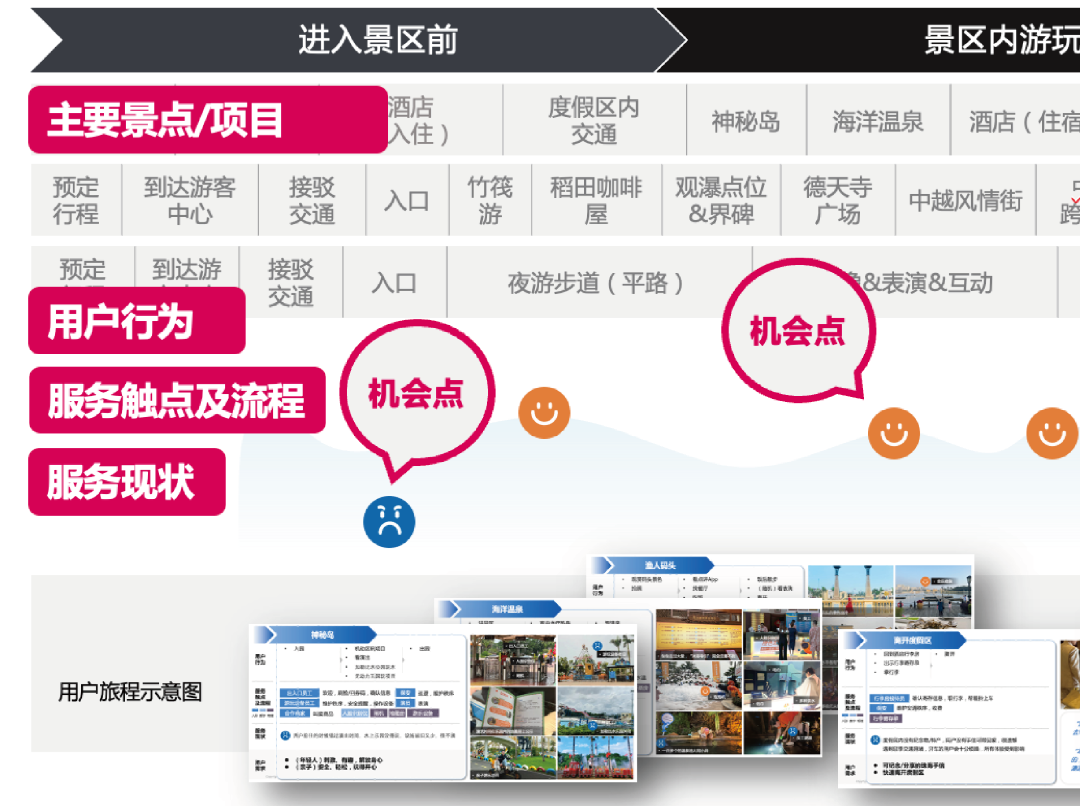
China Bridge worked with the China National Travel Service Group team to redesign two major product lines using service design methodology. Leisure & Resort Experiences The focus was on relaxation + social connection. The goal was to create emotionally resonant moments for families, friends, and other social groups. Nature & Culture Experiences Here, natural landscapes remained the core asset. But the experience was strengthened through greater immersion, exploration, and interpretation, making nature and culture something visitors could not only see, but truly feel and understand. The transformation was implemented through three steps.
STEP 1 | Build User Empathy
Move beyond KPI-driven thinking and design services from the visitor’s point of view.
STEP 2 | Co-Create Across the Organization
Bring headquarters and frontline teams together so that service standards are not only executable, but also something employees genuinely want to deliver.
STEP 3 | Turn Strategy into Tools
Condense complex service principles into a concise two-page service playbook, making the system simple enough to understand and practical enough to use.
The transformation was implemented through three steps.
STEP 1 | Build User Empathy
Move beyond KPI-driven thinking and design services from the visitor’s point of view.
STEP 2 | Co-Create Across the Organization
Bring headquarters and frontline teams together so that service standards are not only executable, but also something employees genuinely want to deliver.
STEP 3 | Turn Strategy into Tools
Condense complex service principles into a concise two-page service playbook, making the system simple enough to understand and practical enough to use.
Results: Service Capability Became a Brand Moat
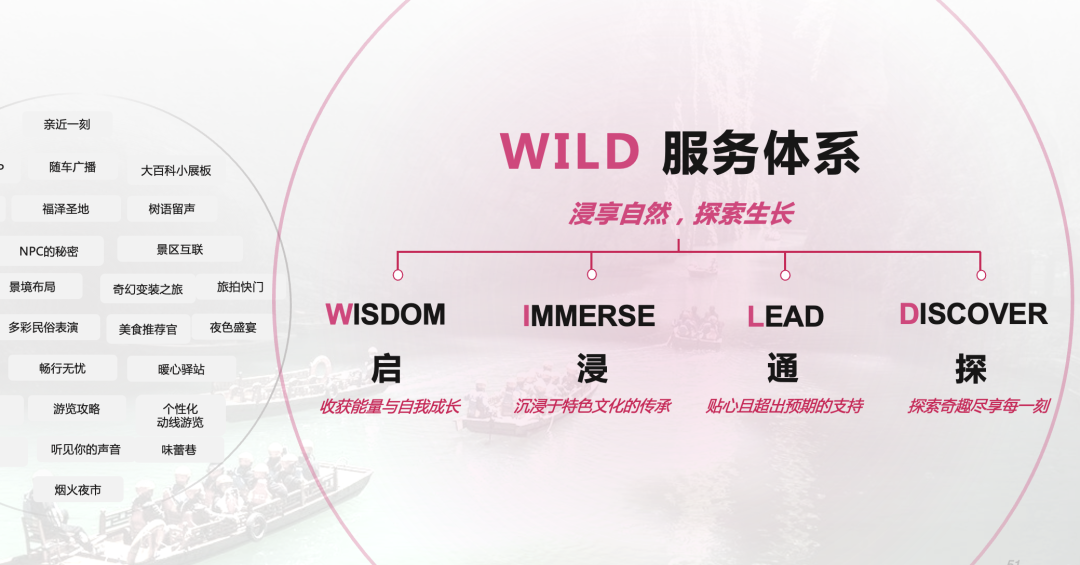
One Shared Language, Two Experience Engines The project turned scattered examples of good service into standardized, scalable systems and created two major experience frameworks. Leisure & Resort — The SOUL Service System A journey for the mind and emotions. Through surprise, choice, community, and connection, SOUL creates immersive emotional experiences that help guests relax, interact, and feel more deeply engaged. Nature & Culture — The WILD Service System A deeper journey into nature and exploration. From inspiration and immersion to guidance and discovery, WILD redefines the relationship between visitors and the natural world.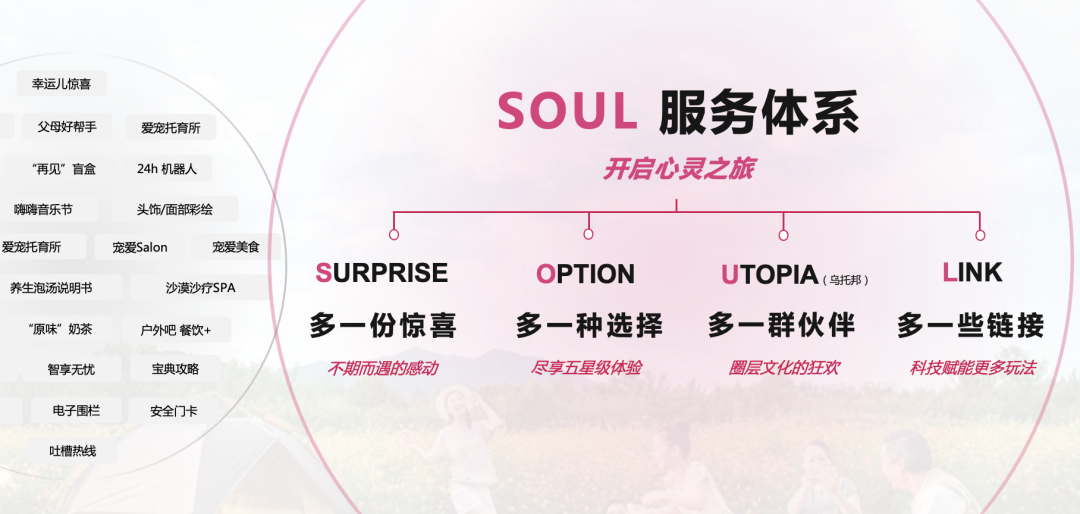
 From Framework to Action: Turning Service Ideas into Real Experiences
The service systems were further translated into practical initiatives that could be implemented across destinations.
Digital Pre-Trip Guide
Once a booking is confirmed, visitors receive a personalized digital guide.
This helps address the uncertainty and questions that often come with a first visit while also building anticipation before the journey begins.
Cross-Destination Service Integration
Joint tickets, transportation connections, cultural packages, and other integrated offerings connect individual attractions into a broader regional tourism ecosystem.
Small Signs, Bigger Stories
Simple interpretive displays add cultural and historical context to natural landscapes.
Visitors gain more to discover beyond the scenery itself, enriching the overall experience.
Personalized Services for Specific Visitor Groups
Tailored experiences were introduced for selected customer segments.
Service formats more commonly associated with hotels or commercial spaces were brought into natural attractions, creating an unexpected sense of exclusivity and occasion.
Innovative Service Case: “Wedding in the Sky”
At Detian Waterfall, part of the Nature & Culture product line, a bespoke wedding service was developed to transform the spectacular landscape into a wedding venue itself. The dramatic scenery along the China–Vietnam border was no longer simply a backdrop, but became a central element of the ceremony.
This truly one-of-a-kind romantic experience created unforgettable, high-value memories for both the couple and their guests — successfully turning service into a powerful source of brand resonance.
From Framework to Action: Turning Service Ideas into Real Experiences
The service systems were further translated into practical initiatives that could be implemented across destinations.
Digital Pre-Trip Guide
Once a booking is confirmed, visitors receive a personalized digital guide.
This helps address the uncertainty and questions that often come with a first visit while also building anticipation before the journey begins.
Cross-Destination Service Integration
Joint tickets, transportation connections, cultural packages, and other integrated offerings connect individual attractions into a broader regional tourism ecosystem.
Small Signs, Bigger Stories
Simple interpretive displays add cultural and historical context to natural landscapes.
Visitors gain more to discover beyond the scenery itself, enriching the overall experience.
Personalized Services for Specific Visitor Groups
Tailored experiences were introduced for selected customer segments.
Service formats more commonly associated with hotels or commercial spaces were brought into natural attractions, creating an unexpected sense of exclusivity and occasion.
Innovative Service Case: “Wedding in the Sky”
At Detian Waterfall, part of the Nature & Culture product line, a bespoke wedding service was developed to transform the spectacular landscape into a wedding venue itself. The dramatic scenery along the China–Vietnam border was no longer simply a backdrop, but became a central element of the ceremony.
This truly one-of-a-kind romantic experience created unforgettable, high-value memories for both the couple and their guests — successfully turning service into a powerful source of brand resonance.
 From Better Service to Stronger Brand Value
The service system did more than improve the visitor experience.
It also activated new energy within the organization.
Across different destinations, teams co-created more than 40 new service highlights and initiatives.
In the second half of the year, visitor satisfaction increased by more than 10% compared with the previous period.
The project therefore created value on two levels.
It improved customer satisfaction.
More importantly, it helped China National Travel Service Group build a differentiated competitive capability and accelerate its strategic shift:
from the ticket economy to the experience economy.
Service became part of the brand’s long-term value moat.
The core idea is simple:
A service system should make visitors willing to pay for the experience — not just for the ticket.
From Better Service to Stronger Brand Value
The service system did more than improve the visitor experience.
It also activated new energy within the organization.
Across different destinations, teams co-created more than 40 new service highlights and initiatives.
In the second half of the year, visitor satisfaction increased by more than 10% compared with the previous period.
The project therefore created value on two levels.
It improved customer satisfaction.
More importantly, it helped China National Travel Service Group build a differentiated competitive capability and accelerate its strategic shift:
from the ticket economy to the experience economy.
Service became part of the brand’s long-term value moat.
The core idea is simple:
A service system should make visitors willing to pay for the experience — not just for the ticket.