Would you send your parents to a nursing home where even the color of the slippers has to be uniform?
Or one day, when you yourself grow old, would you be willing to live in a place like that?
This is not a joke.
China is rapidly entering a deeply aging society. Elderly care is no longer “someone else’s problem,” but a life issue that every family and every individual can no longer avoid.
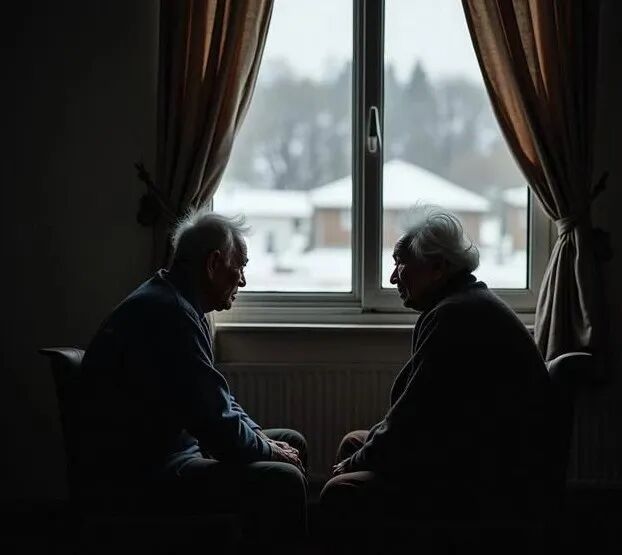
Take Shanghai as an example. As one of the cities with the most severe population aging in China, by the end of 2024, the number of registered residents aged 60 and above in Shanghai had exceeded 5.77 million, accounting for nearly 37.6% of the population. In other words, one out of every three people in Shanghai is elderly.
At the recent Shanghai International Exhibition of Senior Care, Assistive Devices and Rehabilitation Medicine, topics such as “age-friendly renovation,” “integration of institutional and home-based care,” and “integration of medical care and elderly care” became recurring keywords. The aging society is arriving faster and more urgently than we imagined.
At the same time, another set of data is worth reflecting on: there are now more than 8 million elderly care beds nationwide, yet the vacancy rate is close to half.
On one side, anxiety and rigid demand continue to rise. On the other, a large amount of care resources sits vacant. The problem is not “there is nowhere to live,” but “no one wants to live there.”
Late at night, in search bars, adult children keep typing the same keywords again and again: “safety,” “companionship,” “dignity”…
Behind these words lie the most real desires and anxieties of both the elderly and their families. Under the “9073” elderly care structure, 90% of seniors remain at home, 7% rely on community-based support, and only 3% choose elderly care institutions. Why would most families rather exhaust themselves providing care than choose an institution? It is not because services do not exist, but because there are too few places truly worth entrusting a loved one to.
The hardest part has never been finding a bed. It is finding a place that feels like home.
01 What Kind of Nursing Home Do Chinese Seniors Actually Need?
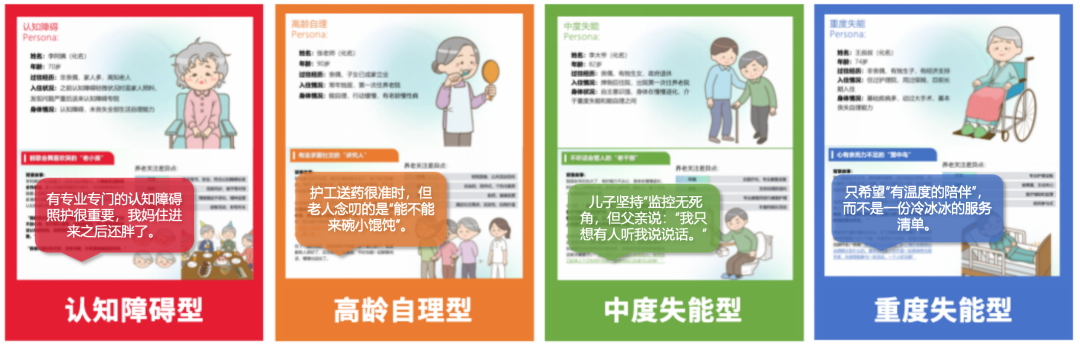
To better understand this question, together with Huixiangfu Elderly Care Group, we stepped into the daily lives of more than 40 different elderly people and their families. Among them were seniors with cognitive impairment, highly aged seniors who could still care for themselves, care recipients with severe disability, and moderately disabled seniors who still longed for social interaction.
We did not shut ourselves in a room, invent processes, and set standards out of thin air. Instead, we brought management, nursing home directors, and caregivers with us to listen, observe, and feel what seniors and their families were thinking, worrying about, and hoping for.
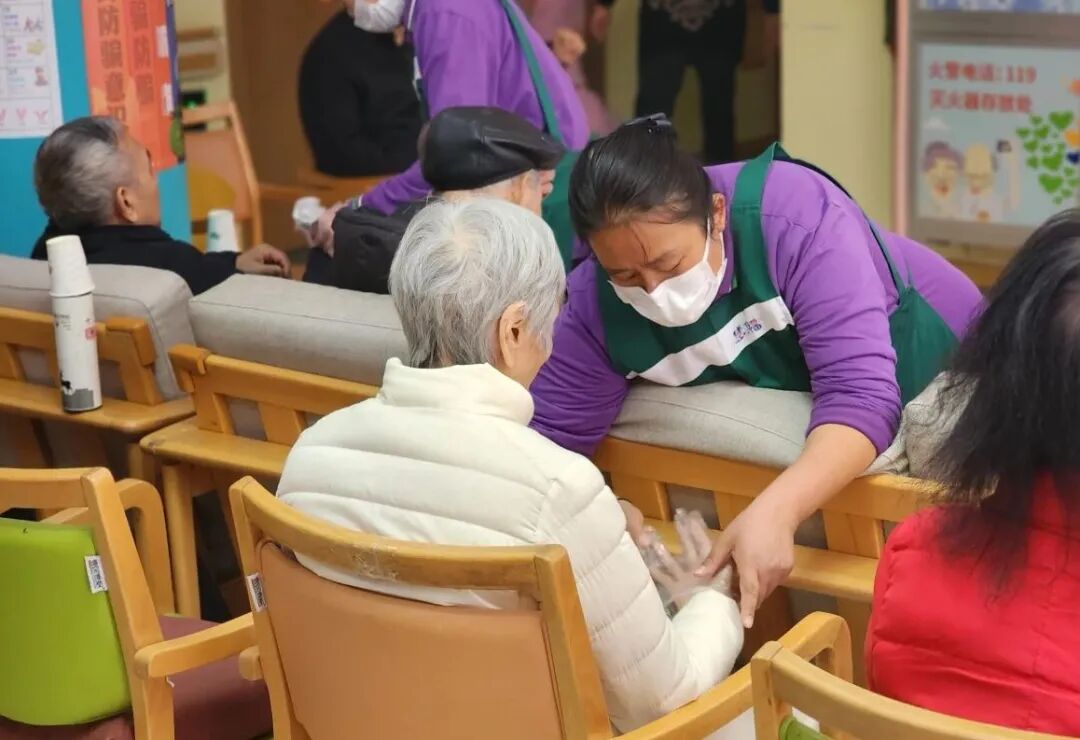
And so we heard many voices that had nothing to do with SOPs — Standard Operating Procedures:
“My mother said she hopes to find some old sisters to dance with.”
— What matters is not whether activity arrangements are complete, but whether there are familiar emotional connections.
“I don’t want to live in a ‘luxury prison’ where breakfast is at 7 a.m. and the lights go out at 9 p.m.”
— What matters is not whether daily routines are orderly, but whether each person’s rhythm of life is respected.
“Every institution looks like it offers the same service, but the real difference just depends on luck.”
— What matters is not whether there is a process, but whether someone can truly be understood and felt.
This made us realize something important:
What many elderly care institutions provide are “processes,” “systems,” and “care indicators.”
But what seniors truly need are companionship, freedom, and being seen.
Standardized processes are important. But if they lack warmth and responsiveness, service easily shifts from “companionship in life” to “procedural management.”
02 Does Doing More Elderly Care Services Mean Doing It Right?
Many elderly care institutions focus on process: caregiver ratios, SOPs, response mechanisms, institutional standards… These all look like the benchmarks of “good service.” But the more we spoke with seniors, the more we saw a harsh reality: no matter how much service is provided, if it does not land on the point that truly matters, and if it does not feel human, it will still ultimately become “a nursing home no one wants to live in.”
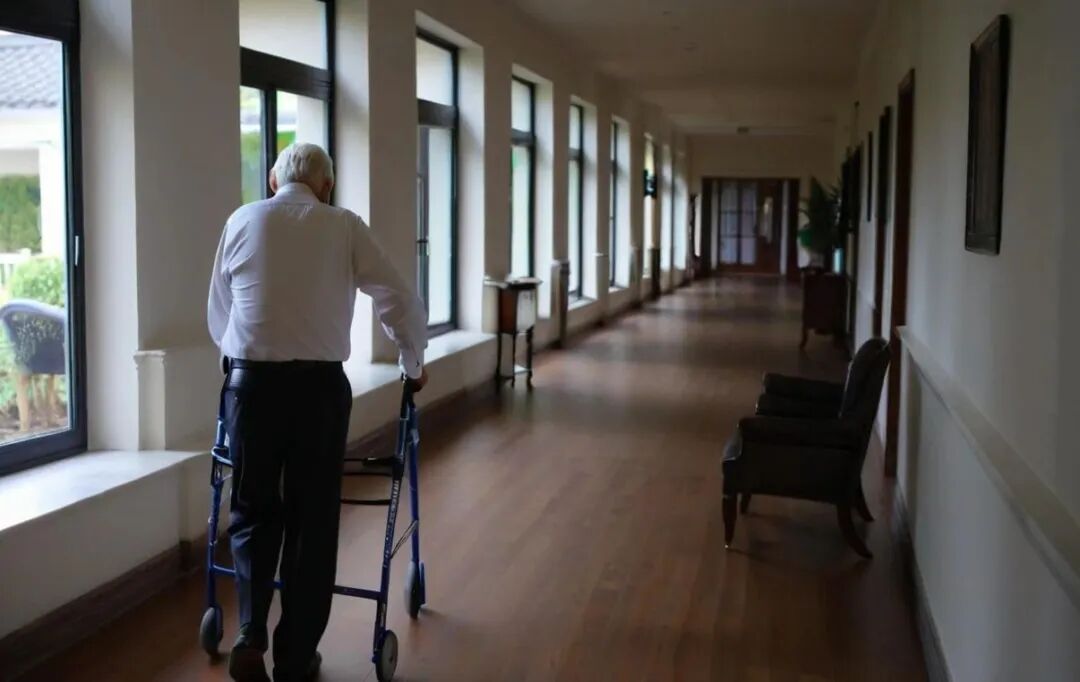
So what kind of underlying logic should a truly “trustworthy” elderly care service follow?
First, do not use process to manage life
Processes can improve efficiency, but they should not bind human nature.
Standard schedules, response times, care indicators… these are all important, but they often overlook the fact that the people being served are human beings, not machines.
No matter how precise the process is, if no one sits down to talk with you, you will still feel lonely.
No matter how standardized the service is, if your daily rhythm is uniformly controlled, it is hard to call that comfort.
Good service should not force seniors to adapt to a process. It should allow service to return to their rhythm of life, habits, and emotions. Do not let our parents spend their later years lonely inside a standard process that “looks like there is nothing wrong.”
Second, beyond standards, freedom is even more necessary
We have seen too many “uniform” life arrangements: breakfast at seven, exercise at eight, nap at nine… the day cut up with no flexibility at all. But even at the same age of eighty, some people love the liveliness of mahjong, while others simply want to sit quietly in the sun.
What seniors care more about is whether they still have a little autonomy:
- Can I choose for myself what I want to eat today?
- Can I decide whether I want to join the activity, instead of being “collectively arranged”?
- Is the caregiver willing to listen to me talk for a few more minutes, rather than just checking the task off and moving on?
Standards are not the problem. But service should not be reduced to only “standard answers.” Truly good service should leave room for freedom of choice while safeguarding the baseline.
Finally, do not rely on luck — rely on a system
We have all heard comments like this: “That nursing home is nice — Auntie Wang there is especially attentive!”
But the problem is: what if Auntie Wang gets transferred? What if the night shift changes?
Truly reliable service cannot depend on “happening to meet a good person.” It must depend on a system:
there must be methods
there must be standards
it must be trainable
it must be assessable
Different employees and different institutions should still be able to deliver a similar good experience.
Good service should not be an individual flash of rare personal talent. It should be the stable output capability of the entire organization. Only in that way can seniors and families feel the same peace of mind regardless of which institution they are in or which caregiver they meet.
03 Starting from the Heart: Renewing the Elderly Care Service System
Based on the in-depth user research and insights in the early stage, China Bridge and Huixiangfu launched multiple rounds of co-creation. Starting from the warm details scattered throughout frontline service, we systematically sorted, extracted, and elevated them, and ultimately built a sustainable, implementable, and replicable elderly care service system.
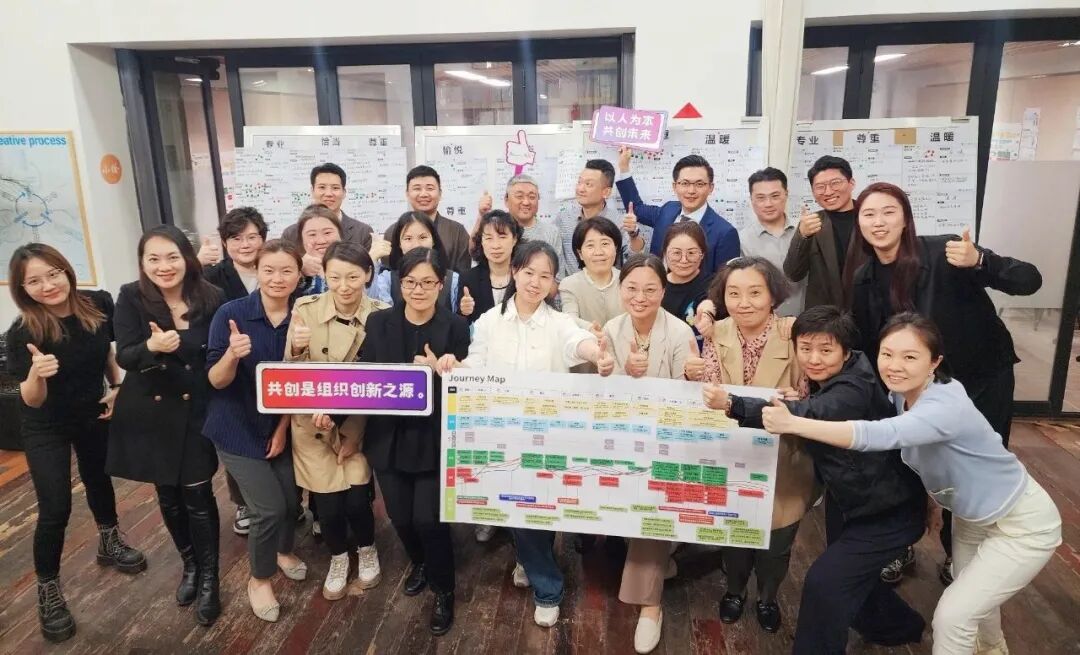
This process did not happen overnight. Rather, through repeated interviews and on-site observations, three paths gradually became clear: from understanding the differences of each person, to articulating the brand’s service language, to truly integrating warmth into everyday operations.
Distinguishing user types → responding to “the uniqueness of each person”
We often say, “The elderly are not one group, but many people.”
At the beginning of the project, China Bridge helped Huixiangfu sort through the differentiated needs behind different seniors — from physical condition to psychological state, from eating habits to social preferences — and ultimately built a key matrix of “user type × service needs.”
Through the clarification of user profiles, the institution was not only better able to understand “who needs what,” but was also pushed internally toward layered, graded, and truly appropriate care solutions.
Building a service system → making good service speakable and resonant
Huixiangfu already had many moving “service bright spots” — such as encouraging self-care instead of taking over, a small kitchen that could accommodate personal tastes, and everyday listening and companionship. But in the past, these moving moments often depended on “employee self-awareness” and remained “hidden inside positive reviews,” lacking unified extraction and expression.
Focusing on the key touchpoints of the user journey, and working together with frontline staff, we extracted five major service keywords:
- Happy
- Expertise
- Appropriate
- Respect
- Tender
Together, these formed the HEART cultural service system.
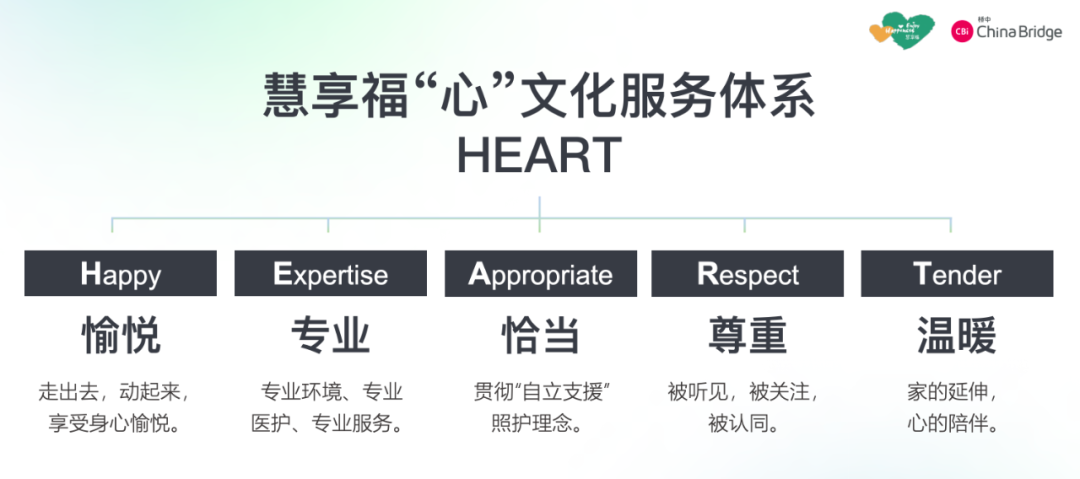
This is not merely a slogan of values. It is a language of service that turns “warmth that can be felt” into “standards that can be clearly expressed,” and also becomes Huixiangfu’s strongest brand anchor within the industry.
Refining service standards → making good service deliverable and developmental
Once the system exists, the key is how to make service “doable” and “stable.”
We broke the system down into 15 core service scenarios, and developed training mechanisms, experience observation tools, and a “Heartlight Employee” selection program, encouraging the organization to cultivate service culture from the behavioral level upward.
From “good caregivers depend on luck,” to “everyone can deliver warmth,” this is a true transformation from isolated moving moments to institutionalized capability.