A single sentence sums up OPPO’s market performance over the past year:
They lowered the price of foldable phones, while elevating the standard for services.
Imagine buying a phone for ¥7,000 and reselling it for ¥13,000.
Even during the peak of iPhone scalping, such numbers would be unheard of. Could this happen with OPPO?
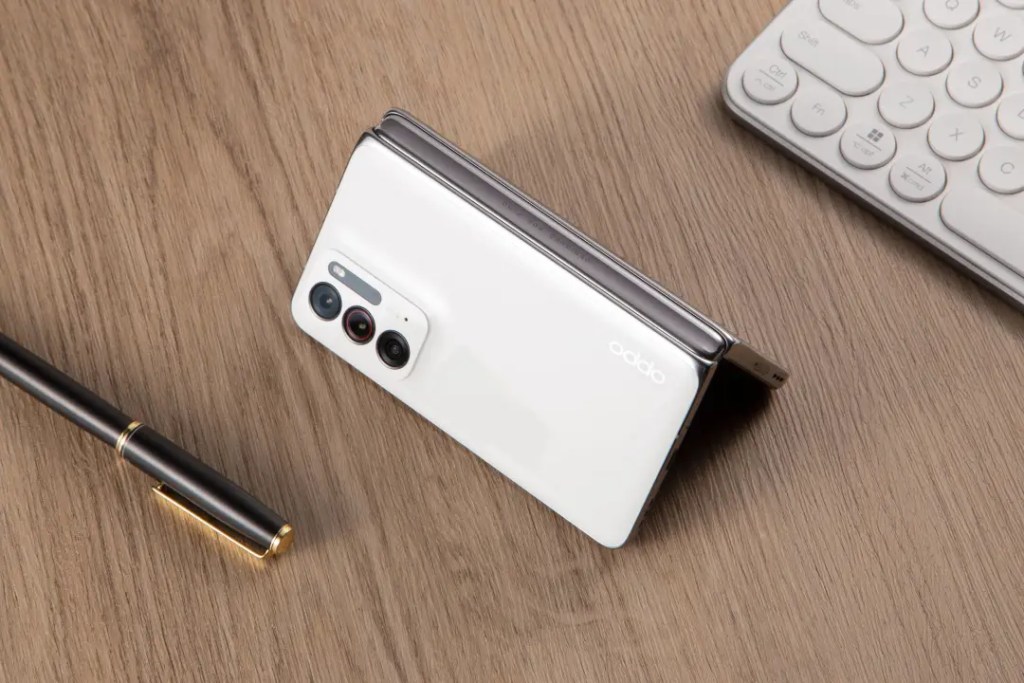
Last year, a major shake-up hit China’s high-end smartphone market when OPPO’s Find N launched in the foldable flagship space with an unprecedented price below ¥10,000. The phone became a bestseller.
But surprisingly, the NFT limited-edition gift box accompanying the Find N outshined the phone itself.
With only 100 sets available globally, the gift box sold out in 1 second. On second-hand platforms, buyers were offering up to ¥13,000 for an unopened set.


What kind of phone gift box commands such a premium?




Inside the box were digital art collectibles:
- “The Secret of Dopamine”
- “Companion of the Solar Bloom”
- “Beethoven’s Stars”
- “Multiverse Armstrong”
- “Phoenix Sunrise”
Each buyer received a randomly assigned collectible, accompanied by a unique blockchain certificate of ownership.
This marked a significant shift for OPPO, known traditionally for its “music phones,” “camera phones,” or the slogan, “Charge for 5 minutes, talk for 2 hours.”
From dominating the mid-range market to making waves in the high-end segment, has OPPO’s transition been this seamless?
01 The High-End Trap
Following Huawei’s retreat, China’s high-end smartphone market entered a period of intense competition. OPPO seized the opportunity to embark on its idealistic journey into premium territory.
While OPPO’s self-developed MariSilicon chip carved a unique technical identity, its premium services for high-end products were unfamiliar terrain.
The challenge with “high-end” as a strategy is that it’s an undefined, ambiguous term, closely tied to vague user expectations. Many companies either over-rely on flashy moves or haphazardly layer features without understanding the underlying value, often falling into a cycle of exhaustive competition.
Take OPPO’s earlier efforts:
Leveraging its strong offline channels and solid reputation for service, OPPO invested heavily in a series of exclusive high-end services. However, the returns were minimal, leaving user preferences for high-end services unclear.
As OPPO Vice President and China President Liu Bo noted:
“If premium features alone made a phone high-end, then anyone could do it.”

What Do High-End Users Really Want?
When the word “high-end” is overused, how does it truly connect to user needs?
This is where CBi China Bridge came in, collaborating with OPPO to decode the core drivers behind high-end services and design user experience-focused solutions.
02 Decoding the User Mindset
Why does someone with a ¥7,000 budget buy three mid-range phones over three years, while another insists on a high-end phone every three to four years?
What fundamentally separates high-end users from mid-range users in their expectations for smartphone services?
Immersive User Research
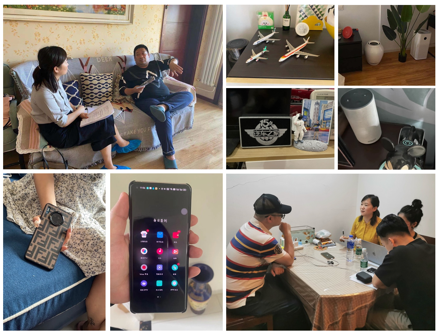
CBi conducted in-depth home visits and immersive lifestyle observations across key cities such as Beijing, Nanjing, Changsha, and Chengdu. These cities were chosen to represent varying regional and consumer demographics.
OPPO service team members from various departments participated in the process, ensuring alignment and immediate consensus through on-site and online discussions.
By engaging mid-range, high-end, and ultra-high-end users, CBi mapped their entire journey—from purchase to usage, after-sales service, and eventual replacement. This also included insights into users’ preferences in other industries, their media consumption habits, and perceptions of brand tone.
Key Insights: The Role of Smartphones in Users’ Lives
- Some see phones as tools.
- Some see phones as toys.
- Some see phones as symbols.
- Some see phones as mediums.
For Tool-Oriented Users:
- This group avoids any time or energy loss caused by smartphone services.
- Their key requirements are concentrated in the early journey stages:
- Friendly customer service.
- Easily accessible service points.
- Transparent repairs.
- Complimentary benefits.
For them, services should avoid tarnishing the product experience—this mindset is prevalent among mid-range users.
For High-End Users:
- Services must enhance the product, becoming integral to its appeal.
- Their focus lies in the post-purchase stage:
- How services integrate into their lifestyle.
- How services reflect their identity.
These users value ongoing, personalized services that embed the product into their lives and showcase exclusivity.
“I don’t know much about tech, but great service makes me feel connected.”
“Recognizing something new and meaningful excites me.”
Segmenting High-End Users into Three Personas:
- “Exclusive” Users: See their phone as a status symbol.
- “Caring” Users: View their phone as a connection medium.
- “Smart & Playful” Users: Treat their phone as a source of joy and exploration.


These personas informed a Service Experience Framework, identifying current service gaps and highlighting future opportunities.


03 Raising the Bar for Smartphone Services
To connect emotionally with users, OPPO integrated creative, lifestyle-driven experiences into its service offerings:
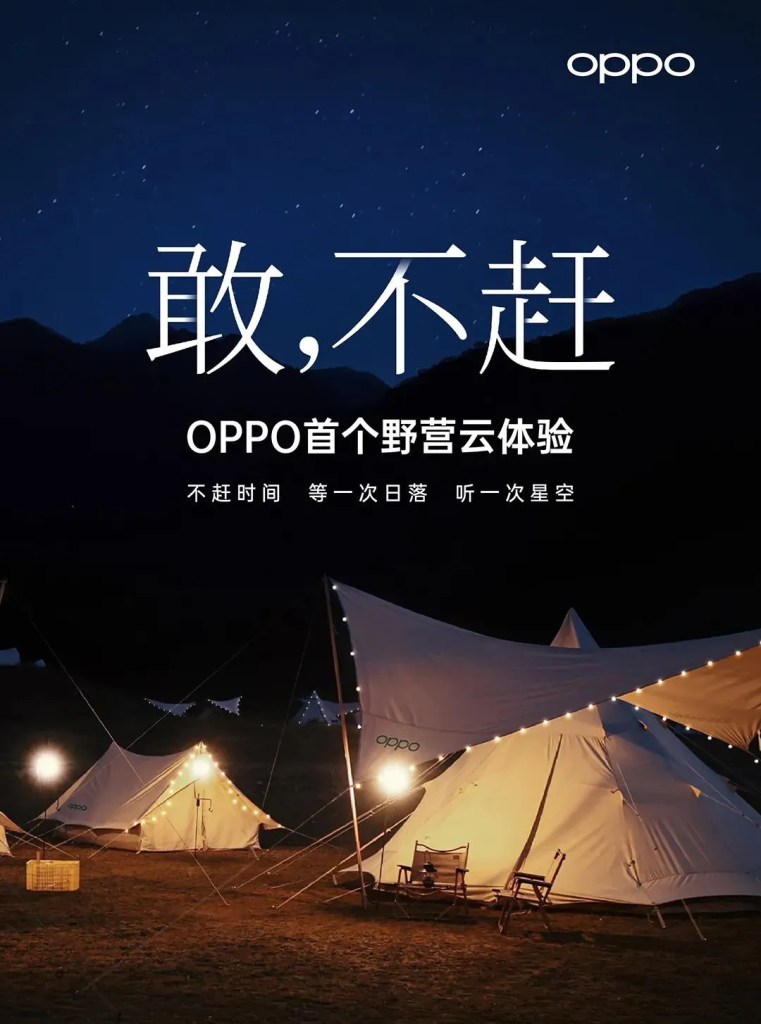
- Cloud-Based Camping Experiences: Virtual but immersive community engagement.
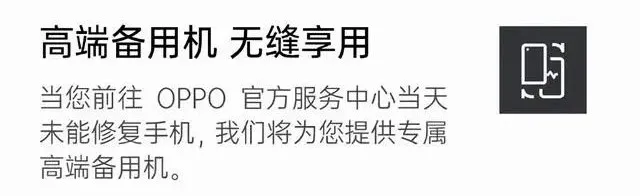
- Exclusive Repair Services: Loaner phones paired with a luxury tech-inspired packaging experience.
Market Validation
While Huawei warned of a “Winter is Coming” for smartphones in 2022, OPPO’s focus on patience and user-centric strategies cemented its position in the high-end market.
- The Find N Foldable became highly sought-after, often out of stock.
- The Find X5 series solidified OPPO’s premium image.
- Reno8 series drove OPPO to lead the Chinese smartphone market, with 22.4 million units shipped in the first half of 2022 (CINNO Research).


Heart of a Tiger, Touch of a Rose
From product innovation to service excellence, the high-end smartphone market is a competition of comprehensive capabilities. Success lies in balancing bold ambition with thoughtful execution—grounding idealism in user needs while reaching for the stars.