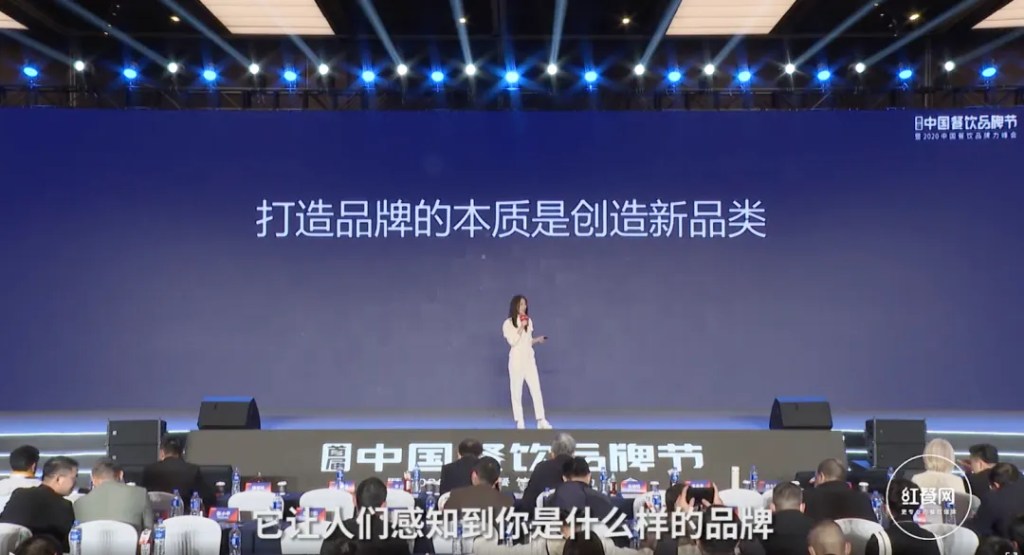
But staying at the top isn’t easy.
Over the past seven years, Tan Yu’s success has attracted countless competitors. The grilled fish category, already a niche market, has been further subdivided. Many competitors have directly copied Tan Yu’s formula.

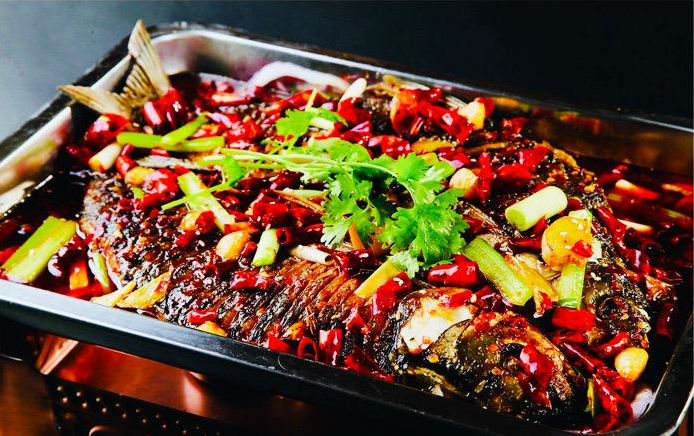
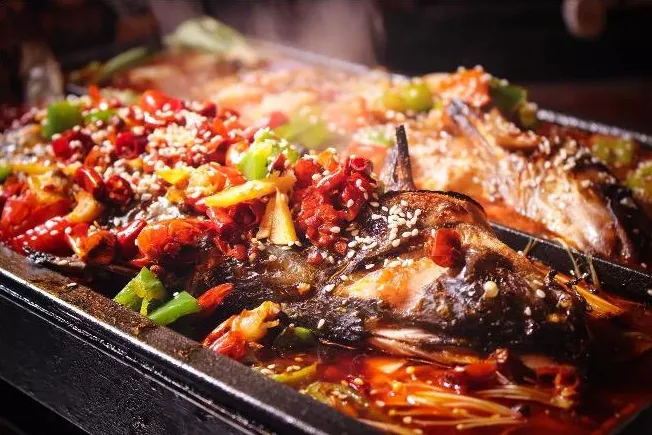 Adding to this challenge, the post-pandemic era has brought changes to lifestyles and dining habits. Generation Z is gradually replacing Millennials as the main consumer group…Facing crises ahead and competitors behind, Li Pinxi now confronts a new question:
What is the moat of the Tan Yu brand?
Only by answering and defining this question well can Tan Yu ensure it continues to lead in the future.
Capturing the “Flavor” of Young People
Tan Yu’s early success stemmed from its ability to resonate with young people at the time. Many recall their student days spent on bustling food streets near campus, where the literary vibe of youth intertwined with the grassroots charm of local eateries.
Dubbed the “most artistic grilled fish restaurant,” Tan Yu perfectly extended this nostalgic memory for young adults entering society while catering to their desire for upgraded consumption experiences.
However, seven years later, a new generation of young consumers has become the main dining demographic. Their upbringing differs significantly from their predecessors.
- Do they still value the artistic grassroots vibe?
- What are their new characteristics?
- What does Tan Yu represent in their eyes?
- What kind of dining experience do they prefer?
The restaurant industry heavily relies on experience.
When Tan Yu collaborated with CBi China Bridge, both teams agreed that Tan Yu’s moat must be rooted in customer in-store experiences.
To redefine Tan Yu’s brand experience, the following questions needed answers:
- Who are today’s young consumers?
- In what scenarios should Tan Yu be remembered in the future?
- What experiences must be delivered to leave a lasting impression?
- How should these experiences be designed?
01 It All Starts with the User
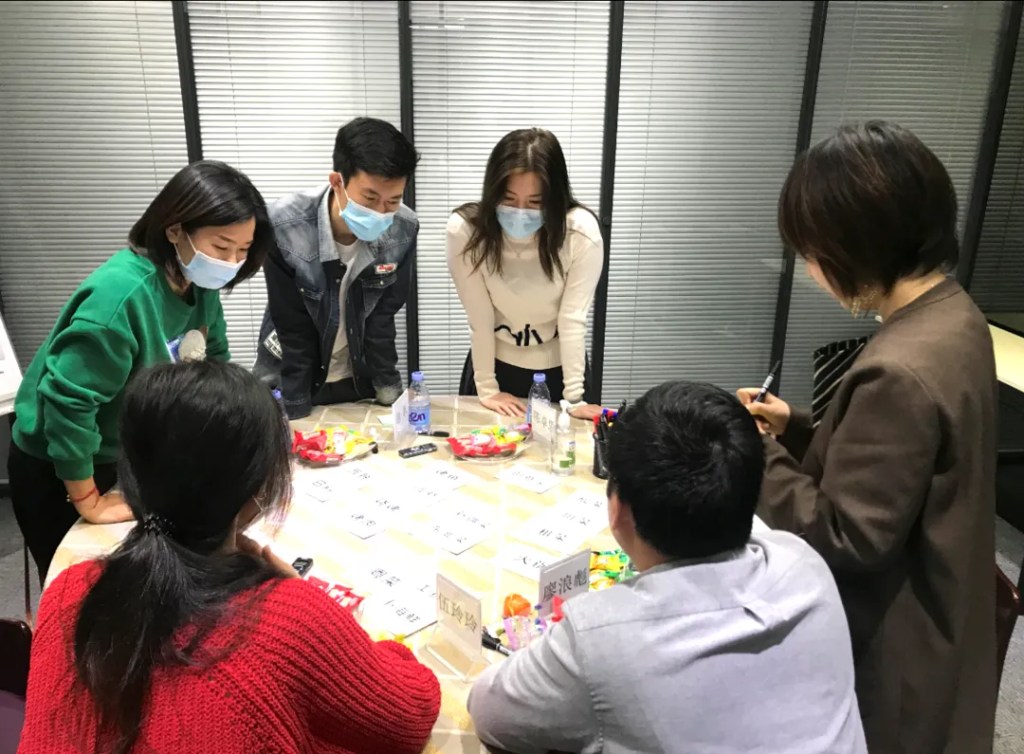 Focus Groups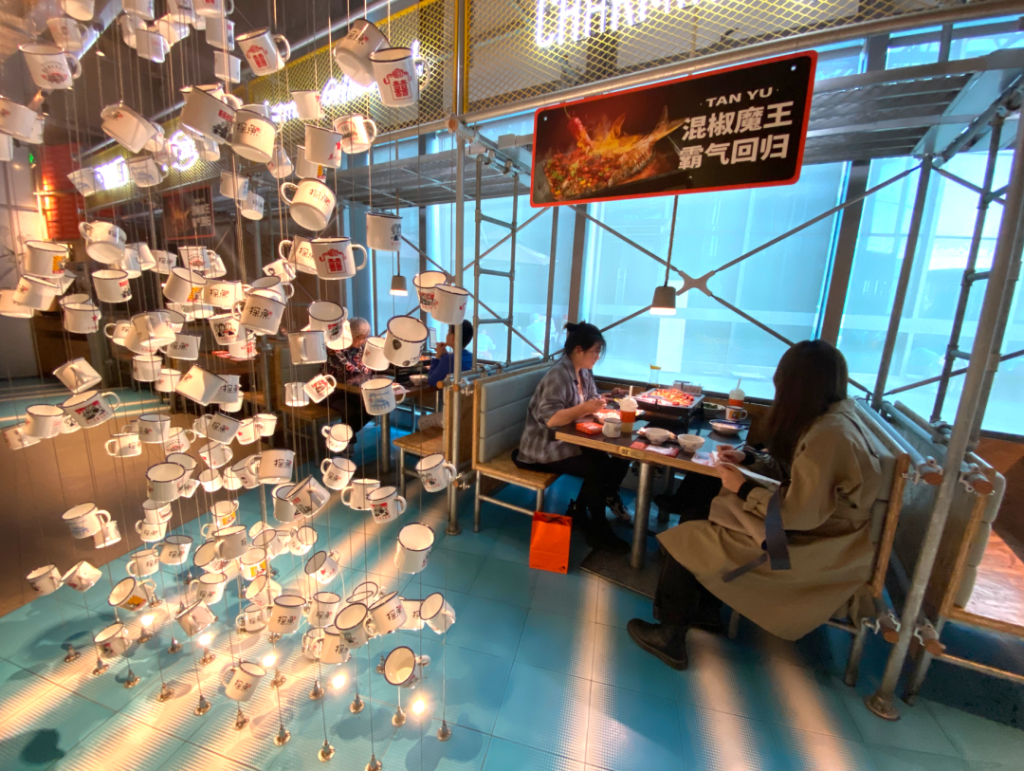
“When eating grilled fish, you usually end up sweating profusely, and it’s not the most flattering experience. For formal occasions or dining with unfamiliar people, I wouldn’t choose grilled fish. I’d only go with close friends to relax and have fun.”
Through multiple user interviews, the team identified the key scenario needs of their target audience. Tan Yu customers choose the restaurant to enjoy an extremely relaxed state—shedding all pretense to freely converse with friends and family, releasing the stress of daily life.
The confirmation of this scenario-driven need led to defining “release” as the core keyword for crafting in-store experiences at Tan Yu. Based on this, they established experience principles, dissected the current customer journey, diagnosed inconsistencies with these principles, and analyzed the root causes.

02 Building Around User Experience
Dining traditionally follows a structured script: seating, ordering, serving, eating… everything is routine. But users come to Tan Yu to “release”—where’s the excitement?
The solution is to break the script and amplify the sense of occasion!
Through research, the team discovered that the moment just before the food arrives is the emotional peak of anticipation. This high point deserves to be celebrated.

Concept 1: The “Ultimate” Dramatic Dish Presentation
- Open the pot, pour the wine, and ignite the flames. The aroma of wine and crispy fish skin fills the air, heightening the senses and emotions.
Concept 2: A Luxurious DIY Dessert Experience
Tan Yu’s signature ice jelly dessert has always been popular, but it was previously reserved for members and only served in small portions. Customers who missed out were disappointed, while those who tried it often wanted more.
Post-project, this dessert was upgraded into a luxury self-serve ice jelly station, offering guests an ultimate sense of indulgence and satisfaction.
Of course, these are just some of the project’s many outputs. A great dining experience isn’t defined by just one ritual or touchpoint but by an integrated journey involving processes, ambiance, visuals, space, and interpersonal interactions.
By focusing on six key moments and 18 critical touchpoints in the customer journey, the team developed and aligned on a series of service highlight concepts to reshape the brand experience.
Two months after the workshop, Tan Yu’s new LAB stores in Guangzhou and Shenzhen opened, incorporating several concepts from the sessions, including new space design strategies, service standards, and product categories.
The results? Overwhelmingly positive user feedback.
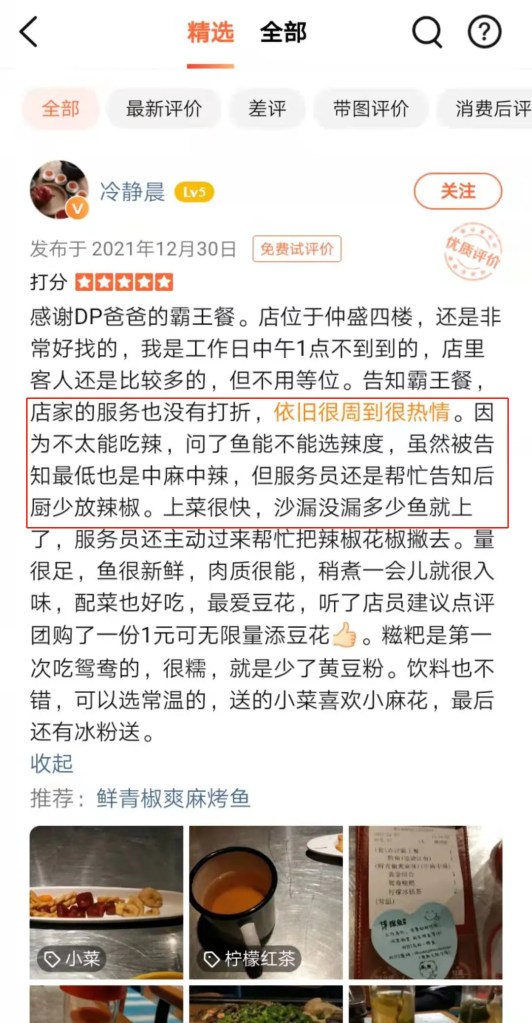
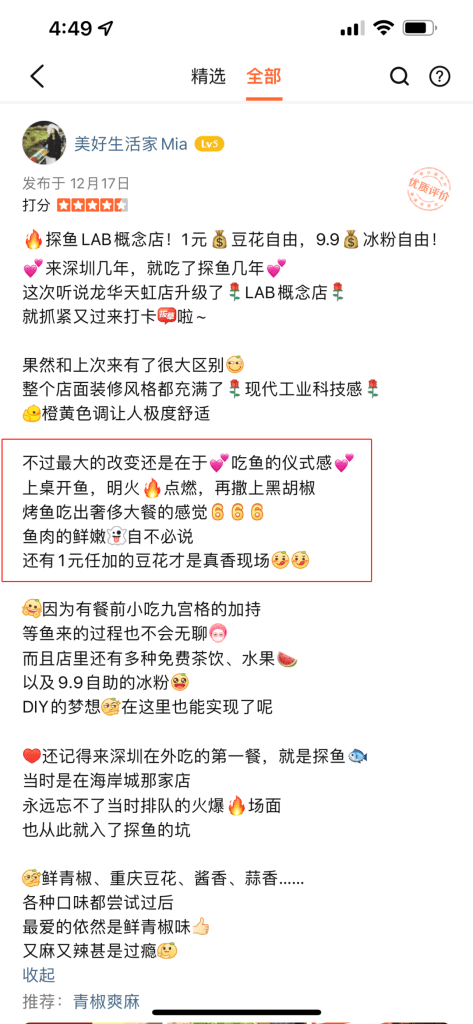
03 All for the “Flavor” of Young Customers
Why Was Implementation So Efficient?
- Cross-Department Collaboration
Each innovation concept was supported by cross-functional teams, including marketing, product, operations, branding, spatial design, visual identity, and tableware suppliers. Their shared understanding of customer needs reduced friction during implementation, enabling quick decision-making and heightened efficiency. - CBi’s Cross-Disciplinary Service Team
With expertise in concept development, service blueprints, and customer-centric strategies, CBi guided departments to collaborate effectively. By helping each team understand their contributions’ significance from the customer’s perspective, they ensured seamless execution.
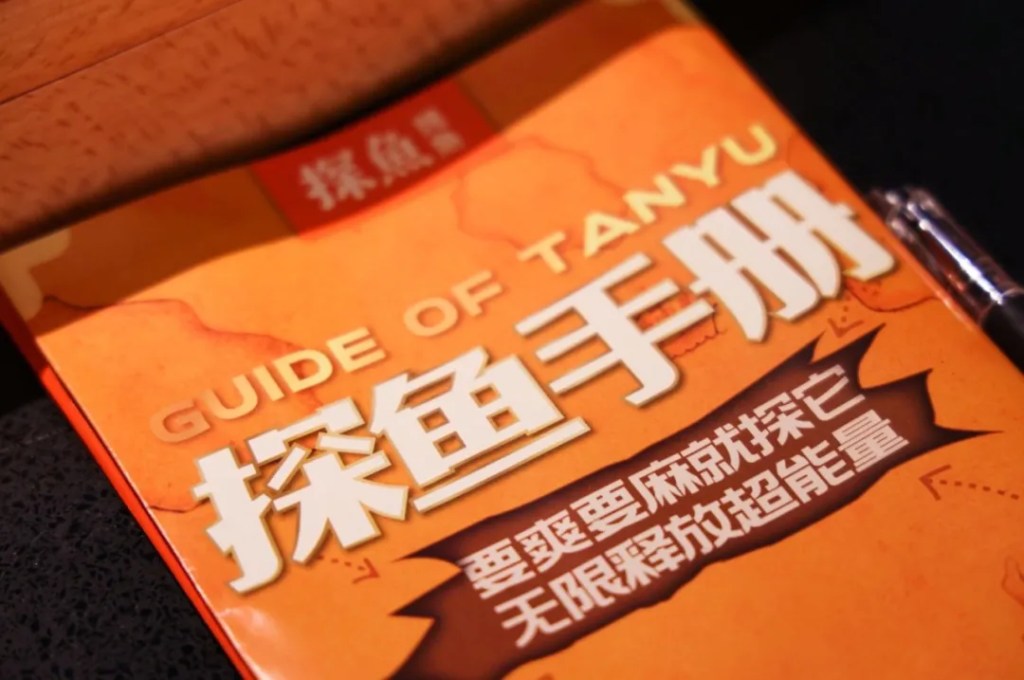
04 All for a Better Service Experience
Outstanding Results
- Shenzhen Longhua LAB Store: Opened with a 4.85/5 rating on Dianping within its first week, ranking #2 among Sichuan cuisine restaurants citywide and #1 in Longhua for popularity, service, and taste.
- Guangzhou Tianhe LAB Store: Achieved #1 on Tianhe District’s Sichuan cuisine rankings.
- NPS Survey: Scored 67.67%, 40% higher than a 2018 survey by Shenzhen Consumer Council.
Tan Yu has since expanded the new service experience to additional stores, with plans for nationwide rollout.
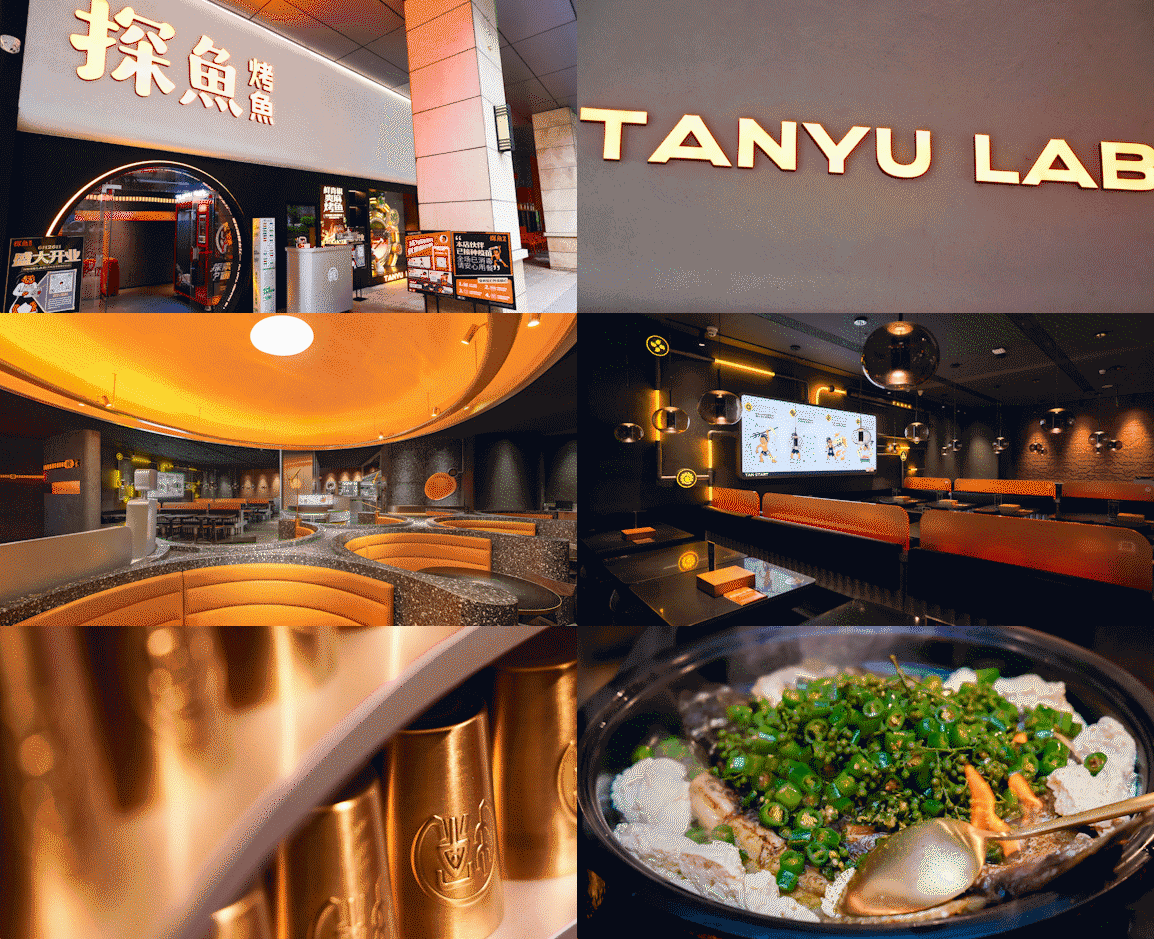 Tan Yu has continued implementing its new service experience in select stores and is planning a nationwide rollout.Building a brand’s moat isn’t just about crafting slogans or running marketing campaigns—it’s about elevating the comprehensive experience. This holds true not only for the restaurant industry but for other sectors as well.
“Comprehensive experience is my ultimate goal,” said William Li, founder of NIO. “In certain aspects, others might outperform us. But when you consider the integration of technology, services, NIO Life, and our user community, who does it better than us? It’s not easy to surpass us in this area.”
Source: “Conversation with William Li: There’s No ‘One-Trick Wonder’ in the Automotive Industry—It’s About Comprehensive Experience and Systematic Efficiency.”
Thanks to the NIO team’s efforts, the comprehensive experience has become NIO’s moat. Returning to the challenge faced by Li Pinxi mentioned earlier, the restaurant industry is even more competitive, with resources and creative ideas flowing rapidly. For Tan Yu, creating a comprehensive experience will be key to establishing its brand moat.
China’s retail market has become a gold rush of sorts, with players aggressively transforming, entering new sectors, or emerging out of nowhere, creating a dynamic, competitive landscape reminiscent of the Spring and Autumn Period’s warring states.
In reality, a “one-trick wonder” might help you gain a short-term lead. But building a brand is a marathon, and delivering an impressive comprehensive experience for your target audience is the ultimate key to success.