01. A New Player in the Pharmacy
On Shanghai’s Huaihai Middle Road, a local pharmacy is turning heads with an interactive storefront. Pause for a few seconds in front of its display, and a camera-equipped screen provides real-time insights into your heartbeat, stress level, emotional state, and even your perceived age.
Step inside to the third floor, and you’ll find hospital-grade services: weight measurements, blood pressure monitoring, arterial screenings, eye examinations, and pulmonary function tests.
This innovative concept is the MMC Health Convenience Store, jointly launched by OMRON Healthcare and the pharmacy. Equipped with professional-grade devices found in top-tier hospitals, MMC stores offer free health assessments for conditions such as hypertension, arterial stiffness, diabetes, and chronic obstructive pulmonary disease (COPD).

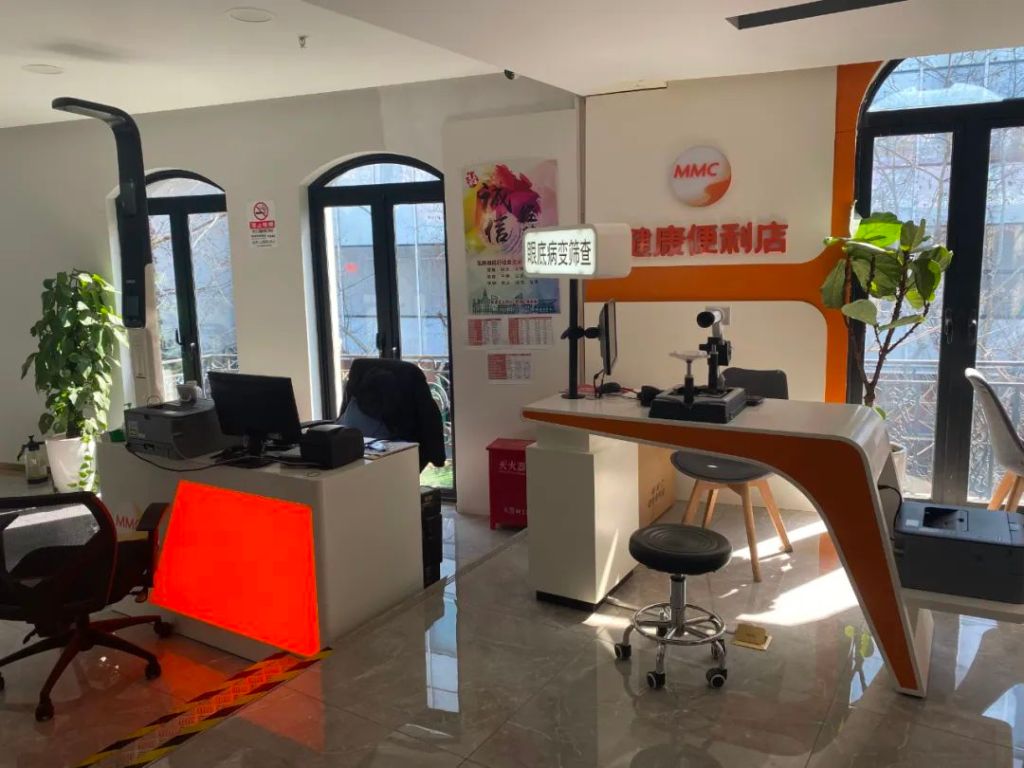
02 Why Chronic Disease Management?
China faces a significant health challenge, with over 260 million people living with chronic diseases such as cardiovascular disease, cancer, respiratory illnesses, and diabetes. These four conditions account for over 80% of global chronic disease-related deaths and are the leading cause of mortality in China.
Timely monitoring, early detection, and intervention for chronic conditions are hot topics in the healthcare sector.
OMRON has long supplied hospitals with metabolic disease management equipment. Recognizing the growing demand for chronic disease management in China, OMRON saw an opportunity to transition from selling products to delivering integrated services.
OMRON’s vision is to establish a comprehensive chronic disease monitoring ecosystem across hospitals, pharmacies, workplaces, and homes.
By integrating MMC centers in hospitals, MMC stores in communities, and MMC hubs in workplaces, OMRON aims to connect data across these touchpoints through a unified platform. This ecosystem would guide patients through healthcare decisions, treatment, and medication purchases while creating synergies across B2B and B2C scenarios.
Since launching its first MMC store in Chongqing in October 2019, OMRON has opened nearly 100 locations across China, expanding from tier-one cities to tier-two and tier-three markets.
Despite OMRON’s ambitious vision, MMC stores have struggled to drive consistent foot traffic. Without a stable customer base, pharmacy partners have found it challenging to achieve profitability.
What went wrong?

03 A New Vision Needs a New Approach
When faced with these challenges, OMRON partnered with CBi China Bridge to identify the roadblocks and design actionable solutions.
Diagnosing the Problem
OMRON demonstrated a clear understanding of the chronic disease landscape and had established successful pilot projects. However, a disconnect existed between OMRON’s vision and its execution at the store level:
- Limited understanding of end-user needs.
- Lack of strategies to build sustained customer relationships.
- Inconsistent alignment between the vision, execution steps, and store realities.
Key Questions
CBi and OMRON identified critical questions to address:
- What is the step-by-step roadmap to realize the vision?
- Who are the key stakeholders, and how should roles and incentives align?
- Who are the target users, and what are their specific needs?
- What are the most pressing priorities for immediate action?

Co-Creation for Clarity and Alignment
CBi brought together stakeholders from OMRON’s internal teams, pharmacies, data platforms, and pharmaceutical companies. Through guided workshops, the group:
- Aligned on the strategic vision for MMC stores.
- Detailed the roadmap for execution.
- Developed tailored strategies for different pharmacy scenarios.
04 Bridging Vision and Strategy
Phased Roadmap
CBi proposed a three-stage roadmap to align OMRON’s long-term vision with practical steps:
- Phase 1: Build awareness and attract foot traffic.
- Define service models and experience standards for MMC stores.
- Connect health data between pharmacies, OMRON outlets, and homes via mobile apps.
- Phase 2: Strengthen user relationships and expand ecosystem connectivity.
- Enhance staff expertise in chronic disease management.
- Link data across diverse scenarios (companies, communities, clinics).
- Phase 3: Foster a win-win ecosystem.
- Integrate data from hospitals, pharmacies, workplaces, and homes.
- Collaborate with pharmaceutical companies, health platforms, and wellness brands to create a comprehensive service loop.
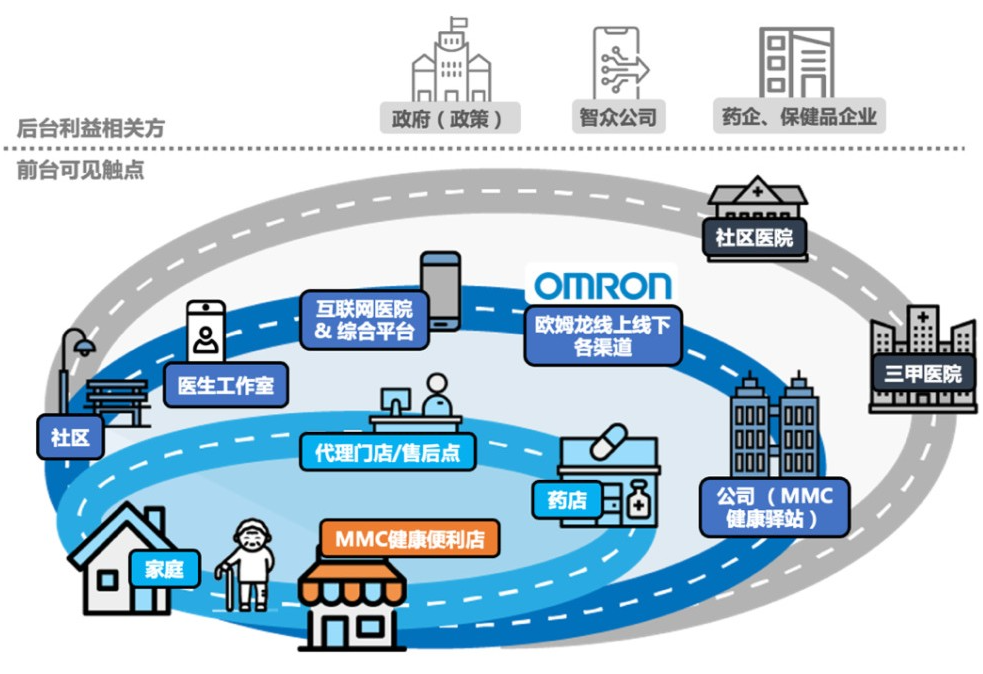
Understanding Stakeholder Dynamics
Effective chronic disease management relies on seamless collaboration among stakeholders.
CBi categorized stakeholders into three groups:
- Contributors: Pharmacies delivering chronic disease services and driving awareness.
- Knowledge Providers: Clinics offering advanced diagnostic and treatment options.
- Investors: Pharmaceutical companies funding store operations and expanding outreach.
This framework ensured that each stakeholder understood their role, responsibilities, and potential returns at different project stages.

Shifting from Product to User-Centric Thinking
CBi helped OMRON adopt a user-centric perspective, transforming its understanding of customers from abstract sales data into detailed personas.
Key User Insights
MMC store users are primarily from tier-two and below cities, with moderate health awareness. By mapping their lifestyles, decision-making processes, and information channels, OMRON identified ways to build meaningful relationships with this audience.
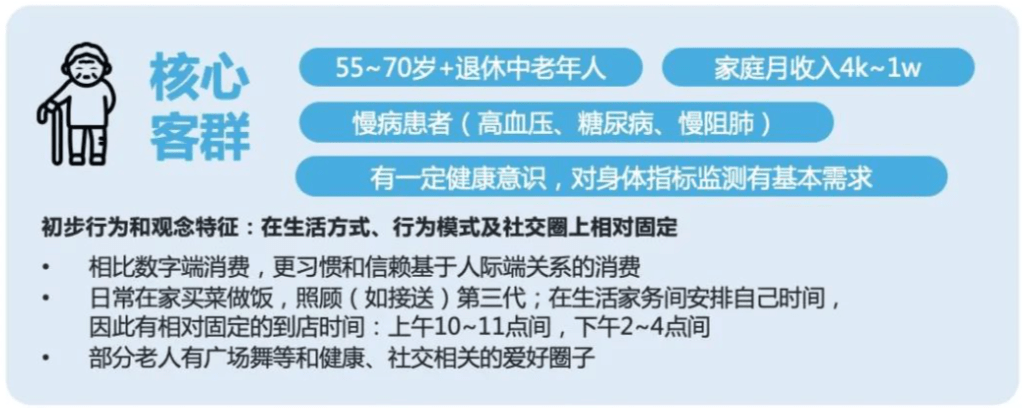
Immediate Next Steps
To revitalize existing MMC stores, CBi and OMRON focused on:
- Attracting traffic through awareness campaigns and pharmacy collaborations.
- Establishing service and experience standards for MMC stores.
- Integrating health data from stores and homes into a unified app interface.
- Connecting with clinics and online platforms to enhance referral networks.
05 Service Design Smooths the Path to Transformation
OMRON’s journey from selling products to delivering services illustrates the complexities of such a shift. Through its partnership with CBi, OMRON:
Resolved cross-departmental communication challenges.
Strengthened its vision for MMC stores and hubs.
Gained renewed confidence in achieving its chronic disease management goals.

06 Riding the Winds of Innovation
OMRON’s MMC Health Convenience Store was recognized on the 2022 Fortune China Best Design List for its groundbreaking impact on healthcare accessibility.
Fortune’s Selection Criteria
- Advancing business models with commercial potential.
- Addressing societal issues such as public health and equity.
- Helping users navigate the impact of rapid digital transformation.
- Advocating user-centric problem-solving through design thinking.
OMRON’s efforts to bring hospital-grade equipment into neighborhood pharmacies have made chronic disease monitoring accessible, enabling early prevention and intervention for millions of patients.

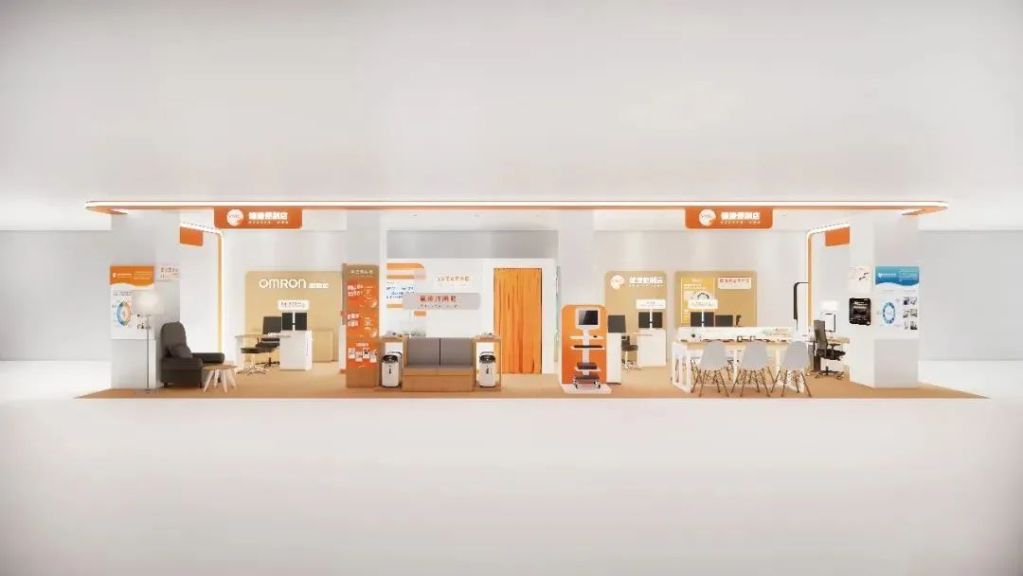
07 Connecting the Dots: From Products to Services
In Recent Years, the Shift from Selling Products to Selling Services Has Become a Major Trend Across Industries
Beyond traditional manufacturing giants like OMRON, numerous sectors—including electric vehicles, consumer electronics, and hospitality—are actively exploring their paths toward becoming service providers.
Service Isn’t Just About Adding Personnel or Improving After-Sales
Successfully transitioning to a service-oriented model requires:
- User-centricity
- Holistic thinking
- Stakeholder collaboration
- Inside-out transformation
- Continuous iteration
A misstep in any of these areas can derail the entire initiative.