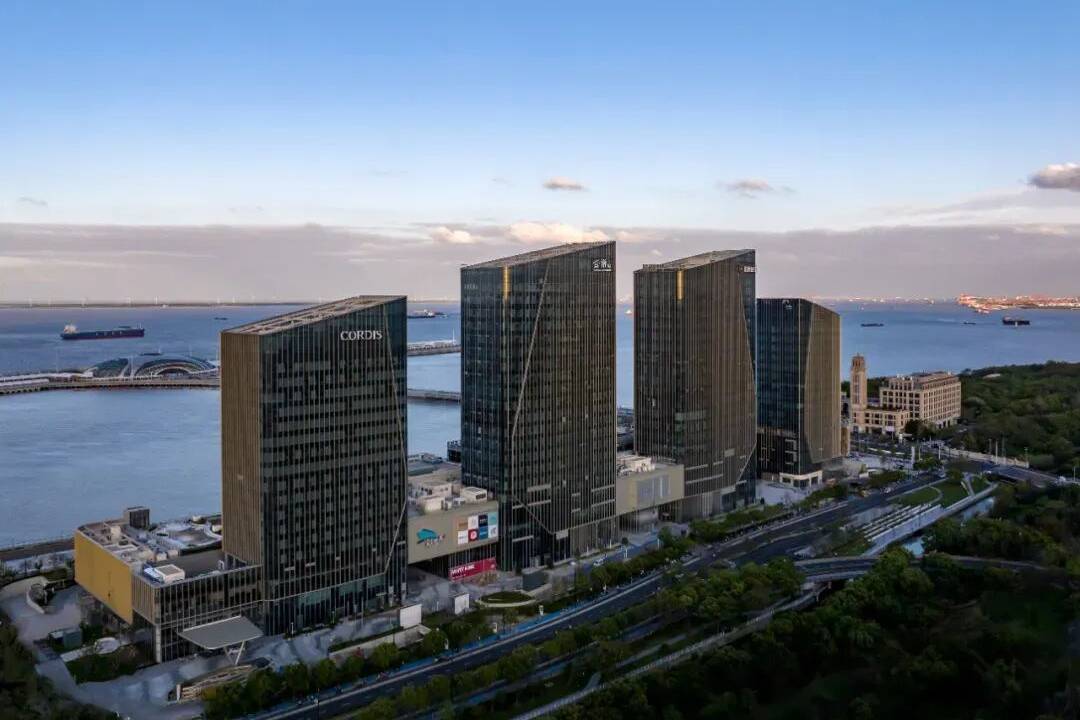
On April 9 in Taizhou, Zhejiang, Enze Medical Group, a leading local public Class A tertiary hospital group, joined hands with Fosun United, one of the leading players in China’s mid-tier medical insurance market, and Mijia Health, a pioneer in integrated medical-insurance service innovation, to officially launch a premium in-hospital service solution for commercial insurance users.
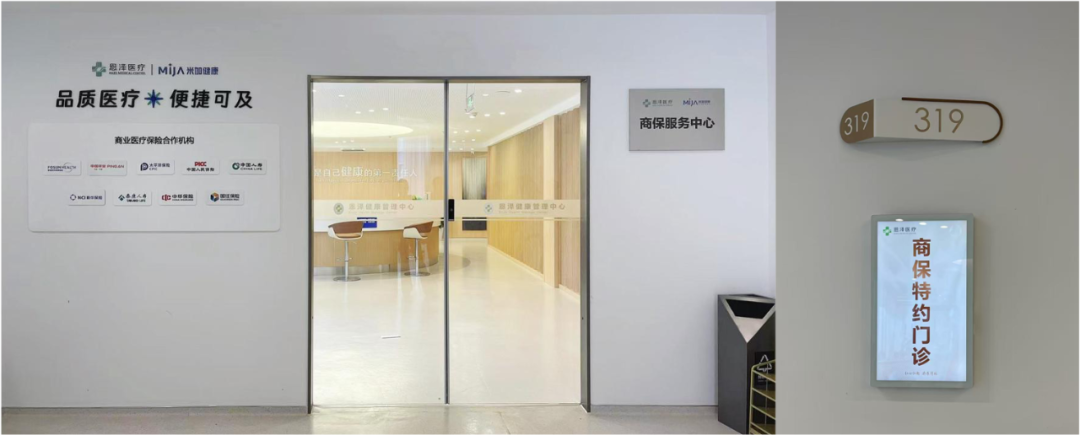
This initiative introduced the first commercial insurance service center within a public hospital, built around the value proposition of “quality healthcare, conveniently accessible.”
Its goal is to reshape the medical experience for commercial insurance users. The launch marks a major milestone in the evolution of medical-insurance integration: moving beyond payment empowerment and technology empowerment into a new stage of service empowerment and high-quality development.
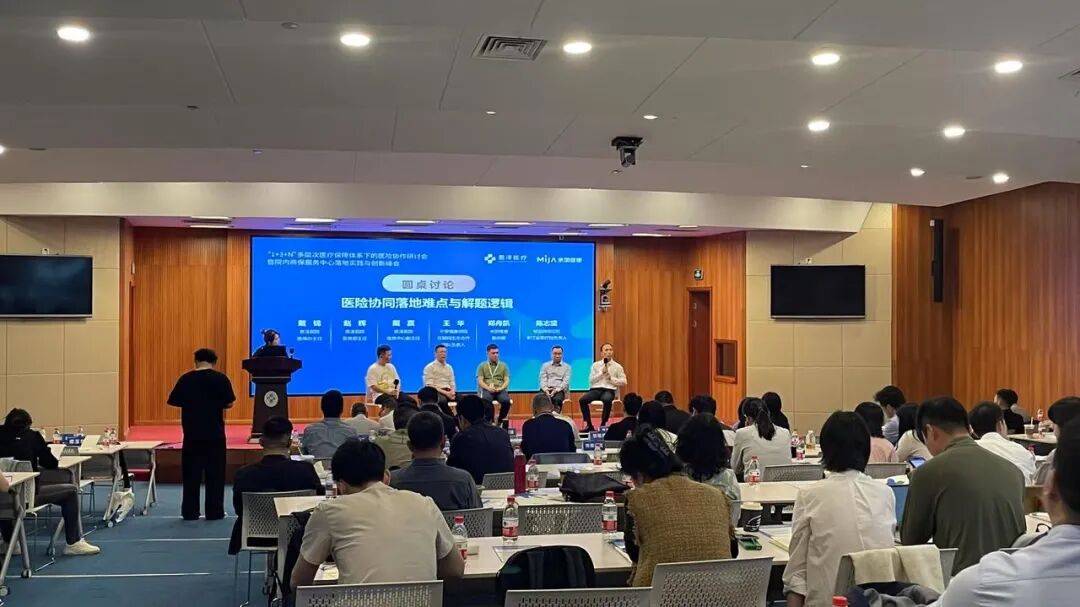
China Bridge was invited to witness the launch and share its approach to user research and service design.
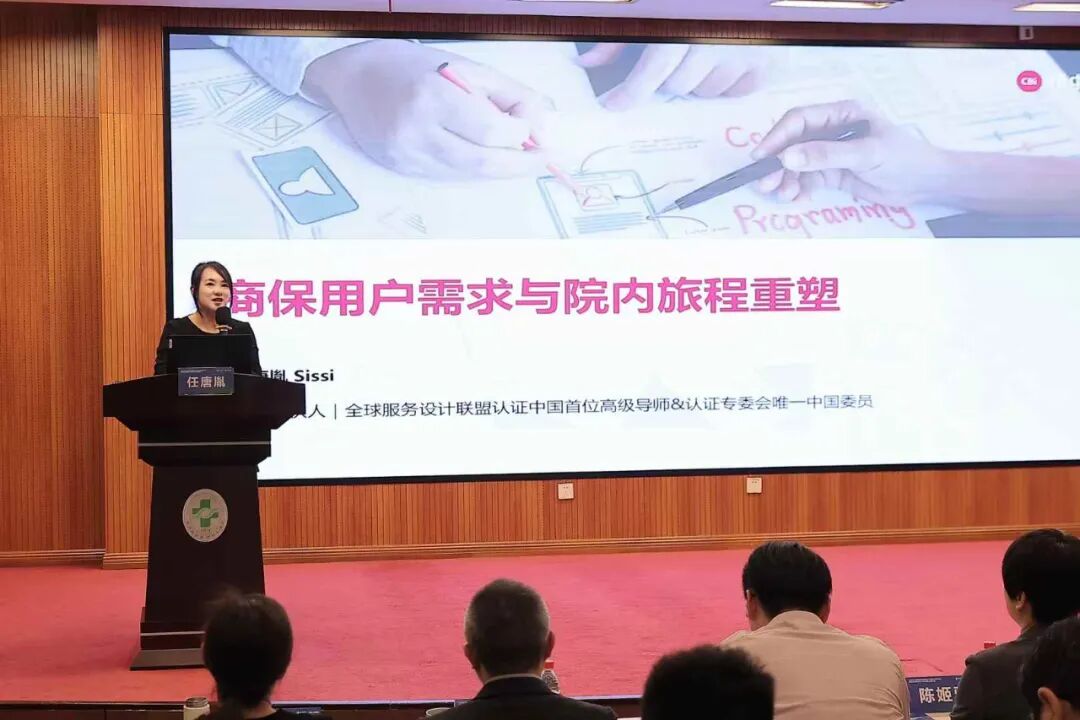
01 Identifying Needs and Addressing the Pain Points of Mid-Tier Medical Insurance Users
“Affordable inclusive medical insurance at the hundred-yuan level is not enough, while premium high-end medical insurance at the ten-thousand-yuan level is out of reach.”
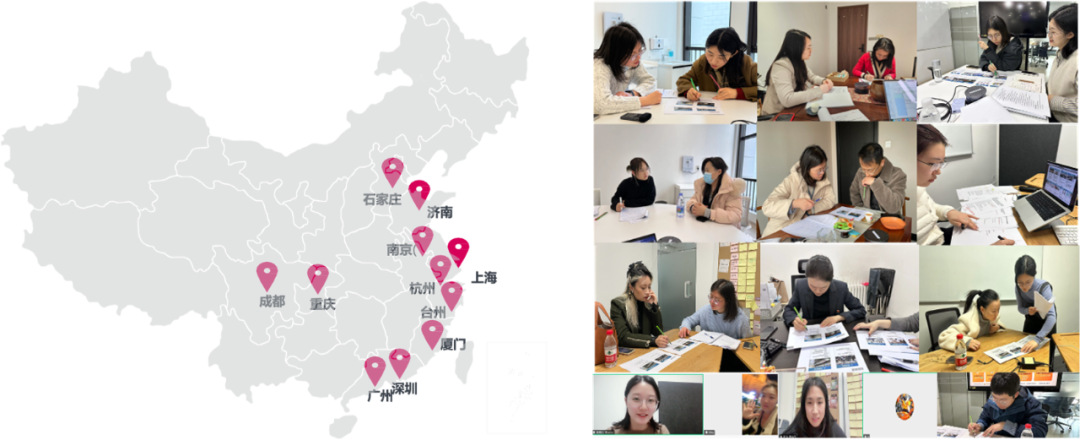
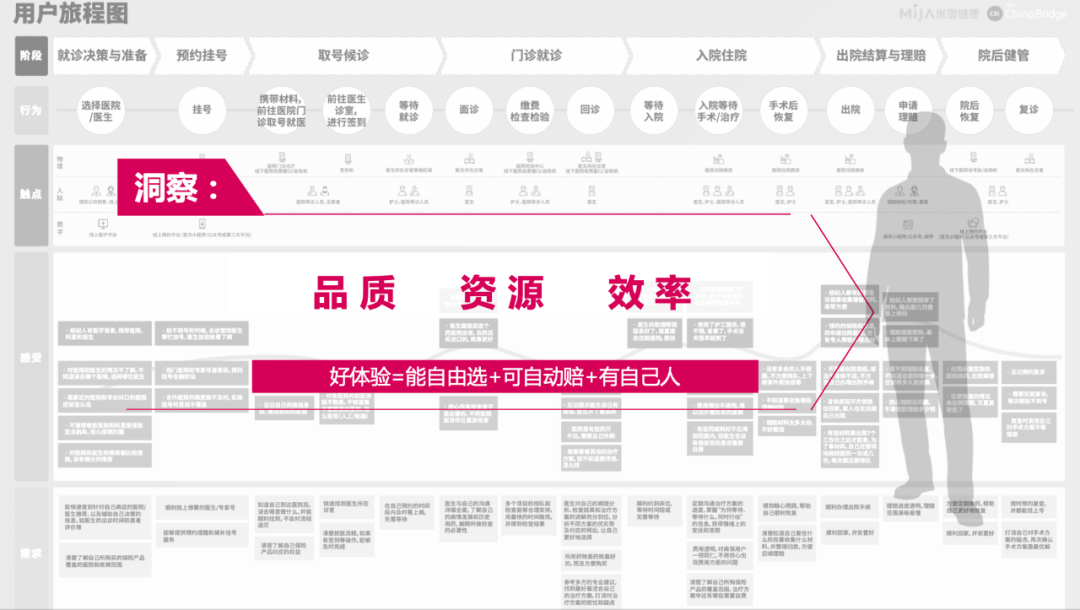
Through in-depth research across ten cities including Shanghai, Xiamen, and Chengdu, China Bridge found that mid-tier medical insurance users — those who spend thousands of yuan each year on health insurance premiums — are, in many ways, the most anxious group.
Most of them fit a similar profile: they are in the prime of life, carrying the responsibilities of supporting parents, raising children, and advancing their careers. They are reflective, quality-conscious, efficient, and pragmatic. They know all too well the frustrations of seeking medical care:
“Whether you have connections makes all the difference.”
“Going to the hospital means getting squeezed in crowds.”
“Only people with more money get to choose better care.”
What they want to know is this: beyond providing financial leverage, can commercial insurance services actually help resolve the urgent frustrations and practical bottlenecks people face during treatment and claims?
Their needs are highly practical: quality, access to resources, and efficiency.
02 A Disruptive Model for a Flagship Commercial Insurance Service
Change requires visionaries and co-creators — but it also requires doers and pioneers.
Built tightly around user needs, the version 1.0 in-hospital commercial insurance service model designed and developed by Mijia Health and China Bridge officially launched at Taizhou Enze Hospital.

| Solving the Problem of Access to Medical Resources
Many users struggle with questions such as:
Insurance policy terms are hard to understand, hard to remember, and hard to use.
Once they arrive at the hospital, they feel unsupported, anxious, and unable to explain their needs clearly.
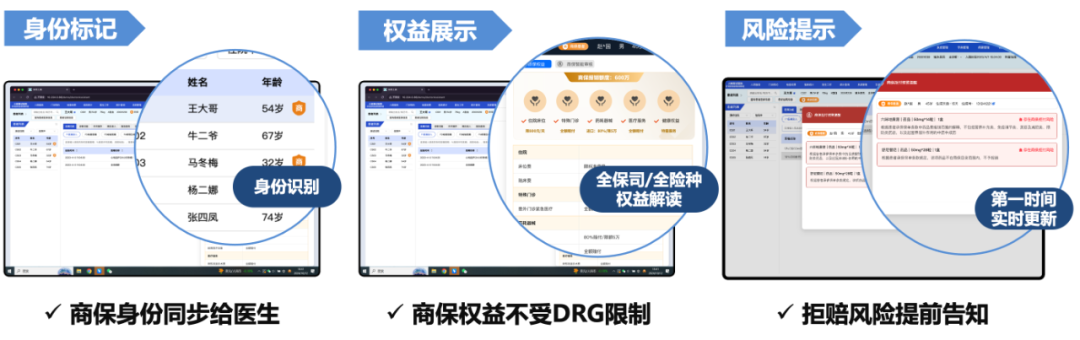
The solution needed to do two things at once: help commercial insurance users clearly understand and use their benefits, while also ensuring there were dedicated people in the hospital to support them throughout the process.
The shift is from relying on multiple “sources of money” to having multiple “people on your side.” A commercial insurance service center is stationed inside the hospital, while Mibao customer service provides end-to-end support. Through direct system integration, users receive full-cycle services spanning before, during, and after treatment, including policy benefit interpretation, guidance through hospital procedures, and hospitalization visits and care.
| Responding to Concerns About Quality of Care
Many imported drugs are not covered by public medical insurance. Users often think:
“I don’t want the doctor to decide based on cost. I want the best treatment possible.”
At the core is ensuring access to good doctors, good medicines, and good procedures.
This model does more than just “prescribe the right medicine.”
It also enables optimized treatment choices. By connecting directly to the physician platform operating system, the hospital can identify the user’s commercial insurance status and design treatment plans aligned with that user’s insurance benefits. This ensures access to high-quality medical resources in areas such as pharmaceuticals, surgery, and medical consumables.
| Improving Service Efficiency
Users often face long waits for consultations, tests, beds, and surgeries. They also face delays in claims documentation, submission, mailing, and review.
The goal is not only frictionless treatment, but also frictionless claims.
The shift is from relying on “personal connections” to relying on “a system that works.” Commercial insurance users are provided with VIP treatment channels to reduce the anxiety of waiting. Depending on user benefits, the system can also help coordinate bed resources and arrange more comfortable accommodations such as special care wards or single rooms.

The claims process is also transformed — from “reimbursement after discharge” to T+0 direct payment within the hospital. Through Mijia’s premium service offering, users can complete outpatient and discharge settlement through a convenient one-stop online claims process.
To learn more about the service highlights, readers are invited to watch the video and unlock the full ideal journey designed for commercial insurance users.
03 A People-Centered New Chapter in Medical-Insurance Integration
Designing Care into Healthcare
China Bridge believes that the future of medical-insurance integration lies in user-centered empowerment and care across the entire journey and every scenario.
The in-hospital commercial insurance service center co-created by Enze and Mijia is not only an official declaration of a new model for medical-insurance integration. It is also an experience reconstruction grounded in a return to the user and a true people-centered perspective.
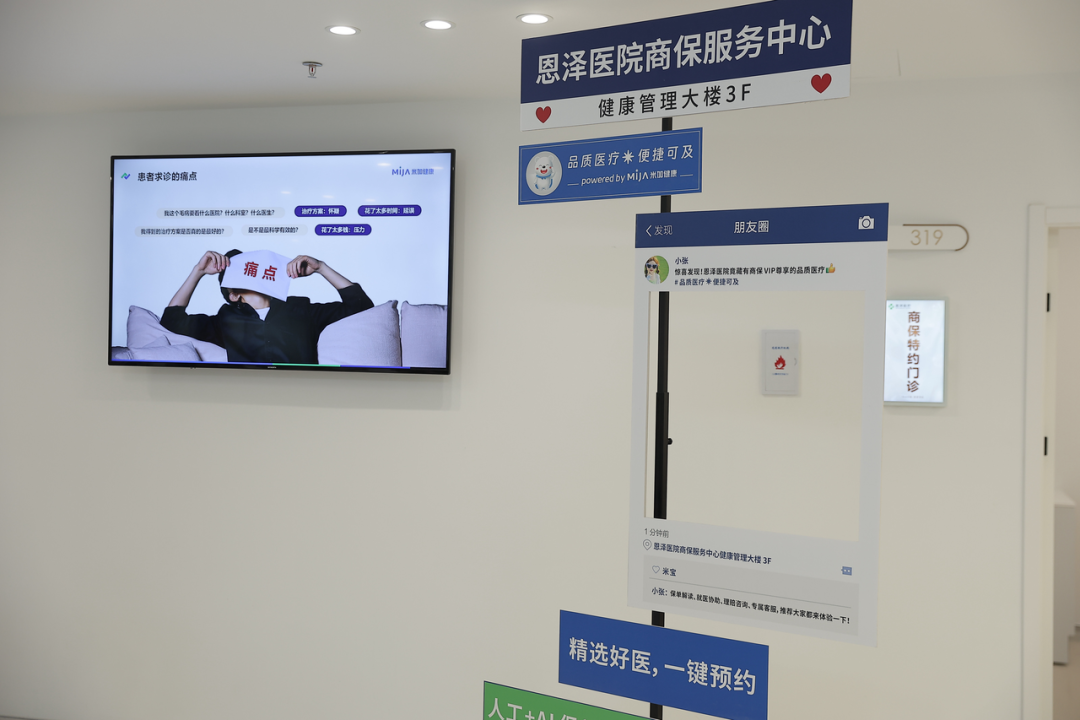
Building on version 1.0, China Bridge will continue to support the refinement and deepening of the solution, helping the service blueprint of “quality healthcare, conveniently accessible” reach society faster and more steadily.
We designed it, witnessed it, and ultimately, as members of the broader public, we will also benefit from it.
▼