01
Have you heard of United Family Healthcare (UFH)?
It’s a top-tier private hospital favored by numerous celebrities.
It was the first non-public healthcare institution in China to introduce the Da Vinci Surgical System.
It is also the first healthcare organization in the country to adopt and implement service design methodology across its entire workforce.
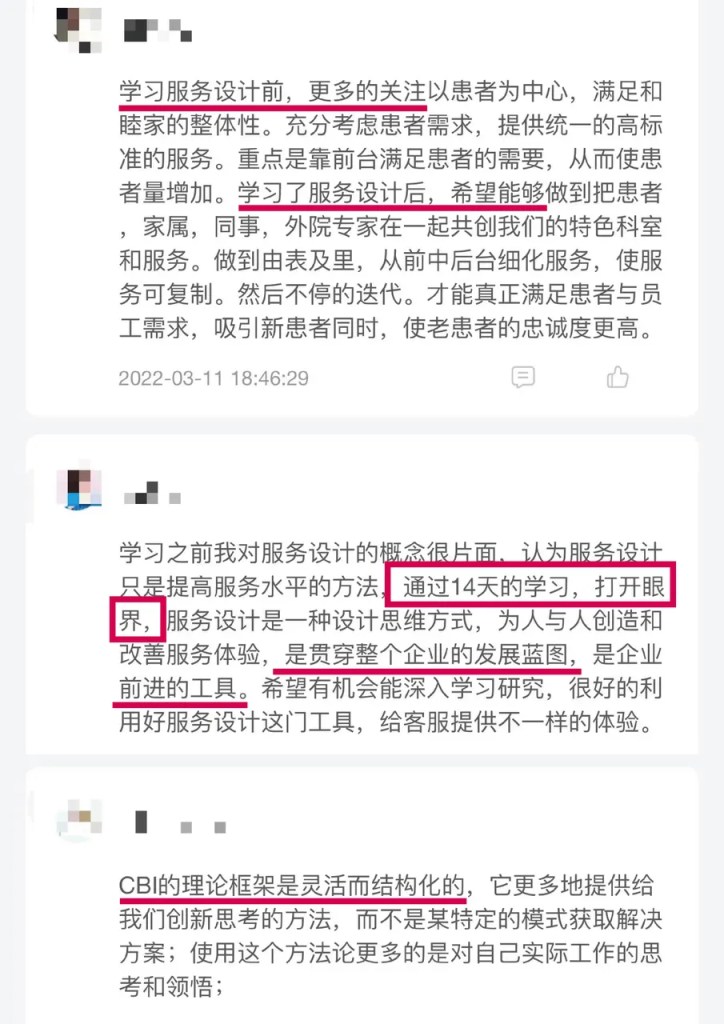
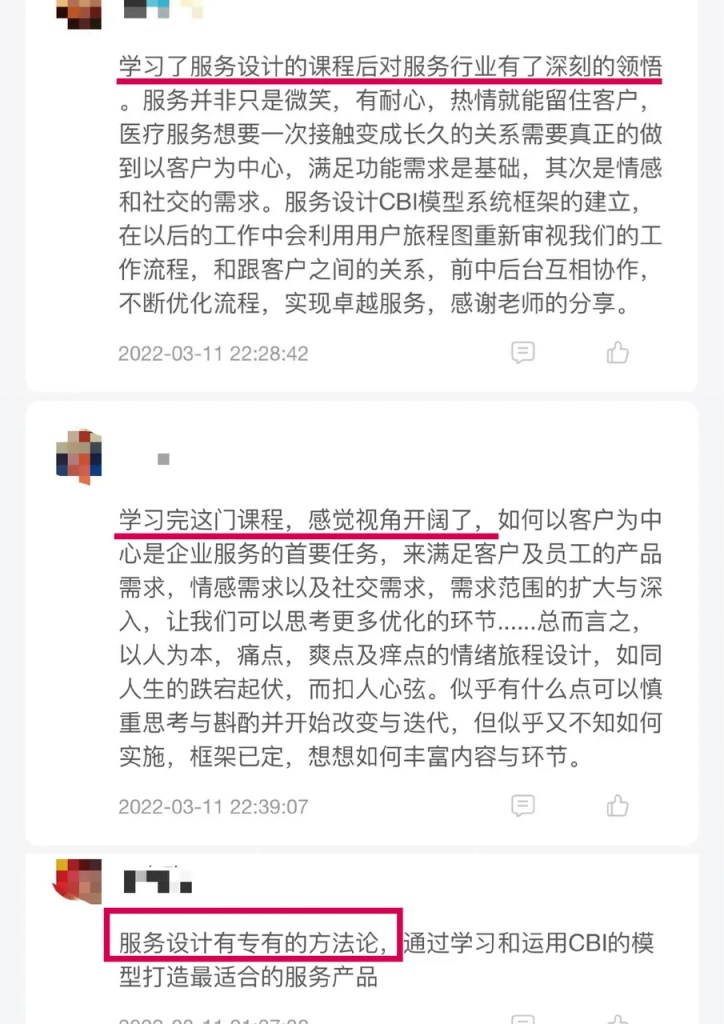
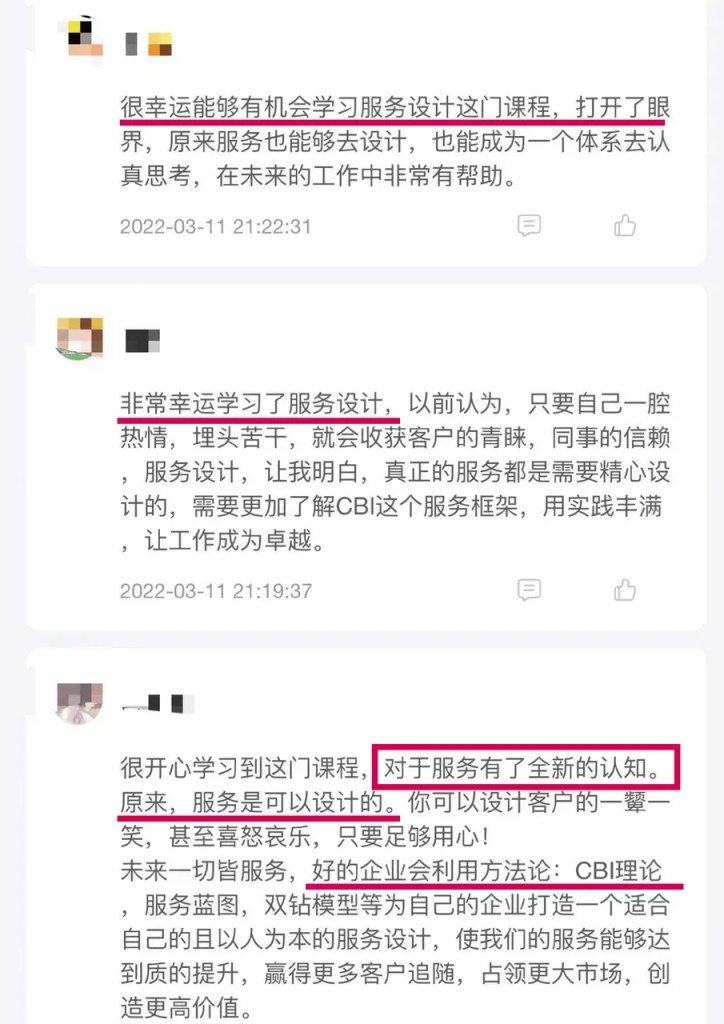
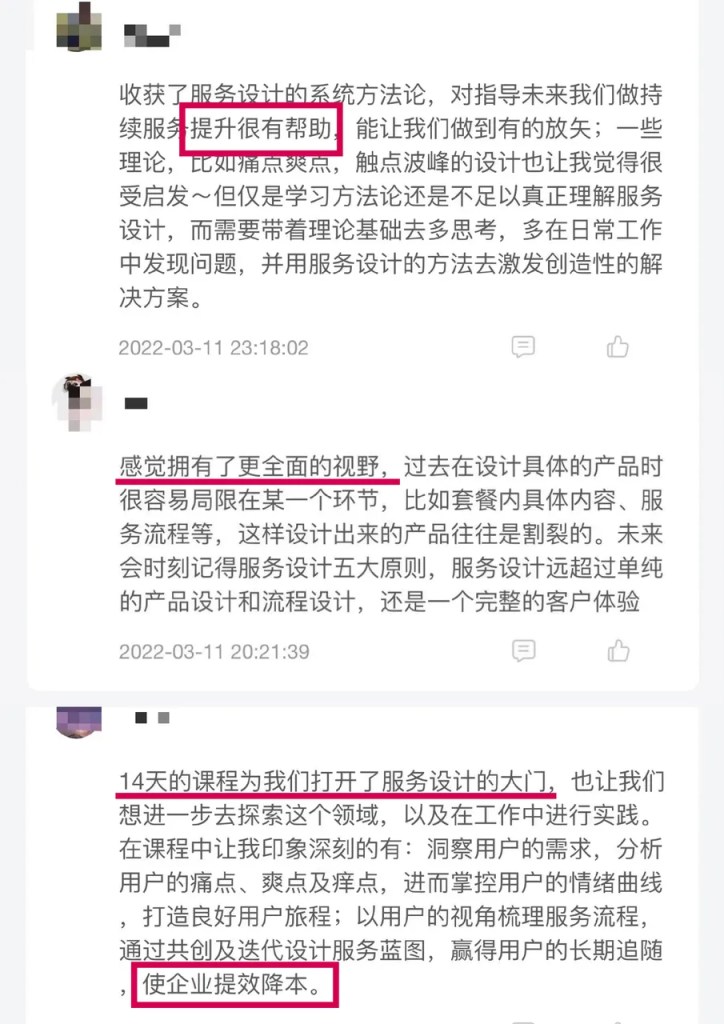
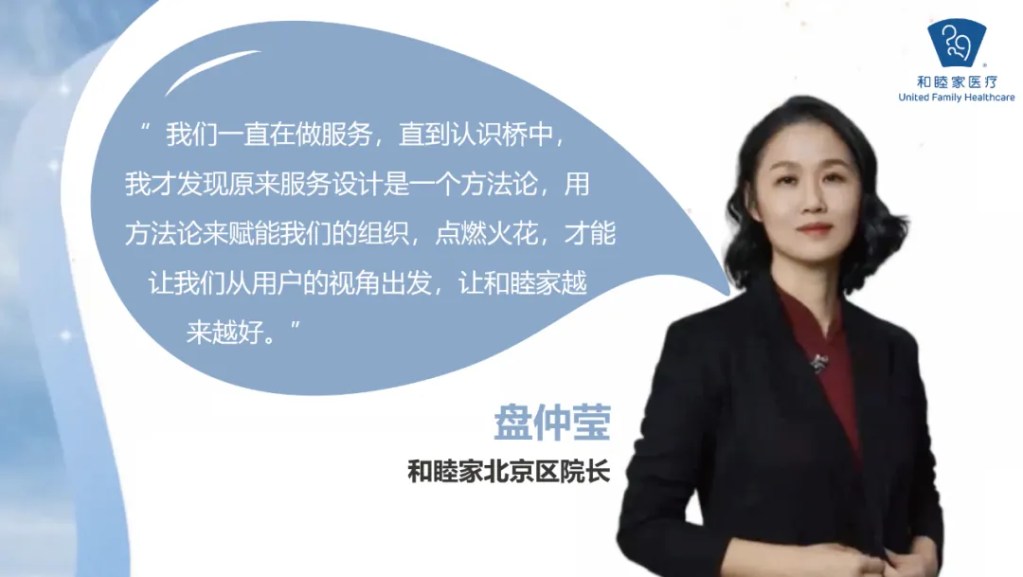
“We’ve always been delivering services. But until we met CBi, we didn’t realize that service design is a methodology. Using it to empower our organization and ignite innovation enables us to truly view our operations from the users’ perspective, making United Family better than ever,” said Dr. Pan Zhongying, Beijing Regional CEO of UFH.
Even with strong leadership recognition, transformation doesn’t happen with a snap of the fingers. Initially, there was resistance to this project:
- “Service is service—what does design have to do with it?”
- “We’re already busy managing the pandemic; how do we have time for this?”
- “Does this really require such a comprehensive effort involving so many departments?”

02
- Why: Why should our company adopt service design?
- What: Where should we start with service design?
- How: How do we ensure service design is implemented effectively?
Let’s take a look at a UFH internal announcement:
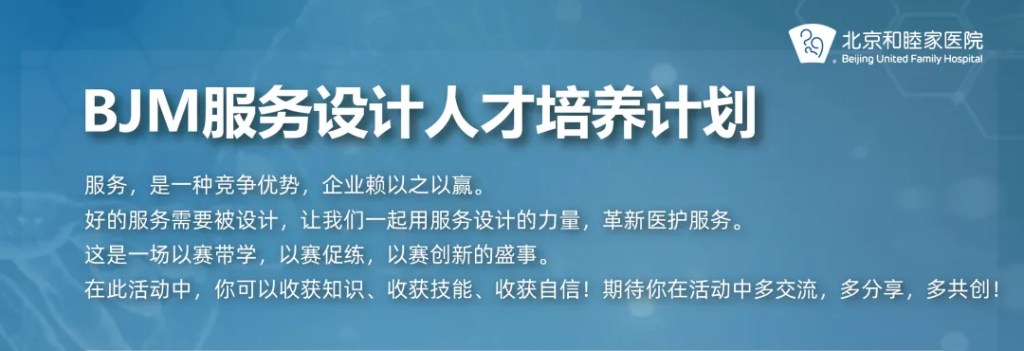
“Service is a competitive advantage and a lifeline for enterprises. Great services need to be designed. Let’s leverage the power of service design to revolutionize healthcare services.”
“This is an event that combines learning, practice, and innovation through competition.”
For many, this may strike a chord, sparking the desire to lead a “service design-driven revolution” within their own organizations.
Today, we’ll explore UFH’s case to analyze the “Three Challenges and Two Solutions” for implementing service design in a large organization, providing structured insights for corporate leaders and executives.
03
Challenge 1: Lack of Consensus
First, the core leadership team must have the determination and courage to drive this process.
Service design requires transformational leadership. During this change, the strategic vision, determination, and resource commitment of top leadership are critical to success.
Leaders need to align their teams on the Why, What, and How of service design to ensure a clear and unwavering consensus on the future service transformation strategy. This includes understanding industry pain points and trends, defining the company’s role, and planning for growth.
At UFH, leadership demonstrated this commitment:
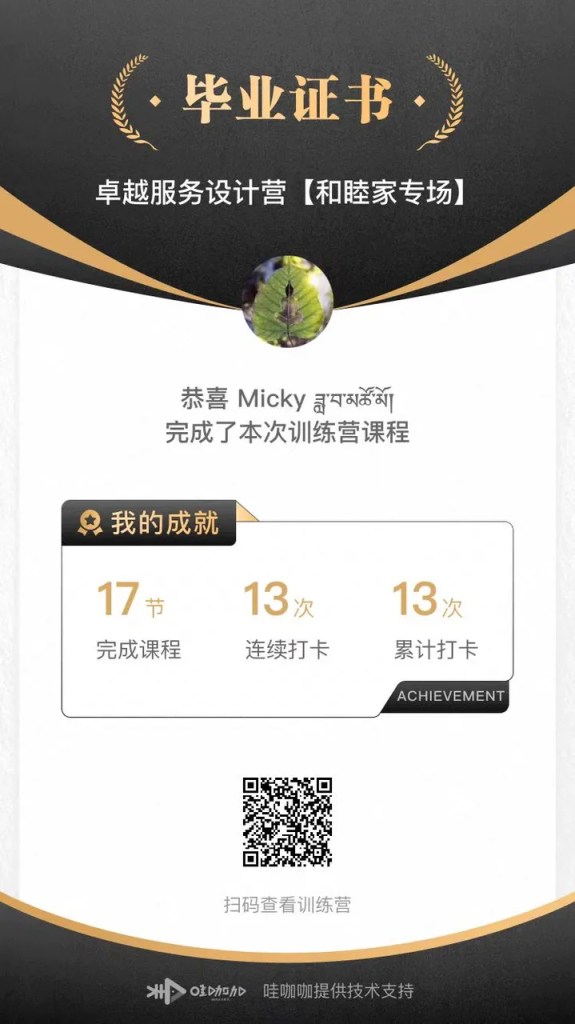
- 50 participants were initially invited (but enthusiasm led to 57 actual participants).
- 100% completion rate over 14 days.
- After the course, a service micro-design competition was launched internally to identify high-potential talent, providing them with additional resources, such as:
- Becoming internal service design ambassadors.
- Having their projects promoted across UFH Beijing facilities.
- Winning projects receiving entry into advanced talent pools (click for details).
- Advanced participants being eligible for dual accreditation in service design (click for details).
- Participation in enterprise-level service design projects.
04
Challenge 2: Talent Scarcity
Service design talent is often hard to recruit, retain, and utilize effectively.
The root issue lies in the lack of service design talent who understand both business and design. While businesses have experts in their domains and skilled designers, they lack professionals who bridge the two.
Service design is an academic discipline with many graduates entering the workforce each year, but they often struggle to find suitable roles. CBi believes cultivating “bridge professionals” is crucial.
During transformation, resistance and adaptation challenges are inevitable. While some companies recruit external Chief Experience Officers to lead service design initiatives, this can be arduous. Instead, cultivating internal talent with service design thinking is key.
CBi, true to its name, has aimed to be a bridge between design and business, design and social innovation since its inception.
Our Service Design Dual Accreditation Program is the first of its kind, serving as a bridge for evaluating service design talent in China and internationally. Our goal is to empower 100 leading enterprises and create opportunities for a million professionals in the service design era.
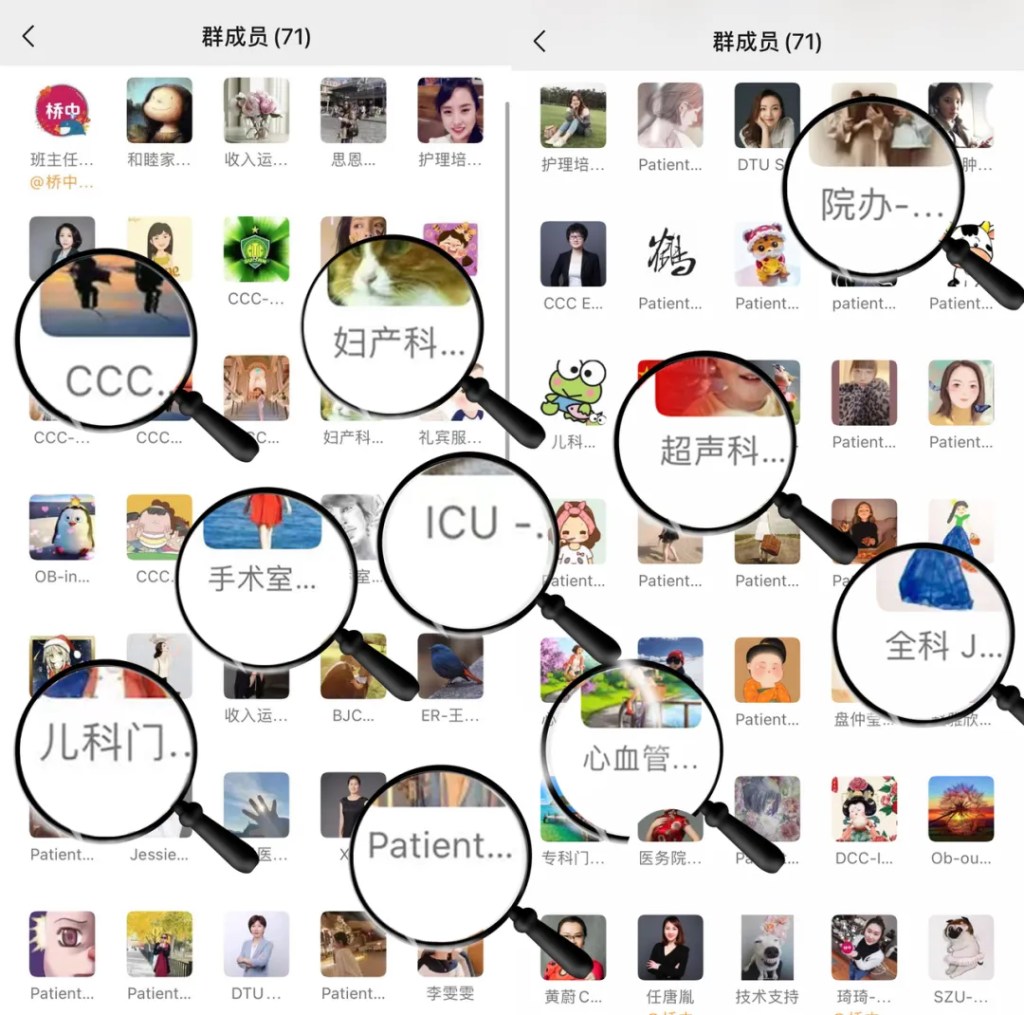
At UFH, these “bridge professionals” emerged from key departments, including operations, talent development, general medicine, obstetrics, pediatrics, nursing, ICU, radiology, and patient care. These cross-departmental leaders listened to each other’s perspectives and focused on future changes, driving dialogue and reform as the organization’s seeds of transformation.
05
Challenge 3: Implementation Barriers
Organizational silos are a major obstacle to service design implementation. Breaking down these barriers and ensuring employees are equipped to meet the demands of the service economy is essential for success.
When service design becomes the organization’s shared language, it enables teams to dismantle silos, align operations, and foster collaboration. This cultural shift helps organizations adopt customer-centricity and co-creation as their core values.
At UFH, leadership prioritized this transformation:
- Initiatives were led by the CEO, supported by the COO and CMO, with oversight from the Talent Development Center.
- A Customer Committee was established.
- Programs such as the Service Design Pioneer Talent Development Program and the UFH Enterprise-Level Service Design Plan were introduced.
When service design becomes embedded as a mechanism, it takes root and flourishes within the organization.



06
Solution 1: Practical Application and Quick Wins
To make service design impactful, participants need to see immediate results and tangible outcomes—this is the essence of “quick wins.”
Service design must be applied to practical, real-world contexts and tied directly to specific business entry points. On one hand, it is essential to strategically determine the right starting point; on the other, it’s crucial to pace each stage appropriately. Avoid the temptation to strive for excessive professionalism or perfection at the outset.
Remember: Service design is not a one-off process; it’s a continuous cycle of iteration and reconstruction.
“Service design can be applied on both large and small scales. With a clear methodology, anyone can innovate incrementally in their work, and it has a profound impact on my future projects.” — Competition Winner
Pay attention to the term “micro” in the Service Micro-Innovation Competition—small changes can build into significant transformations, creating outstanding experiences.
UFH’s Approach:
Here are some highlights from the Service Excellence Micro-Innovation Competition—a sneak peek, just for you:
- The Coffee Cup Innovation: This creative touchpoint not only optimized interactions with customers but also enhanced brand impressions. It shared knowledge with patients, encouraged action, and amplified brand visibility.
- Simplified Processes: Incorporating trends in family healthcare and personalized services, micro-innovations included initiatives such as:
- Customized health check-ups led by family doctors.
- Digital enhancements to improve outpatient efficiency.
- Streamlined processes for HPV vaccine appointments and administration.
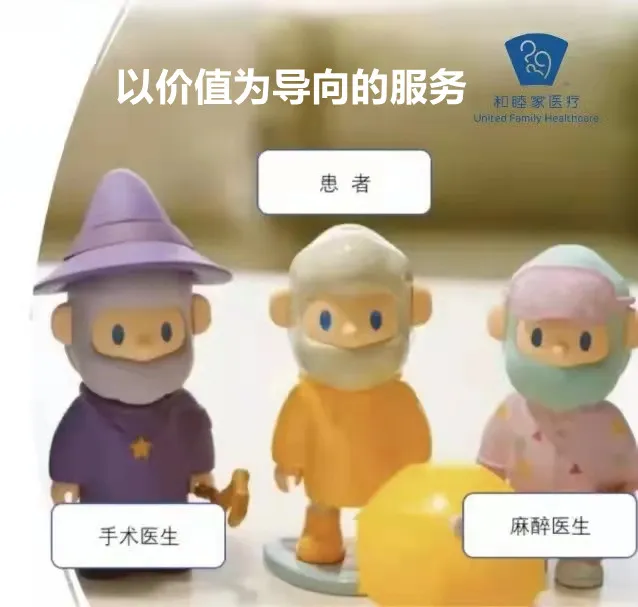
- Value-Driven Healthcare Services: Additional services were introduced at various stages of patient care, advocating for a value-oriented approach to healthcare. Micro-innovations included improvements in ultrasound waiting times, pediatric consultations, departmental guidance, and gift shop services.
These “micro” efforts demonstrate how small-scale innovations can collectively lead to significant organizational improvements and enriched user experiences.

07
Solution 2: Two Spaces – Physical and Psychological
For quick wins, having a methodology is not enough; creating both physical and psychological spaces is essential.
- Physical Space: Foster openness, equality, and the potential for cross-departmental collaboration.
- Psychological Space: Inspire creativity by providing a safe and trusting environment that encourages experimentation, tolerates mistakes, and nurtures innovation.
These spaces promote equality and diversity among employees, maximizing the exchange of knowledge, resources, and capabilities, and enabling breakthrough innovations.
UFH’s Approach:
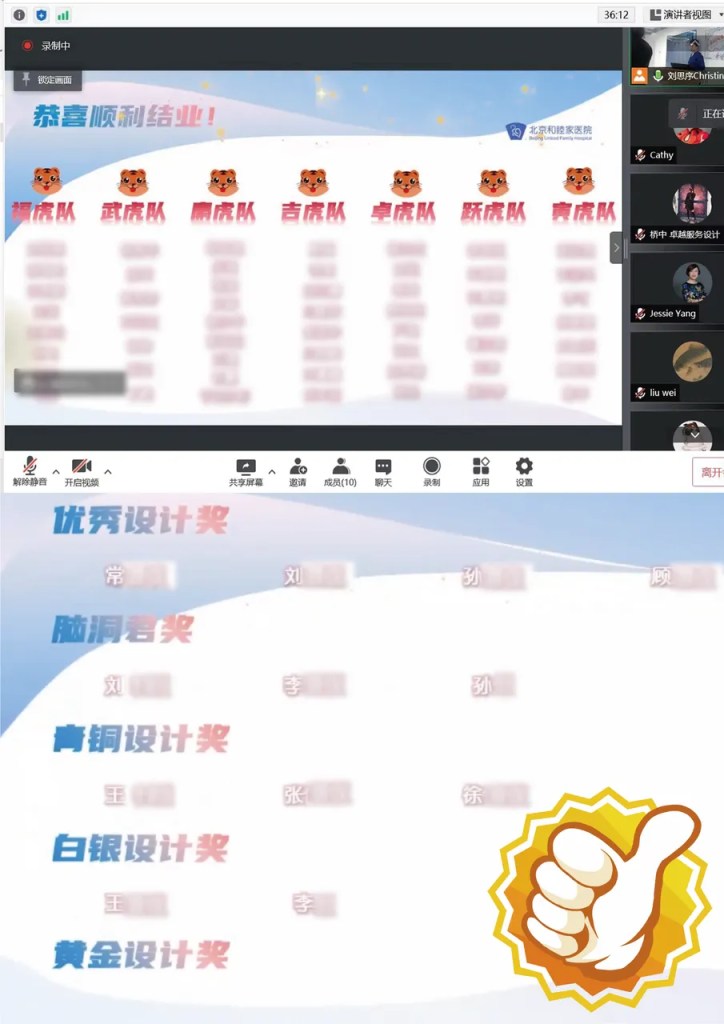
The Service Excellence Micro-Design Competition was launched with 7 teams competing for 5 awards. An online training camp and virtual space broke through the established internal organizational structures, creating opportunities for cross-departmental listening and co-creation.
Top management gave high priority to the initiative, dedicating time for focused learning. The event was rich with ceremony, featuring trophies, certificates, and rewards, motivating everyone to roll up their sleeves and put ideas into practice immediately!

08
What Makes UFH’s Course Special?
Let’s take a closer look!
Service Excellence Bootcamp – The CBI Model
38 Key Takeaways | 107 Knowledge Modules | 36 Quick Assessments
- C Module: Evaluate your organization with 5 user-centered standards, analyze your typical users with 5 key factors and 3 layers of user needs, and learn how to win their loyalty.
- B Module: Understand user journeys through three touchpoints to identify needs, make strategic decisions, and refine branding, ensuring a cohesive brand experience and building strong brand DNA.
- I Module: Use the service blueprint’s five points and three lines to navigate the co-creation and iteration cycle, enabling scalable experience replication and organizational transformation.
CBI is not just a theoretical framework; it’s the abbreviation of China Bridge International (CBI). In 2009, CBI introduced European service design theories to China. After over a decade of localized practice and adaptation, it developed its own proprietary methodology: the CBI Model.
This integrated business thinking system combines marketing, management, and design, providing a comprehensive approach to service design. Mastering this method enables organizations to seize opportunities in the service economy, driving breakthroughs and growth.
The CBI Model leaves a lasting impression and proves to be indispensable. Let’s hear from the service design bridge talents in UFH’s healthcare sector about their experiences with CBI…